
Desserts
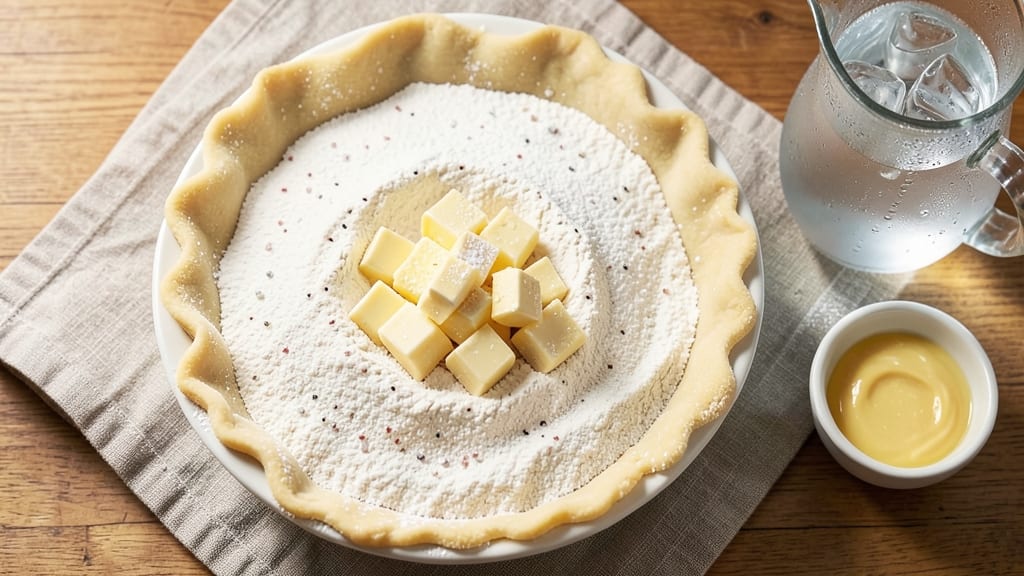
Alton Brown's pie crust recipe delivers the shatterproof, golden-brown perfection that separates home bakers from the pros. The two-butter technique—where cold butter creates flaky layers while melted butter adds richness—is what transforms ordinary crusts into restaurant-quality masterpieces. I’ve tested countless variations, and this method consistently delivers the crispness and structure that make every slice worth savoring.
What sets this crust apart is the precision in technique: chilling the dough at every stage prevents shrinking, while proper rolling and venting ensure even baking. The result is a crust that holds its shape under even the heaviest fillings—think pumpkin or apple—while maintaining that signature flakiness.
This isn’t just a crust; it’s the foundation for desserts that taste like they came from a bakery.
The secret lies in the butter: using both cold and melted ensures layers that are crisp yet tender, with a buttery aroma that fills your kitchen. No more soggy bottoms or tough edges—just a flawless crust that’s sturdy enough for lattice tops or deep-dish pies.
Whether you’re a beginner or a seasoned baker, this method delivers professional results every time.
Pair it with a classic filling, and you’ve got a dessert that’s as impressive as it is delicious. Let’s get started on the crust that will change how you bake forever.
Ingredients for alton brown pie crust
Precision ingredients for Alton Brown's legendary two-butter pie crust technique.
| Ingredient | Amount | Notes |
|---|---|---|
| All-Purpose Flour 🌾 | 3 cups | Unbleached preferred for texture |
| Unsalted Butter (Cold, Cubed) 🧈 | 1 cup | European-style preferred |
| Unsalted Butter (Melted) 🧈 | ½ cup | Cooled to room temperature |
| Ice Water 💧 | ½ cup | Chilled thoroughly |
| Diamond Crystal Kosher Salt 🧂 | ½ tsp | Fine grain preferred |
| Granulated Sugar 🍚 | 1 tbsp | For dough stability |
| Large Egg Yolk 🥚 | 1 whole | For binding |
| Vanilla Extract 🌿 | ½ tsp | Pure, not imitation |
| Cornstarch 🌾 | 1 tbsp | For rolling surface |
| Coarse Sugar (Optional) 🍚 | 2 tbsp | For sprinkling top |
The butter selection is non-negotiable for this crust. European-style unsalted butter with at least 82% fat content yields superior flakiness due to its higher fat-to-water ratio. Plugrá or Kerrygold are my go-to brands, but any high-quality European butter works. Chill the cold butter cubes for at least 30 minutes before mixing to maintain proper layering. The melted butter should be cooled to room temperature but remain liquid—this ensures even distribution without melting the cold butter prematurely. For the flour, King Arthur or Gold Medal brands are ideal due to their consistent protein content, which balances gluten development and tenderness.
No European butter? High-fat American brands like Land O’Lakes or Organic Valley work in a pinch, though the texture will be slightly less refined. The ice water is critical—use distilled or filtered water if your tap water has strong mineral content, as it can interfere with gluten formation. For the egg yolk, pasteurized eggs are safe for those avoiding raw eggs, though fresh yolks provide superior binding. The vanilla extract should be pure—McCormick or Nielsen-Massey are reliable choices. Substituting the sugar with powdered sugar alters the dough's stability, so granulated is essential for proper texture. If you're baking in a humid climate, add an extra 0.25 cup flour to prevent stickiness during handling.
Store the dough between parchment paper in an airtight container in the refrigerator for up to 3 days or freeze for up to 3 months by wrapping tightly in plastic. For best results, let the dough rest at room temperature for 15-20 minutes before rolling to prevent cracking. The crust can be pre-baked for 12-15 minutes at 375°F (190°C) before adding filling to ensure structural integrity. Any unused dough can be re-rolled and baked as a tart shell—simply brush with melted butter and bake until golden.
Why You'll Love This Recipe
- I’ll be real: this crust comes together with just four ingredients—flour, cold butter cubes, ice water, and salt. No food processor, no overworking the dough, just a fork and a bowl. Honestly, it’s the kind of recipe that makes me feel like a baking genius without the stress.
- No-Fuss Assembly: I’ll be real: this crust comes together with just four ingredients—flour, cold butter cubes, ice water, and salt. No food processor, no overworking the dough, just a fork and a bowl. Honestly, it’s the kind of recipe that makes me feel like a baking genius without the stress.
- Buttery Crunch Perfection: That double butter trick—cold cubes and melted butter—gives you the flakiest layers and a buttery richness that’s hard to beat. The ice water keeps it tender, but the salt? It makes every bite taste like a bakery secret.
- Endless Crust Possibilities: Use it for pies, hand pies, or even as a crispy tart shell—this dough is my go-to for anything that needs a sturdy, flavorful base. (Yes, even on a Tuesday night.) And because it’s so simple, I can make a double batch and freeze half for later.
Step-by-step instructions for alton brown's two-butter pie crust
Mastering this technique yields a crust with unmatched flakiness and structural integrity—here's how to execute it flawlessly.
Combine Dry Ingredients and Cold Butter
In a large mixing bowl, whisk together the 3 cups all-purpose flour, 1 tablespoon granulated sugar, and 0.5 teaspoon diamond crystal kosher salt until evenly distributed. This ensures uniform flavor and texture throughout the dough. Add the 1 cup unsalted butter (cold, cubed) and use a pastry cutter or your fingers to work it into the flour mixture until the mixture resembles coarse crumbs with pea-sized butter pieces remaining.
The key here is maintaining cold temperatures—if the butter begins to soften prematurely, place the bowl in the refrigerator for 5-10 minutes to restore proper consistency. You're aiming for a texture that holds its shape when pressed but still allows for even distribution when rolled out later. European-style butter works best here due to its higher fat content, which contributes to the signature flakiness.
Incorporate Wet Ingredients and Form the Dough
Create a well in the center of your dry mixture and add the 1 whole large egg yolk, 0.5 teaspoon vanilla extract, and 0.5 cup ice water. Using a fork or dough scraper, gently combine these ingredients until the mixture just begins to come together. Avoid overmixing—you want to preserve the layered structure that creates flakiness.
Once the dough starts to form, turn it out onto a lightly floured surface and knead it 4-5 times just until it holds together. The dough should be cool to the touch and slightly tacky but not sticky. If it's too dry, add 1 teaspoon ice water at a time until it reaches the proper consistency. Wrap the dough in plastic wrap and refrigerate for at least 1 hour to allow the gluten to relax and the butter to firm up further.
Prepare the Melted Butter Mixture
While the dough rests, melt the 0.5 cup unsalted butter (melted) in a small saucepan over low heat until completely liquid. Remove from heat and stir in 1 tablespoon cornstarch. This mixture will serve as the binding agent that creates the signature shatterproof quality when combined with the chilled dough later.
The cornstarch acts as a stabilizer, preventing the butter from separating and ensuring a smooth, cohesive crust. Let this mixture cool to room temperature before proceeding—this prevents the dough from becoming too soft when combined. The melted butter mixture should be thick enough to coat the back of a spoon but still pourable.
Assemble and Roll Out the Crust
Remove the chilled dough from the refrigerator and divide it into two equal portions. On a lightly floured surface, roll out one portion into a 12-inch circle, about 1/8-inch thick. Brush the surface generously with half of the cooled melted butter mixture, then sprinkle with 1 tablespoon coarse sugar (optional) if using. Repeat with the second portion of dough.
This layering technique is what creates the legendary flakiness. The cold butter in the dough will create steam pockets when baked, while the melted butter mixture adds an extra layer of richness and structural integrity. Work quickly but carefully to avoid warming the dough—keep your rolling pin chilled in the freezer if needed.
Blind Bake for Perfect Results
Transfer one of the rolled-out dough circles to a 9-inch pie dish, gently pressing it into the bottom and up the sides. Trim any excess dough, leaving about 1/2-inch overhang. Line the crust with parchment paper, fill it with pie weights or dried beans, and bake at 375°F for 15 minutes. Remove the weights and bake for an additional 10-15 minutes until the edges are golden brown and the crust is set.
The blind baking ensures your pie filling won't cause a soggy bottom. For a fully pre-baked crust, bake the second portion similarly and store it at room temperature until ready to use. The crust should hold its shape when tapped lightly and have a deep golden color. This two-butter technique creates a crust that's both shatterproof and deliciously flaky—perfect for any pie filling you choose to pair with it.
Pro Tips For Making Alton Brown Pie Crust
- Cut Butter Like Ice: Use a bench scraper or sharp knife to slice the cold butter into tiny cubes—think rice grains, not dice. I learned this the hard way after struggling to mix dough with butter chunks that refused to emulsify. Smaller pieces blend faster and create a flakier crust.
- Salt the Water: Dissolve the kosher salt directly in the ice water before adding it to the flour-butter mix. This ensures even distribution—no clumpy, salty pockets in your crust. (Yes, even if you’re impatient like me, this step matters.)
- Skip the Overmixing: Once the dough comes together, stop mixing the second it holds. Overworking it develops gluten, and your crust will turn tough instead of tender. Press it into a disk, wrap it, and chill—no need to knead like bread dough.
- Brush with Cold Butter: After rolling the crust, brush the bottom and sides with cold melted butter (not hot) before adding filling. The cold butter solidifies quickly, locking in moisture and creating that signature flaky layer. (Your future self will thank you.)
Flavor customization for this alton brown pie crust
Sweet Butter Infusion
For a richer, caramelized crust, replace the 1 tablespoon granulated sugar with 2 tablespoons brown sugar and add 1 teaspoon cinnamon to the dry ingredients. The brown sugar adds moisture and depth, while cinnamon enhances warmth—ideal for apple or pumpkin pies.
Brush the baked crust with 2 tablespoons melted butter mixed with 1 teaspoon honey before adding filling for a glossy, aromatic finish. 🍯
Herb-Infused Crust
Swap the vanilla extract for 1 tablespoon finely chopped fresh rosemary or thyme and reduce the ice water to 0.4 cup. The herbs add earthy complexity that pairs beautifully with savory fillings like chicken pot pie or rhubarb.
For a stronger flavor, infuse 0.25 cup melted butter with 1 teaspoon dried herbs before mixing into the dough. Let the butter cool completely to preserve the herb oils. 🌿
Spiced Chai Crust
Transform your crust into a chai-inspired masterpiece by adding 1 teaspoon ground cardamom, 0.5 teaspoon ground ginger, and 0.25 teaspoon ground cloves to the dry ingredients. Replace the vanilla with 1 teaspoon chai spice blend (or mix your own).
This aromatic twist works exceptionally well with spiced apple or pear fillings. For extra decadence, brush the baked crust with 1 tablespoon melted ghee before adding filling. ✨
Citrus Zest Boost
Brighten your crust with 1 tablespoon lemon or orange zest added to the dry ingredients, along with 1 teaspoon citrus extract (lemon or orange) in place of vanilla. The zest infuses the butter during baking, creating a fragrant crust that complements citrus-based fillings like lemon meringue or orange cream.
For a subtle kick, add 0.25 teaspoon cayenne pepper to the zest mixture. The acidity cuts through rich fillings beautifully. 🍊
Nutty Crunch Layer
For texture contrast, fold 0.5 cup finely chopped toasted walnuts or pecans into the dough after rolling it out. Press the nuts into the bottom of the crust before adding filling for a crunchy base.
For a nutty flavor infusion, replace 0.25 cup melted butter with 0.25 cup nut butter (walnut or almond) mixed with 0.25 cup melted butter. This works wonderfully with pecan or walnut-filled pies. 🌰
Salted Caramel Twist
Create a gourmet crust by adding 1 tablespoon caramelized sugar (made by melting 1 tablespoon brown sugar with 1 teaspoon butter over low heat) to the dry ingredients. For a salty-sweet contrast, sprinkle 0.25 teaspoon flaky sea salt over the crust after brushing with melted butter.
This variation elevates desserts like salted caramel apple or chocolate cream pies to restaurant-quality status. 🍬
Nutrition facts
Frequently asked questions
Why does Alton Brown's recipe use both cold and melted butter?
The cold butter creates delicate steam pockets during baking, while the melted butter adds richness and helps create the signature shatterproof quality. This two-butter technique prevents cracking and ensures a perfect balance of flakiness and structure. The cornstarch in the melted butter mixture acts as a stabilizer for even better results.
Can I make this crust ahead of time?
Wrap the dough tightly in plastic wrap and refrigerate for up to 3 days or freeze for 3 months. For best results, let it sit at room temperature for 15-20 minutes before rolling to prevent cracking. Pre-baked crusts can be stored at room temperature for 2 days or frozen for 2 months.
What's the best way to prevent a soggy bottom?
Always pre-bake your crust for 12-15 minutes at 375°F before adding filling. Use pie weights or dried beans to support the shape, and make sure your filling isn't too wet. For extra insurance, brush the baked crust with a thin layer of egg wash before adding filling. This creates a moisture barrier that keeps everything crisp.
Can I substitute European butter with regular American butter?
Yes, but expect slightly less flakiness. Use high-fat American butter (82%+ fat content) like Land O'Lakes or Organic Valley. Chill it thoroughly before using and add 1 extra tablespoon of cold butter to compensate for the lower fat percentage. The texture won't be identical, but it will still be delicious.
How do I fix cracked or shrinking dough?
Cracking usually happens when the dough warms up too quickly. Keep everything chilled, including your rolling surface and tools. If cracks appear, gently press them together with your fingers or use a tiny bit of water to seal them. For shrinking, ensure your dough isn't overworked—just 4-5 kneads are enough—and make sure it's properly chilled before rolling.