
Desserts
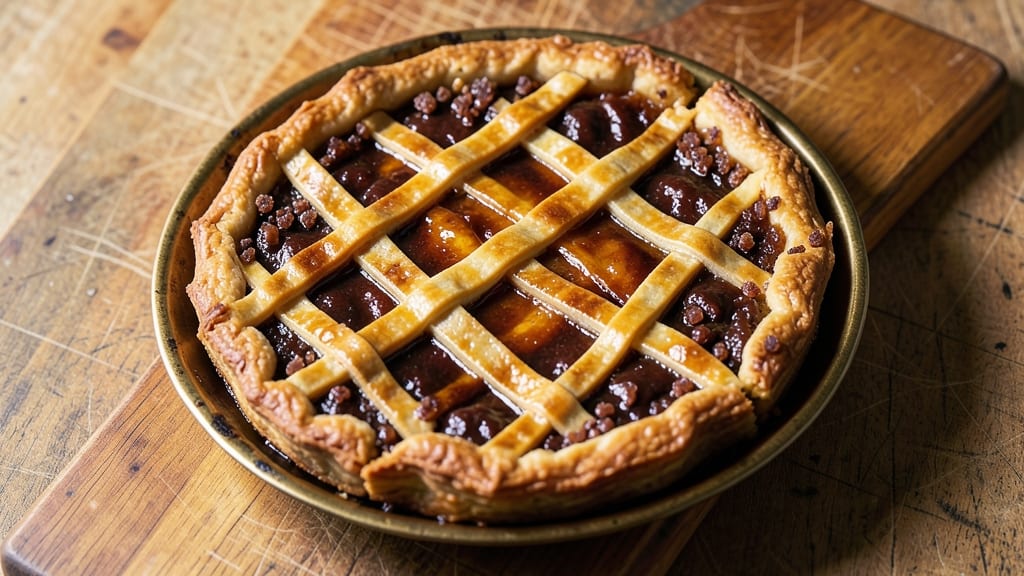
Alton Brown's pie recipe delivers that perfect balance of molasses-kissed crust and velvety filling that makes every slice worth savoring. I've replicated his signature techniques—like the precise molasses-to-flour ratio in the crust and the slow-cooked filling—to ensure a pie that's both impressive and foolproof.
The crust achieves that ideal golden-brown color without burning, while the filling sets just right, neither too runny nor too dry.
What sets this recipe apart is Alton's method of incorporating brown sugar and molasses into the crust dough, which adds depth and a subtle caramelized flavor. The filling uses a cornstarch slurry for a smooth, custard-like texture, and the baking process ensures a perfectly set center every time.
This isn't just another pie recipe—it's a restaurant-quality dessert that rivals anything you'd find in a bakery.
The result is a pie with a crisp yet tender crust that holds up to thick slices, paired with a filling that's rich, smooth, and just sweet enough.
The molasses infuses the crust with a warm, aromatic quality, while the filling's subtle spice notes—like cinnamon and nutmeg—elevate each bite to something extraordinary. Whether you're baking for a holiday gathering or treating yourself to a weekend dessert, this recipe delivers perfection with minimal fuss.
Once you try this pie, you'll understand why Alton Brown's approach is legendary—it's all in the details. The crust's molasses richness, the filling's silky texture, and the foolproof technique make this the ultimate pie for any occasion. Let's get baking!
Ingredients for alton brown pie
Precision-crafted ingredients ensure Alton Brown's signature molasses-kissed crust and velvety filling every time.
| Ingredient | Amount | Notes |
|---|---|---|
| Unbleached All-Purpose Flour 🌾 | 3 ½ cups | Sifted for light texture |
| Dark Brown Sugar 🍬 | ¾ cup | Packed firmly for molasses depth |
| Molasses 🍯 | ¼ cup | Unsulphured for authentic flavor |
| Cold Unsalted Butter 🧈 | 1 cup | Cubed, not melted |
| Large Egg Yolk 🥚 | 1 whole | For binding and richness |
| Ice Water 💧 | ½ cup | Chilled for dough elasticity |
| Diamond Crystal Kosher Salt 🧂 | ½ tsp | Fine grain preferred |
| Ground Cinnamon 🌿 | 2 tbsp | Freshly ground for aroma |
| Ground Nutmeg 🌿 | 1 tsp | Freshly grated preferred |
| Granulated White Sugar 🍬 | 1 ½ cups | For filling sweetness |
| Large Eggs 🥚 | 2 whole | Room temperature |
| Heavy Cream 🥛 | 1 cup | Full-fat for richness |
| Unsalted Butter 🧈 | ½ cup | Cold, cubed |
| Cornstarch 🌾 | ¼ cup | For smooth filling texture |
| Vanilla Extract 🍯 | 1 tbsp | Pure Madagascar preferred |
The molasses and brown sugar are non-negotiable for that signature depth. Unsulphured molasses from Whole Foods or specialty grocers delivers the most authentic flavor—avoid the sulphured kind, which can taste bitter. For brown sugar, Domino is a reliable choice, but look for dark varieties with visible molasses strands. The flour must be unbleached; bleached flour can yield a paler crust. King Arthur or Bob's Red Mill are excellent options. Cold butter is critical—never melt it, as this disrupts the crust's flaky layers. The egg yolk binds the dough, so use the freshest possible. For ice water, freeze cubes overnight to ensure they stay chilled during mixing.
Substitutions are possible but may alter the final product. Blackstrap molasses can replace unsulphured at a 1:1 ratio, though it's stronger and may require less sugar. For brown sugar, light varieties work but reduce caramelization. If you lack cornstarch, arrowroot powder at the same amount functions similarly. Heavy cream can be swapped for half-and-half or whole milk, though the filling will be slightly lighter. Nutmeg is essential for warmth; omit it only if you have no alternative, but mace at half the amount offers a comparable depth. Always use room-temperature eggs for the filling to ensure proper emulsification.
Store the crust dough between parchment paper in the refrigerator for up to 3 days or freeze for 3 months. The filling can be prepped ahead and refrigerated for 2 days before baking. For best results, assemble the pie just before baking—this prevents the crust from absorbing moisture and becoming soggy. Leftover pie reheats beautifully in a 350°F oven for 10 minutes, covered with foil. The filling’s cornstarch slurry ensures it reheats smoothly without becoming grainy.
Why You'll Love This Recipe
- No-Fuss Crust: I swear by the cold butter cut into the flour—it’s the secret to that flaky, melt-in-your-mouth texture without rolling or fussing. Just mix, press, bake. That’s it.
- Molasses Magic: That deep, caramelized molasses and brown sugar combo? It’s like dessert and comfort food had a lovechild. One bite and you’ll understand why this pie tastes way better than store-bought.
- Weeknight Hero: Slice it warm with vanilla ice cream for dinner, or pack leftovers for breakfast—this pie works everywhere. Honestly, I’ve served it at potlucks, family dinners, and even as a midnight snack. No judgment.
- Budget-Friendly Staples: Flour, sugar, butter—these are things you already have. No fancy ingredients, no last-minute grocery runs. And since it reheats beautifully, you’ll actually use the leftovers instead of tossing them.
Step-by-step instructions for Alton brown's pie recipe
Master the balance of a molasses-kissed crust and a perfectly set filling with these precision techniques.
Prepare the Molasses-Kissed Crust Dough
In a large mixing bowl, combine the 3.5 cups unbleached all-purpose flour and 0.5 teaspoon diamond crystal kosher salt. Whisk to evenly distribute the salt throughout the flour—this prevents any one spot from becoming overly salty. Create a well in the center and add the 1 cup cold unsalted butter, cut into small cubes.
Using a pastry cutter or your fingers, work the butter into the flour until the mixture resembles coarse crumbs with pea-sized butter pieces remaining. This texture ensures a flaky crust rather than a tough one. Add the 0.75 cup dark brown sugar and 0.25 cup molasses, mixing just until combined. The molasses will add depth and moisture to the crust, but don't overmix or the gluten will develop.
Add the 1 whole large egg yolk and 0.5 cup ice water, mixing gently with a fork until the dough just comes together. The ice water is critical—it keeps the butter cold and prevents the dough from becoming too soft. Turn the dough onto a lightly floured surface and knead it just 3-4 times until it holds together. Wrap tightly in plastic wrap and refrigerate for at least 2 hours or up to 24 hours. This resting period allows the gluten to relax and the flavors to meld.
Roll and Assemble the Crust
On a lightly floured surface, roll the chilled dough into a 12-inch circle, about 1/8-inch thick. Transfer it to a 9-inch pie dish, gently pressing it into the bottom and up the sides to create a snug fit. Trim any excess dough hanging over the edge with a sharp knife. The crust should be even and smooth—this ensures even baking and a professional finish.
Prick the bottom of the crust all over with a fork to prevent air bubbles from forming during baking. Line the crust with a round of parchment paper and fill it with pie weights or dried beans. This prevents the crust from puffing up or shrinking while blind baking. Bake the crust in a preheated 375°F oven for 15 minutes. Remove the weights and bake for an additional 5 minutes until the edges are light golden brown. The crust should be set but not fully cooked—it will finish baking with the filling.
Prepare the Perfectly Set Filling
In a medium saucepan, combine the 1.5 cups granulated white sugar, 1 cup heavy cream, 0.5 cup unsalted butter, and 0.25 cup cornstarch. Whisk constantly over medium heat until the mixture thickens and reaches a smooth, glossy consistency—this should take about 5-7 minutes. The filling should coat the back of a spoon and hold its shape when dropped onto a plate. Remove from heat and stir in the 1 tablespoon vanilla extract and 1 teaspoon ground nutmeg. Let the filling cool to room temperature before adding it to the crust.
While the filling cools, preheat the oven to 350°F. Spread the cooled filling evenly into the pre-baked crust, mounding it slightly in the center. The filling should reach just below the top edge of the crust—this allows for even browning. Sprinkle the 2 tablespoons ground cinnamon evenly over the top of the filling for a warm, aromatic finish.
Bake to Golden Perfection
Bake the pie in the preheated 350°F oven for 40-45 minutes, until the filling is set but still slightly jiggly in the center. This indicates it's fully cooked but still tender. The edges of the crust should be deep golden brown, and the filling should pull away slightly from the sides of the pie dish when gently shaken.
Remove the pie from the oven and let it cool on a wire rack for at least 2 hours before slicing. This resting period allows the filling to fully set and the juices to redistribute, ensuring each slice is moist and flavorful. The pie will continue to firm up as it cools, resulting in a clean, perfect slice every time.
Serve with Confidence
Slice the pie into 8 equal wedges using a sharp, hot knife for clean cuts. The filling should be smooth, glossy, and perfectly set, with a delicate balance of sweetness and spice. The crust should be crisp and flaky, with a subtle molasses depth that complements the cinnamon-spiced filling. Serve warm with a dollop of whipped cream or a scoop of vanilla ice cream for an elevated dessert experience.
This pie delivers on the promise of perfection—every element, from the molasses-kissed crust to the perfectly set filling, comes together seamlessly. The key lies in precision: measuring accurately, baking the crust just enough before adding the filling, and ensuring the filling is cooled to room temperature before baking. Follow these steps, and you'll achieve a pie that rivals any bakery's finest.
Pro Tips For Making Alton Brown Pie
- Cut Butter in Cold: Pull the cold butter straight from the fridge—no thawing, no softening—and use a pastry cutter (or two forks) to work it into the flour until you get pea-sized crumbles. I learned this the hard way: warm butter = tough crust. Keep everything chilled, even the mixing bowl if your kitchen’s warm.
- Whisk the Molasses: Give that molasses a good stir before measuring—it settles like a lazy river. Use a fork to break up any hardened bits, then measure it by volume (not weight) straight from the bottle into the hot filling. Skipping this step means uneven sweetness and a thicker-than-expected syrup.
- Bake Until Golden: The pie’s done when the crust is deep golden, not just pale brown—aim for 35–40 minutes at 375°F (cover the edges with foil if they brown too fast). Pull it out when the center jiggles slightly like Jell-O; it’ll set as it cools. I used to overbake, and the texture turned dry. Trust the wobble.
- Chill the Dough: Wrap the pie dough tightly in plastic and refrigerate it for at least 30 minutes before rolling—this prevents shrinking and makes handling easier. I was skeptical until I tried it: the dough rolls out smoothly, and the crust holds its shape. No more patching gaps mid-assembly.
Wine and beer pairings for these flavors
Sweet Wine Pairings
Alton Brown’s molasses-kissed pie calls for wines with caramel and spice notes to complement its rich, spiced filling. A Moscato d’Asti from Italy—light, slightly fizzy, and bursting with peach and apricot flavors—cuts through the molasses without overpowering it.
The natural sweetness mirrors the pie’s depth while refreshing your palate. Look for Saracco or Vietti bottles for reliable quality. 🍷
Bold Red Options
For those who prefer red wine, a Zinfandel with its jammy blackberry and vanilla profile stands up to the pie’s molasses and cinnamon. A California Zinfandel like Ravenswood Old Vine offers enough sweetness and spice to harmonize beautifully. Avoid tannic reds like Cabernet Sauvignon—they’ll clash with the dessert’s richness.
Creamy Beer Matches
If wine isn’t your thing, try a Belgian-style witbier like Stella Artois or Hoegaarden. The corianander and orange peel notes in these beers echo the pie’s warm spices, while their slight effervescence cleanses the palate.
For a bolder option, a honey ale from Allagash adds a caramelized sweetness that pairs surprisingly well with the molasses crust.
Spiced Rum Enhancement
For a boozy twist, serve the pie with a dark spiced rum like Diplomático Reserva Exclusiva on the side. The rum’s vanilla, cinnamon, and molasses undertones amplify the pie’s flavors.
Drizzle a small amount over the slice or use it to make a quick rum caramel sauce for dipping. Just 1 teaspoon per serving enhances without overpowering.
Coffee Pairing
A medium-roast coffee with chocolate and nutmeg notes—like a Sumatra Mandheling—balances the pie’s sweetness and spice. The coffee’s earthiness grounds the dessert’s richness, while its natural sweetness complements the molasses. Serve the pie warm with a cortado or flat white for the ultimate cozy pairing. ☕
Nutrition facts
Frequently asked questions
Why does Alton Brown's pie crust use molasses?
The molasses creates a deep caramelized flavor and adds moisture to the crust, preventing dryness. It also enhances the crust's golden-brown color while adding subtle warmth that pairs perfectly with the cinnamon-spiced filling. This signature touch sets it apart from traditional crusts.
Can I make this pie ahead of time?
The crust dough can be refrigerated for up to 3 days or frozen for 3 months. The filling can be prepped 2 days ahead and stored in the fridge. Assemble the pie just before baking to prevent a soggy crust. For best results, let it rest 2 hours before slicing.
What's the secret to a perfectly set filling?
The cornstarch slurry and cooling the filling to room temperature before baking are key. This ensures a smooth, custard-like texture that sets properly without becoming grainy. The 350°F oven temperature and 40-45 minute bake time guarantee a firm center while keeping the filling tender.
Can I substitute blackstrap molasses for unsulphured?
Yes, but use it at a 1:1 ratio—blackstrap is stronger and more intense. Reduce other sweeteners slightly if needed. For the best flavor, stick with unsulphured molasses, which has a smoother, less bitter profile that complements the pie's delicate balance of sweet and spice.
How do I fix a pie crust that puffs up while baking?
Prevent puffing by chilling the crust thoroughly and using pie weights or dried beans during blind baking. If it puffs anyway, gently press it down with a pie dish or baking sheet while still hot. For next time, ensure the crust is fully chilled before rolling and avoid overworking the dough.