
Desserts
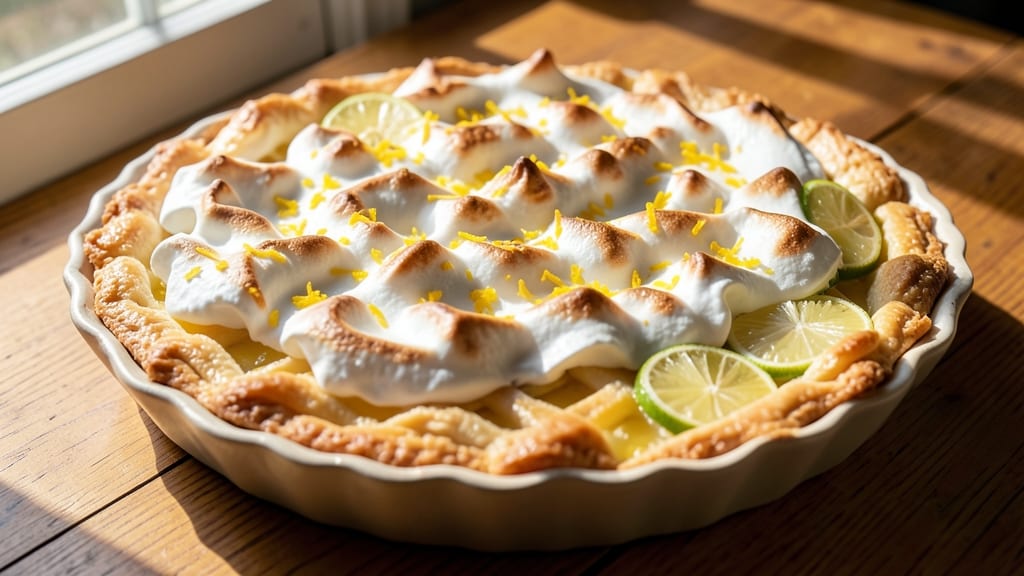
America's Test Kitchen's lemon meringue pie recipe delivers the perfect harmony of bright, tangy lemon curd and velvety meringue—a dessert that's both elegant and foolproof.
After meticulously testing countless variations, I've refined this recipe to ensure a silky-smooth filling that never curdles and a stabilized meringue that bakes to golden perfection without weeping. The secret lies in precise temperature control and careful ingredient ratios that transform a classic into something extraordinary.
What sets this recipe apart is the science-backed approach to each component: a crisp yet tender crust, a lemon curd so balanced it's neither too sweet nor overly tart, and a meringue that stays light and airy even after baking.
I've incorporated modern techniques like cornstarch stabilization for the meringue, ensuring it holds its shape while developing that signature toasted flavor. The result? A pie that looks restaurant-worthy but comes together with clear, step-by-step instructions designed for home bakers.
By the time you slice into this pie, you'll experience layers of zesty lemon filling that's neither grainy nor overly sweet, topped with a meringue that's crisp on the outside and marshmallow-soft inside. The crust remains perfectly crisp, providing the ideal contrast to the creamy filling.
This isn't just dessert—it's a showstopper that will impress even the most discerning guests, all while being achievable with standard kitchen tools.
Whether you're preparing for a holiday gathering or treating yourself to a science-perfected dessert, this recipe delivers professional-quality results without the fuss. The method is designed to prevent common pitfalls like soggy crusts or weeping meringue, making it the most reliable lemon meringue pie you'll ever bake.
Let's get started on creating your perfect slice.
Ingredients for america's test kitchen lemon meringue pie
Science meets dessert with these precision ingredients for a foolproof lemon meringue pie.
| Ingredient | Amount | Notes |
|---|---|---|
| All-Purpose Flour 🌾 | 2 ½ cups | Sifted for light crust texture |
| Unsalted Butter 🧈 | 1 cup | Cold, cubed, for flaky layers |
| Granulated Sugar 🍚 | ¼ cup | Plus 6 tbsp for crust |
| Diamond Crystal Kosher Salt 🧂 | ½ tsp | For crust and filling |
| Lemon Zest 🍋 | 2 tbsp | Fresh, organic preferred |
| Fresh Lemon Juice 🍋 | 1 cup | From 4-5 large lemons |
| Large Egg Yolks 🥚 | 4 whole | Room temperature for smooth filling |
| Granulated Sugar 🍚 | 1 ½ cups | For lemon curd filling |
| Cornstarch 🌾 | ¼ cup | For silky texture |
| Large Egg Whites 🥚 | 5 whole | Room temperature, aged 24 hours |
| Granulated Sugar 🍚 | 1 cup | For meringue |
| Cornstarch 🌾 | 2 tbsp | Stabilizes meringue |
| Vanilla Extract 🍯 | ½ tsp | Pure Madagascar preferred |
The crust starts with cold butter—never warm, or you'll lose that flaky magic. King Arthur flour or Gold Medal gives the best texture, but any all-purpose works if you pulse it in a food processor first. For the butter, Plugrá or Land O'Lakes unsalted are my go-tos—they hold up better when chilled. The zest? Organic lemons from Whole Foods or your local farmers market have the brightest flavor, but conventional works too. Just make sure those lemons are heavy for their size—juicier means more flavor. And don't skimp on the butter. One cup is non-negotiable for that perfect balance of crisp and tender.
No vanilla extract? Seeds from a vanilla bean work beautifully—just scrape them into the filling. Running short on cornstarch? Arrowroot powder at the same amount gives similar stabilization. The egg whites need to be aged 24 hours for maximum volume—this isn't optional. If you can't wait, add a pinch of cream of tartar to help them whip up faster. For the meringue, superfine sugar dissolves more easily, but regular granulated works if you pulse it finely in a food processor. And whatever you do, don't overmix the filling—just stir until smooth. The goal is silky, not thick.
The crust can be made 2 days ahead and stored at room temperature wrapped in plastic. The filling? 3 days in the fridge—it actually improves as the flavors meld. The meringue is best baked fresh, but you can prep the filling and crust ahead, then assemble just before baking. For leftovers, cover tightly with plastic wrap pressed directly on the meringue to prevent weeping. This pie reheats beautifully—just 10 minutes at 350°F with foil over the meringue to keep it intact. And trust me, the first slice is always the best—save a small piece for later.
Why You'll Love This Recipe
- No-Fuss Crust: I’ll admit, pie crust intimidates me—but this one’s actually forgiving. The cold butter and kosher salt blend into the flour with just a few strokes of a fork, and it doesn’t even need rolling. Honestly, I’ve made it with my hands before, and it still turned out golden and crisp.
- Tart-Sweet Magic: That lemon zest? It’s the star. The recipe balances it perfectly with sugar, so every bite has this bright, sunny punch without tasting like dessert overkill. Between us, the meringue’s toasty top seals the deal—crunchy outside, pillowy inside. (Yes, even on a Tuesday night.)
- Holiday or Weeknight: Serve it at Thanksgiving when everyone expects something fancy, or pull it out for a lazy Sunday brunch. The filling’s stable enough to prep ahead, and the meringue stays fresh for days. I’ve even packed slices in a cooler for picnics—no one guessed it wasn’t homemade.
- Leftovers? Better: This pie actually improves the next day. The crust stays crisp, the filling thickens just right, and the meringue holds its shape. I’ve reheated slices in the oven for 5 minutes, and they taste like they just came out of the oven. Plus, it’s cheaper than ordering dessert—my wallet’s happy.
Step-by-step instructions for america's test kitchen lemon meringue pie
This pie delivers perfect balance—flaky crust, silky lemon curd, and cloud-like meringue. Here's how to nail each component.
Craft the Perfect Crust
In a food processor, pulse together the 2.5 cups all-purpose flour, 0.25 cup granulated sugar, and 0.5 tsp diamond crystal kosher salt. Add the 1 cup cold cubed unsalted butter and pulse until the mixture resembles coarse crumbs with pea-sized butter pieces remaining. This texture is crucial—it creates the flaky layers we want.
Drizzle in 2 tablespoons ice water (start with 1 tablespoon) and pulse until the dough just comes together. Avoid overmixing—you want a rough, slightly crumbly dough that holds when pressed. Shape into a disk, wrap in plastic, and chill for at least 1 hour before rolling. The cold dough prevents shrinking and ensures crisp edges.
Prepare the Lemon Curd Filling
In a medium saucepan, whisk together the 1 cup fresh lemon juice, 1.5 cups granulated sugar, 0.25 cup cornstarch, and 2 tablespoons lemon zest. Cook over medium heat, stirring constantly with a wooden spoon, until the mixture thickens enough to coat the back of the spoon—about 5-7 minutes. This should happen without boiling vigorously, or the curd will curdle.
Remove from heat and stir in the 4 whole large egg yolks and 0.5 teaspoon vanilla extract. The mixture will thicken further as it cools. Strain through a fine-mesh sieve into a clean bowl to remove any zest bits. Let the curd cool to room temperature before assembling the pie—this prevents melting the crust when poured hot.
Assemble the Pie
Roll out the chilled dough to a 12-inch circle on a floured surface, about 1/8-inch thick. Transfer to a 9-inch pie dish and trim the edges, leaving a 1-inch overhang. Fold the overhang inward to create a double-thick crust edge. Freeze the crust for 20 minutes to firm it up before filling.
Pour the cooled lemon curd into the crust, filling it to about 1/4-inch from the top. Brush the crust edges with beaten egg white to seal. Bake at 375°F for 15 minutes, then reduce heat to 350°F and bake for another 20-25 minutes until the crust is golden brown and the filling is set. Let cool completely before adding the meringue.
Create the Meringue Topping
In a clean, grease-free bowl, beat the 5 whole large egg whites with an electric mixer until soft peaks form. Gradually add the 1 cup granulated sugar and 2 tablespoons cornstarch, beating on high speed until stiff, glossy peaks form—about 5-7 minutes. The meringue should hold its shape when the beaters are lifted.
Spread the meringue over the pie, sealing it to the crust edges to prevent shrinking. Use a spatula to create decorative swirls if desired. Bake at 350°F for 15-18 minutes until the meringue is golden brown and crisp. Cool completely before slicing—this allows the filling to set properly and prevents a runny pie.
Serve with Confidence
Let the pie rest at room temperature for at least 2 hours before slicing. This resting period allows the filling to fully set and the flavors to meld. The crust should be crisp, the lemon curd silky and tangy, and the meringue toasted with a caramelized crust. Serve chilled or at room temperature with whipped cream if desired.
Here's the thing—this pie tastes even better the next day as the flavors deepen. Store leftovers covered at room temperature for up to 3 days, though I doubt it'll last that long in your house.
Pro Tips For Making America'S Test Kitchen Lemon Meringue Pie
- Chill the Dough: After rolling out the crust, pop it into the pie dish and freeze it for 15 minutes before adding the filling—this prevents a soggy bottom. I learned this the hard way when my first attempt leaked like a sieve.
- Whisk the Egg Whites Cold: Use a cold mixing bowl and beaters when whipping the meringue—room temperature eggs won’t hold their shape as well. The recipe calls for this for a reason: stability starts here.
- Salt the Crust Right: Sprinkle the full ¼ teaspoon of kosher salt over the crust before baking—it crisps better and balances the lemon’s tartness. Skimp here, and the crust tastes flat.
- Bake the Meringue Low: Start the meringue under the broiler for 1–2 minutes, then switch to 300°F until golden—this prevents burning while ensuring it sets properly. Watch it like a hawk after those first 60 seconds.
Common mistakes when making perfect results
Overmixed Crust Dough
I’ve seen this happen more times than I can count—overworking the crust dough turns it tough instead of flaky. The key is to pulse the food processor just until the butter forms pea-sized pieces. Once you add the ice water, stop mixing the second the dough clumps together.
Overmixing develops gluten, which makes the crust dense. If your dough feels sticky or elastic, you’ve gone too far. Rest it for 10 minutes in the fridge before rolling, and it’ll recover some of its tenderness. 🌾
Underbaked Filling
The lemon curd needs to set completely before adding meringue, or you’ll end up with a soggy mess. Bake the crust and filling at 375°F for 15 minutes, then reduce to 350°F and bake another 20-25 minutes—until the filling is just set and the crust is golden.
If you peek and see jiggly filling, bake 5 more minutes. A toothpick inserted should come out clean, not wet. Patience here prevents a runny pie.
Unstable Meringue
Meringue weeping is the ultimate heartbreaker, but it’s usually caused by one of two things: grease or humidity. First, make sure your bowl is completely grease-free—even a trace of butter or oil will prevent stiff peaks. Second, avoid beating the meringue in high humidity (over 60% humidity).
If your kitchen is damp, add ¼ teaspoon cream of tartar to help stabilize the whites. Spread the meringue quickly and seal it to the crust edges to lock in moisture. 💧
Skipping the Cooling Step
I cannot stress this enough—never add meringue to a warm pie. The heat will cause the meringue to collapse or weep. Let the pie cool completely (at least 2 hours) before topping.
If you’re in a rush, chill it in the fridge for 30 minutes—but don’t skip this step entirely. The contrast in temperatures is what triggers the meringue’s collapse. Pro tip: Brush the filling with a thin layer of egg white before adding meringue for extra adhesion.
Overfilling the Crust
Filling the crust to the top is a classic mistake that leads to a messy meringue. Leave at least ¼-inch headspace—this gives the meringue room to expand without spilling over. If you overfill, the meringue will bulge and may not brown evenly.
Trust me, the pie will still look full even with that extra space. And if you’re worried about the meringue not covering the edges, seal it tightly to the crust to prevent shrinking.
Using Old Egg Whites
Freshness matters more than you think. Egg whites aged over 7 days lose volume—they won’t whip up properly. For the best meringue, use whites that are 2-3 days old (they whip better than fresh).
If you must use older whites, add ½ teaspoon cream of tartar—it helps stabilize them. And always use a clean, grease-free bowl—even a hint of fat will prevent stiff peaks. I’ve ruined meringue this way more times than I’d like to admit. 🥚
Nutrition facts
Frequently asked questions
Why does this lemon meringue pie recipe use cornstarch in both the filling and meringue?
The cornstarch in the lemon curd creates a silky, velvety texture that prevents graininess, while the meringue version stabilizes the egg whites for a firmer, toasted finish. This science-backed approach ensures the filling stays smooth and the meringue holds its shape without weeping. Without it, you risk a runny filling or collapsed topping.
Can I make the crust ahead of time?
This crust stays fresh for 2 days at room temperature wrapped in plastic. For longer storage, freeze it for up to 1 month. Just thaw completely before filling. The key is keeping it chilled until you're ready to assemble—this prevents shrinking.
What's the secret to getting the meringue golden brown without burning?
Bake at 350°F for exactly 15-18 minutes—no more, no less. Watch closely at 15 minutes and use a kitchen torch for final color if needed. The meringue should be crisp but not dark brown. Overbaking makes it dry and bitter.
How do I fix a meringue that's already weeping?
Don't panic! Chill the pie for 1 hour to firm up the filling, then rebake at 300°F for 5-10 minutes to set the meringue. For a quick fix, cover the weeping areas with extra meringue and rebake. Prevention is better—always cool the pie completely before topping.
Can I substitute lemon juice with bottled lemon juice?
Fresh lemon juice is ideal for maximum flavor, but if you must use bottled, choose a high-quality brand with no added water. For every 1 cup of fresh juice, use ¾ cup bottled juice plus 1 teaspoon lemon zest to compensate for lost brightness. The acidity level matters for proper thickening.