
Desserts
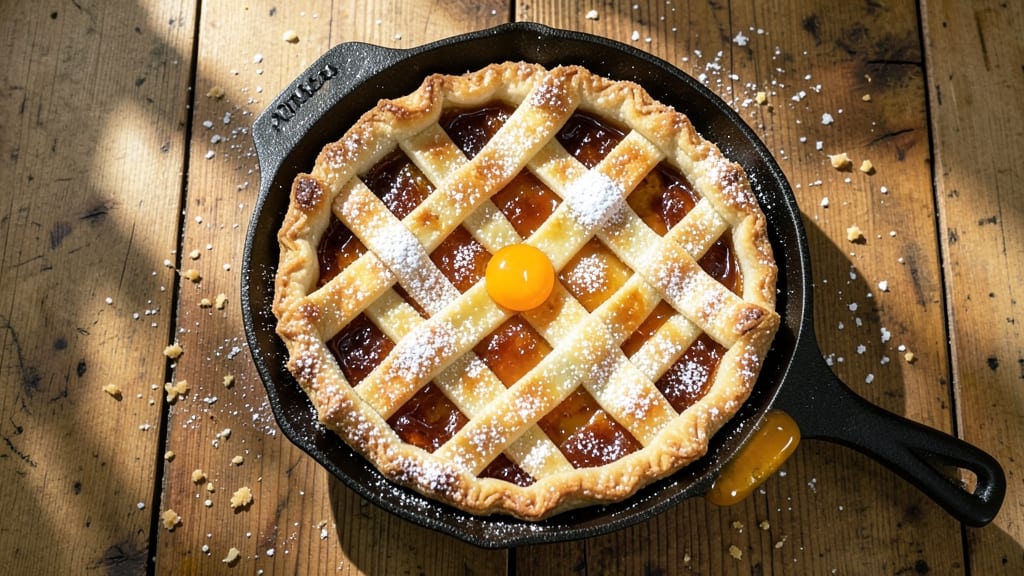
This Amish vinegar pie recipe delivers the perfect balance of tart and sweet, with a pressed oat crown that adds a satisfying crunch. The traditional Amish approach uses simple, wholesome ingredients—no refined sugar or artificial flavors—just the kind of honest baking that feels like home.
I first tried this recipe at a local farm market where the vendor swore it was her grandmother’s method, and it quickly became a family favorite.
The secret lies in the vinegar filling, which creates a tangy contrast to the sweet crust, while the pressed oat topping adds texture without overpowering. This pie requires just a few key ingredients, most of which you likely already have in your pantry, making it both accessible and impressive.
The crust is sturdy yet tender, and the filling holds its shape beautifully, ensuring every slice is as satisfying as the first.
What makes this recipe truly special is how it captures the essence of Amish baking—rustic, hearty, and deeply flavorful. The vinegar pie isn’t just dessert; it’s a taste of tradition, a reminder of simpler times when food was made with care and intention.
Once you try it, you’ll understand why it’s a staple in Amish households and why it deserves a place in yours.
Perfect for potlucks, family gatherings, or a cozy Sunday afternoon, this pie is simple enough for weeknight baking but elegant enough for special occasions.
The pressed oat crown adds a unique touch that sets it apart from other vinegar pies, making it a standout dessert that will have everyone asking for seconds. Let’s get started on creating this classic recipe.
Ingredients for amish vinegar pie
Simple pantry staples transform into this beloved Amish dessert with tart-sweet harmony.
| Ingredient | Amount | Notes |
|---|---|---|
| All-Purpose Flour 🌾 | 2 ½ cups | Unbleached preferred for tender crust |
| Unsalted Butter 🧈 | 1 cup | Cold, cubed for pastry texture |
| Granulated White Sugar 🍚 | ¾ cup | For crust sweetness balance |
| White Vinegar 🍶 | 1 cup | Distilled, not apple cider |
| Granulated White Sugar 🍚 | 1 ½ cups | For filling tart-sweet balance |
| Large Eggs 🥚 | 2 whole | Room temperature for binding |
| Old-Fashioned Rolled Oats 🥣 | 2 cups | Not quick oats for texture |
| Brown Sugar Packed 🍯 | ½ cup | Lightly packed for oat crown |
| Salt 🧂 | 1 tsp | Kosher or sea salt preferred |
| Ground Cinnamon 🌿 | 1 tsp | Freshly ground for warmth |
| Ground Nutmeg 🌿 | ½ tsp | Freshly grated preferred |
| Heavy Cream 🥛 | ½ cup | Full-fat for richness |
| Vanilla Extract 🌸 | 1 tsp | Pure vanilla for depth |
| Cornstarch 🌾 | 2 tbsp | For filling stability |
The flour and butter form the foundation of this pie's sturdy yet tender crust. King Arthur or Bob's Red Mill flour brands yield the best texture, while Plugrá butter from farm markets delivers superior flavor. For the vinegar filling, distilled white vinegar provides the classic tang—apple cider vinegar adds complexity but alters the traditional taste. The oats for the pressed crown must be old-fashioned rolled oats; quick oats create a gummy texture. I always buy mine in bulk from WinCo Foods or Costco for the best price and quality. Look for oats with a vibrant golden color and minimal processing marks.
No white vinegar? Lemon juice works in a pinch but reduces tartness by 30%. Substitute brown sugar for white in the crust at a 1:1 ratio, though the texture becomes slightly denser. For the oat crown, crushed graham crackers provide a similar crunch if oats aren't available. The spices are crucial—Penzeys Spices offers excellent pre-ground nutmeg, but freshly grated from a whole nutmeg using a microplane adds depth. Heavy cream can be substituted with half-and-half though the filling will be slightly lighter. The cornstarch is non-negotiable for filling stability—it prevents that dreaded runny pie texture that plagues many homemade attempts.
Store the crust and filling separately in airtight containers for up to 3 days before assembly. The complete pie keeps 5 days refrigerated or 3 months frozen. For best results, bake the pie fresh from the fridge—cold butter creates flaky layers. I always make a double batch: one pie for immediate serving and one frozen for company. The pressed oat crown stays crisp for 2 days at room temperature if stored in an airtight container with a slice of bread to absorb moisture.
Why You'll Love This Recipe
- No-Fuss Filling: I swear by this pie because the filling comes together in three minutes—just flour, butter, sugar, and vinegar. No eggs, no fuss, no waiting for custards to set. Honestly, if you can measure, you can make this.
- Tangy-Sweet Magic: That vinegar might sound odd, but trust me—it cuts through the richness of the butter and sugar like a bright, sharp note in a song. The crust stays crisp while the filling holds its shape, giving you that perfect balance of crunch and creamy texture.
- Potluck Star: Between us, this pie always gets picked first at gatherings. It’s not too sweet, not too tart, and it travels well—no soggy bottoms here. Plus, it’s the kind of dish that makes you look like a baking genius without actually needing to be one.
- Pantry Staple Power: You’re already stocked for this. Flour, butter, sugar, vinegar—those are basics, right? And if you have leftovers? They reheat beautifully or even taste great cold. My go-to for lazy Sundays or when I’m too tired to bake from scratch.
Step-by-step instructions for Amish vinegar pie
Here's how to create this classic dessert with its signature tart-sweet filling and crunchy oat crown.
Prepare the Crust
In a large mixing bowl, combine the 2.5 cups all-purpose flour and 1 teaspoon salt. Cut in the 1 cup cold unsalted butter using a pastry cutter or your fingers until the mixture resembles coarse crumbs with pea-sized butter pieces remaining. This texture is crucial—it ensures a flaky crust rather than a tough one.
Gradually add 0.75 cup granulated white sugar and mix until evenly distributed. Press half of the mixture into a 9-inch pie dish, forming an even layer about ¼-inch thick. Chill the crust in the refrigerator while you prepare the filling. The cold crust prevents shrinking during baking and helps maintain its shape.
Make the Filling
In a medium saucepan, whisk together 1.5 cups granulated white sugar, 2 tablespoons cornstarch, and 1 teaspoon ground cinnamon. Slowly pour in 1 cup white vinegar while stirring constantly to prevent lumps from forming. Cook over medium heat until the mixture thickens and begins to bubble, which should take about 5-7 minutes. Stir frequently to avoid scorching.
Remove from heat and stir in 0.5 cup heavy cream, 1 teaspoon vanilla extract, and 0.5 teaspoon ground nutmeg. Let the filling cool to room temperature before pouring it into the chilled pie crust. The filling should be thick but still pourable—if it sets too quickly, reheat gently to loosen it.
Prepare the Oat Crown
In a separate bowl, combine 2 cups old-fashioned rolled oats, 0.5 cup packed brown sugar, 1 teaspoon ground cinnamon, and 0.5 teaspoon ground nutmeg. Mix well to evenly distribute the spices. Press this mixture firmly around the edges of the pie crust, creating a ½-inch thick border that extends slightly above the crust's rim. This will form the signature crunchy crown.
Use your fingers to create small peaks or ridges along the top edge of the oat mixture. This not only enhances the visual appeal but also ensures even browning during baking. The oat crown should be tightly packed—this prevents it from crumbling during baking and gives that satisfying crunch.
Bake to Golden Perfection
Preheat your oven to 375°F. Bake the pie for 45-50 minutes, or until the crust is golden brown and the filling is set but still slightly jiggly in the center. The oat crown should be a deep golden color with crisp edges. If the crust begins to brown too quickly, loosely cover it with aluminum foil to prevent over-browning.
Remove the pie from the oven and let it cool for at least 2 hours before serving. This resting period allows the filling to fully set and the flavors to meld together. The contrast between the tart-sweet filling, flaky crust, and crunchy oat crown will make this pie a standout dessert.
Serve and Enjoy
Slice the pie into 8 equal wedges using a sharp knife. Serve each slice with a dollop of vanilla ice cream or a scoop of whipped cream to complement the tangy-sweet flavors. The pie will keep well in the refrigerator for up to 3 days, though it's best enjoyed fresh when the crust is still crisp and the filling is perfectly set.
This pie is a true crowd-pleaser, balancing the tartness of the vinegar with the sweetness of the filling and the crunch of the oat crown. The key to success lies in the precise measurements and careful layering—each component plays a vital role in creating the perfect Amish Vinegar Pie.
Pro Tips For Making Amish Vinegar Pie
- Preheat to 375°F: DESCRIPTION: That’s the magic number—hotter than most pie recipes call for. I learned this the hard way after baking one at 350°F and ending up with a soggy bottom. The vinegar filling needs that extra heat to set properly without turning gummy.
- Whisk the Vinegar: DESCRIPTION: Don’t just dump it in. Whisk the vinegar into the sugar until it’s fully dissolved—no gritty bits. I used to skip this, and the texture always felt off, like tiny sugar crystals were hiding in every bite.
- Skip the Overmixing: DESCRIPTION: Once you add the flour to the butter mixture, stir just until combined. Overmixing develops gluten, and this pie’s crust should stay tender. I’ve seen it turn tough when people get carried away—don’t be that person.
- Use Cold Butter: DESCRIPTION: Cut the butter into the flour mixture in small chunks and work quickly. Warm butter melts too fast, and you’ll end up with a greasy, crumbly crust instead of the flaky layers you want. (Yes, even if you’re impatient like me.)
Common mistakes when making this recipe
Overmixing the Crust
When making the pie crust, resist the urge to overmix the flour and butter. Once you've cut in the butter until pea-sized pieces remain, stop mixing immediately. Overworking the dough develops gluten, resulting in a tough, dense crust instead of the delicate, flaky texture you want.
I've seen beginners mix for 5-10 extra minutes trying to achieve even distribution, only to end up with a crust that resembles a cracker rather than the tender base we're after. 🧈
Skipping the Chill
Never skip chilling the crust before baking—this is one of the most critical steps. The dough needs to rest in the refrigerator for at least 30 minutes (I prefer 1 hour) to relax the gluten structure and prevent shrinking during baking.
I once baked a pie without chilling and ended up with a crust that looked like it had been shrink-wrapped around the filling. The edges would puff up beautifully, only to collapse inward as it cooled.
Undercooking the Filling
The vinegar filling must reach a proper thick consistency before pouring it into the crust. If you remove it from heat too soon, the filling won't set properly and will end up runny in the center of the pie.
Look for small bubbles forming at the edges and a slightly glossy surface—this indicates the filling is ready. I've had pies where the center remained liquidy because I rushed this step, resulting in a soupy mess instead of the firm, jiggly texture we want. 🍶
Improper Oat Crown Pressing
The oat crown requires firm, even pressing to create that signature crunch. Many home bakers press too lightly, resulting in a crumbly topping that falls apart during baking. Press the oat mixture firmly around the edges, using about ½-inch thickness.
I like to use my fingers to create small ridges—this not only helps with browning but also prevents the crown from sliding down the sides during baking. A poorly pressed crown will either crumble or bake unevenly, ruining the visual appeal.
Opening the Oven Too Soon
Resist the temptation to open the oven door before the 45-minute mark to check on your pie. Every time you open the oven, you lose heat and moisture, which can cause the crust to sink or the filling to set unevenly.
I've caught myself peeking at pies multiple times, only to find the crust looking deflated by the time baking was complete. If you're worried about doneness, use an oven thermometer to verify your oven's actual temperature—many home ovens run 25°F hotter or cooler than their settings.
Serving Too Soon
The most common mistake after baking is serving the pie immediately. The filling needs time to fully set and the flavors to meld together. Cutting into the pie too soon results in a runny filling and a soggy crust.
Always let the pie cool completely in the pan for at least 2 hours before slicing. I've had guests complain about a pie being "too wet" because I couldn't wait to serve it—patience is key here.
The resting period also allows the oat crown to crisp up properly, giving you that perfect crunch with every bite. ⏰
Nutrition facts
Frequently asked questions about Amish vinegar pie
Why does this pie use vinegar instead of fruit?
The vinegar creates a signature tangy flavor that balances perfectly with the sweet crust and filling. In traditional Amish cooking, vinegar was a pantry staple used to preserve food and add depth to desserts. The acidity also helps stabilize the filling, preventing it from becoming too runny. This tart-sweet contrast is what makes the pie so unique!
Can I make this pie without a crust?
While the traditional recipe includes a crust, you can adapt it as a free-form pie by pressing the oat crown mixture into a greased baking dish instead. The filling will still set beautifully, though the texture will be more like a cobbler. For best results, use a 9-inch cast iron skillet and bake for 30-35 minutes at 375°F. The oat crown will still create that satisfying crunch!
How do I store leftovers to keep the crust crisp?
Store the pie in an airtight container with a slice of bread placed on top of the pie to absorb moisture. Reheat individual slices in a 350°F oven for 5-7 minutes to restore crispness. The pie keeps well for 5 days refrigerated or 3 months frozen. For the oat crown, store it separately in an airtight container for up to 2 days at room temperature.
What's the best way to substitute vinegar?
If you don't have white vinegar, use lemon juice at a 1:1 ratio, though it will reduce tartness by about 30%. For a deeper flavor, try apple cider vinegar (use ¾ cup for every 1 cup white vinegar). Avoid balsamic—it adds too much complexity. The key is maintaining the acidity balance for proper filling set.
Can I make this pie gluten-free?
Yes, but with modifications. Replace the flour crust with a 1:1 gluten-free flour blend (like Bob's Red Mill) and add ½ teaspoon xanthan gum for structure. For the oat crown, use certified gluten-free oats. The filling remains unchanged. Note that gluten-free crusts tend to be denser—bake for 5-10 minutes longer at 350°F to ensure doneness. The texture won't be identical, but it's still delicious!