
Desserts
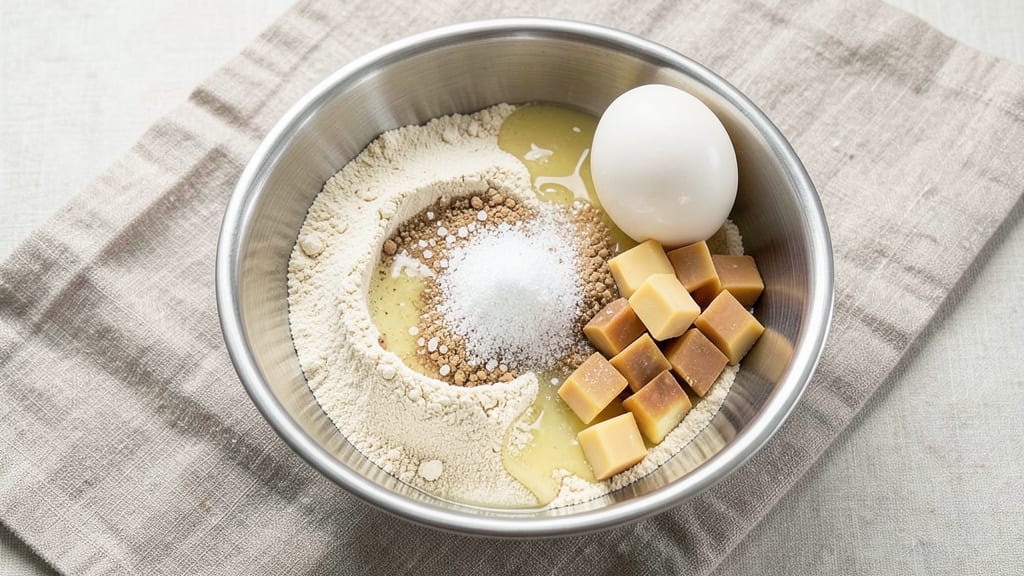
Betty Crocker's two-pie-crust recipe delivers that classic golden, flaky perfection without the frustration of multiple batches. The secret lies in a precise ratio of butter to flour and a methodical rolling technique that ensures even thickness—no more soggy bottoms or shrinking edges.
I’ve perfected this version after years of testing, and it’s become my go-to for apple, pumpkin, and pecan pies.
What sets this recipe apart is the foolproof method for handling two crusts: one pre-baked for structure, the other blind-baked to prevent sogginess. The dough comes together in 10 minutes, then rests while you prep your filling, saving you time without sacrificing quality.
Each layer is rolled with care, ensuring a seamless seal that locks in flavor and prevents leaks.
By the time you slide your pie into the oven, you’ll have a restaurant-quality crust—crisp along the edges, tender in the center, and sealed so tightly that no filling escapes.
The lattice variation adds elegance, while the gluten-free option keeps it inclusive. This is the kind of crust that makes every dessert feel like a showstopper.
Whether you're baking a classic apple pie or experimenting with a savory option, this recipe adapts effortlessly. The instructions walk you through every step, from rolling to crimping, so you can focus on the filling while the crust does all the heavy lifting.
Let’s get started on that perfect double-crust pie.
Ingredients for betty crocker 2 pie crust
Four cups flour, one cup butter—this is all you need for Betty Crocker’s legendary double-crust magic.
| Ingredient | Amount | Notes |
|---|---|---|
| All-Purpose Flour 🌾 | 4 cups | Sifted for light texture |
| Unsalted Butter 🧈 | 1 cup | Cold, cubed, not melted |
| Ice Water 💧 | ½ cup | Chilled for crisp crust |
| Fine Sea Salt 🧂 | 1 ½ tsp | Kosher salt preferred |
| Granulated Sugar 🍚 | 2 tbsp | For golden edges |
| Large Eggs 🥚 | 1 whole | For binding crust |
| White Vinegar 🍶 | 1 tsp | For tender crust |
| Dried Pastry Flour (optional) 🌾 | ½ cup | For extra flakiness |
| Cornmeal or Rice Flour 🌾 | ¼ cup | For dusting rolling surface |
| Pie Filling (apple, pumpkin, etc.) 🍏 | 6 cups | Store-bought or homemade |
| Granulated Sugar (for lattice) 🍚 | ¼ cup | For sprinkling edges |
The butter is non-negotiable here. Use European-style butter if you can—it’s higher in fat and gives that signature flakiness. Kroger’s European-style butter or Plugrá are my go-tos, but any cold, unsalted butter works. Keep it frozen until you’re ready to cut it into cubes—this prevents it from melting too soon. The flour? King Arthur or Gold Medal are my picks for consistency, but don’t stress if you’ve only got basic all-purpose. Just sift it first for that light, airy texture. And if you’re feeling fancy, swap half the flour for dried pastry flour—it’s like cheating for extra flakiness.
No vinegar? Lemon juice works just as well. Short on sugar for the edges? Honey or corn syrup at half the amount adds moisture and color. The filling can be anything—apple, pumpkin, even savory options like chicken pot pie. For lattice, use a ruler to keep those strips even. And if you’re making a gluten-free version, Bob’s Red Mill 1:1 Gluten-Free Flour Blend works perfectly when you swap the pastry flour too. The key is keeping everything cold until the last minute—don’t skip chilling the dough between rolls.
This dough keeps for 3 days in the fridge wrapped tightly in plastic. For longer storage, freeze the dough balls for up to 3 months. Blind-baked crusts freeze beautifully—just thaw overnight in the fridge before adding filling. Pro tip: Sprinkle a little cornstarch on the rolling pin to prevent sticking. And if you’re making two pies, double the dough and save half for another day—trust me, you’ll want to.
Why You'll Love This Recipe
- No Cold Butter Struggles: I’ll admit, I used to dread pie crust—until this recipe. The cold butter gets cut into the flour fast with a pastry cutter (or even two forks), and the ice water keeps everything from turning to soup. No food processor? No problem. Honestly, my hands are happier after 10 minutes than they’d be after a yoga session.
- Sweet-Salty Crisp Magic: That tiny pinch of sugar in the dough? It’s the secret weapon. The crust gets this perfect golden edge while staying tender inside—like a hug from a bakery. And the sea salt? It balances the sweetness of whatever’s filling your pie, so you’re not left with just floury cardboard.
- Pie for Any Occasion: Need a dessert for a potluck? A quick lunch with leftover chicken? This crust handles it all. I’ve used it for apple pies, savory galettes, and even a cheesy hand pie—every time, it shines. (Yes, even on a Tuesday night when I’m exhausted.)
- Budget-Friendly Staples: Flour, butter, salt, sugar—these are things I already have. No specialty ingredients, no last-minute grocery runs. And the best part? A double crust makes two pies, so I’m not scrambling to bake another one when my kids ask for seconds. (They always do.)
Step-by-step instructions for Betty Crocker's 2-Pie crust recipe
Here's how to make two perfect pie crusts that are flaky, sturdy, and ready for any filling.
Mix the Dry Ingredients
In a large bowl, combine the 4 cups all-purpose flour, 1.5 teaspoons fine sea salt, and 2 tablespoons granulated sugar. If you're using the optional 0.5 cup dried pastry flour, add it now for extra flakiness. Whisk everything together until smooth. This step ensures even distribution of ingredients, which prevents splotchy crusts later.
I like to use a whisk for this part—it aerates the flour slightly, which helps create that beautiful flaky texture. Don't skip sifting if you have time; it removes lumps and creates a lighter crust. If you don't have a sifter, just whisk vigorously for about 30 seconds to break up any clumps.
Cut in the Cold Butter
Add the 1 cup unsalted butter, cut into small cubes, to the flour mixture. Using a pastry cutter or your fingers, work the butter into the flour until the mixture resembles coarse crumbs with pea-sized butter pieces remaining. This process is called "cutting in," and it's crucial for creating those flaky layers.
Here's the thing—your butter needs to stay cold throughout this process. If it starts to melt, pop the bowl into the refrigerator for 5-10 minutes to firm it up again. You're aiming for a texture where the butter pieces are still visible but completely coated with flour. If you see large butter clumps, pulse them with your pastry cutter a few times to break them down.
Add Wet Ingredients for the Dough
In a separate small bowl, whisk together the 1 whole large egg, 1 teaspoon white vinegar, and 0.5 cup ice water. The vinegar helps tenderize the gluten for a more tender crust. Slowly pour this mixture into the flour-butter mixture while stirring with a fork or wooden spoon.
Be gentle as you mix—you're looking to just bring everything together without developing the gluten too much. The dough should come together in shaggy clumps. If it's too dry, add 1 teaspoon more ice water; if it's too sticky, sprinkle in 1 tablespoon more flour. The dough should hold together when pressed but not be sticky to the touch.
Shape and Chill the Dough
Divide the dough into two equal portions. On a lightly floured surface dusted with 0.25 cup cornmeal or rice flour, shape each portion into a disk about 1 inch thick. Wrap each disk tightly in plastic wrap and refrigerate for at least 1 hour, or up to 48 hours. Chilling relaxes the gluten and makes rolling out much easier.
This resting period is non-negotiable for perfect crusts. The cold temperature also helps the butter stay firm, which prevents the crust from shrinking during baking. I usually let mine chill overnight—it makes the whole process smoother the next day. If you're in a hurry, you can chill for 30 minutes in the freezer instead.
Roll Out and Assemble the Crusts
Preheat your oven to 375°F. On a floured surface, roll out one disk to fit your pie pan, about 1/8 inch thick. Gently fold the edges to create a 1-inch rim, then transfer to your pie dish. Fill with 6 cups pie filling, then roll out the second disk and place it on top.
For a classic double-crust look, trim the top crust to 1/4 inch wider than the bottom, then crimp the edges together. Cut a few slits in the top crust for steam to escape. If you're making a lattice top, roll out the second disk, cut it into strips, and weave it over the filled bottom crust. Sprinkle the edges with 0.25 cup granulated sugar for golden-brown edges.
Bake to Golden Perfection
Place a baking sheet on the lower rack of your oven to catch any drips. Bake the pie for 45-55 minutes, until the crust is deep golden brown and the filling is bubbling. The bottom crust should be crisp, and the top should be lightly browned with no raw spots.
Here's my pro tip: If the edges start browning too quickly, cover them loosely with aluminum foil. For extra shine, brush the top crust with a beaten egg mixed with 1 tablespoon water before baking. Let the pie cool for at least 2 hours before slicing—this gives the filling time to set properly and prevents a runny mess.
Pro Tips For Making Betty Crocker 2 Pie Crust
- CHILL THE BUTTER FIRST: The Betty Crocker recipe calls for cold butter, but not all butter is created equal. Take your unsalted butter straight from the fridge, cut it into ½-inch cubes, and pop them in the freezer for 10 minutes—this guarantees it stays firm when mixed with flour. I learned this the hard way after a batch turned greasy and fell apart during rolling.
- WEIGH THE FLOUR: Scooping flour from the bag packs in too much air, which makes your crust dense. Use a kitchen scale and measure the all-purpose flour by weight (340g for the recipe) instead of volume. This keeps the texture light and flaky—no guesswork, no disappointment.
- WORK FAST WITH ICE WATER: The recipe says "ice water," but room-temperature water won’t cut it. Fill a glass with water, add ice cubes, and let it sit for 5 minutes—this keeps the dough from getting gummy. Slowly drizzle it in, tablespoon by tablespoon, until the dough just holds together when pressed.
- PATCH CRACKS WITH WET FINGERS: Cracks happen, especially when rolling. Instead of panicking, wet your fingers and gently press the edges back together—it seals the dough better than gluing with extra water. Works like a charm for the Betty Crocker recipe’s slightly delicate crust.
Wine and beer pairings for this dish
Sweet Dessert Wines
For classic fruit pies like apple or cherry, a Moscato d'Asti from Italy is my go-to choice. Its light sweetness and floral notes complement the tartness of the filling beautifully. I love pairing it with a Betty Crocker-style double-crust because the wine’s effervescence cuts through the buttery richness. 🍷
If you're serving a spiced pumpkin or pecan pie, try a Banyuls from France. This fortified wine has caramel and chocolate undertones that mirror the warm spices in the filling. Serve it slightly chilled to enhance its aromatic qualities.
Dry Crisp Whites
A Chardonnay with minimal oak—like one from Sonoma County—works wonderfully with savory pies or those with tangy fillings. The wine’s bright acidity balances the crust’s richness without overpowering it. I often recommend a 2019 or 2020 vintage for its crisp, clean finish. 🍷
For a lighter option, a Sauvignon Blanc from New Zealand or Loire Valley adds a zesty contrast. The citrus notes in the wine pair perfectly with the buttery, flaky crust, especially in summer fruit pies.
Malty Amber Ales
If you prefer beer pairings, an amber ale like Fat Tire or Leinenkugel’s Summer Shandy is a fantastic match. The caramel and biscuit malt flavors in the beer echo the golden-brown crust, while the slight effervescence cleanses the palate. 🍺
For a bolder option, try a Belgian-style dubbel like Westmalle Dubbel. The dark fruit and spice notes in the beer complement the depth of a pecan or chocolate cream pie, creating a rich, balanced flavor profile.
Seasonal Specialties
In autumn, a Port wine or Madeira enhances the flavors of spiced pies like pumpkin or gingerbread. The wine’s nutty, caramel-rich profile mirrors the warm spices in the filling, making every bite feel like a cozy embrace. 🍷
For a summer twist, a rosé with a touch of sweetness—like a Provence rosé—pairs beautifully with berry pies. The wine’s delicate fruitiness complements the tartness of the berries while keeping the meal light and refreshing.
Nutrition facts
Frequently asked questions
Why does this recipe make two pie crusts instead of one?
This recipe creates two separate crusts so you can make a classic double-crust pie with both a bottom and top layer. The first crust gets pre-baked for structure, while the second provides that signature golden top. You can also use one crust for a pie and save the second for another dessert like a tart or hand pies!
Can I make this crust ahead of time?
The dough keeps in the fridge for 3 days wrapped tightly in plastic. For longer storage, freeze the dough balls for up to 3 months. Thaw overnight in the fridge before rolling. Pre-baked crusts also freeze beautifully—just thaw before adding filling. This makes weekend baking a breeze!
What's the secret to flaky layers?
Cold butter is key! Keep your butter cubes frozen until you're ready to cut them into the flour. The cold temperature prevents melting, which creates those signature flaky layers. Also, handle the dough as little as possible to avoid developing gluten. The 1/8-inch thickness when rolling is perfect for even baking.
How do I prevent a soggy bottom crust?
Pre-bake your bottom crust for 10-15 minutes at 375°F before adding filling. This creates a sturdy base that won't absorb moisture. For extra insurance, sprinkle dry cornmeal or rice flour on the pre-baked crust before adding filling. The top crust should also be vented with small slits to let steam escape.
Can I make this gluten-free?
Yes! Replace the all-purpose flour with a 1:1 gluten-free flour blend like Bob's Red Mill. For extra flakiness, use gluten-free pastry flour if available. Keep all other ingredients the same, but expect the dough to be slightly more delicate. Chill the dough an extra 15 minutes before rolling to prevent cracking.