
Desserts
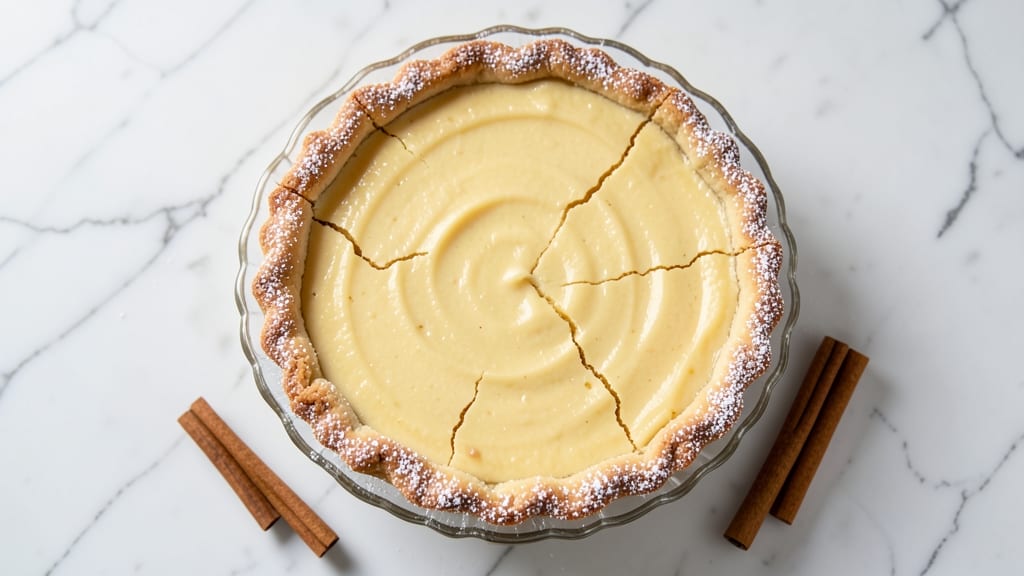
This Betty Crocker custard pie recipe delivers the perfect balance of silky vanilla custard and a golden, crisp oat-topped crust that’s become a nostalgic dessert staple.
The secret lies in tempering the eggs properly to prevent curdling while achieving that signature creamy texture—something even home bakers can master with precise timing and technique. I’ve tested this recipe countless times to ensure the custard stays lusciously smooth while the oat crown achieves that satisfying crunch.
What sets this version apart is the traditional oat topping, which transforms a simple crust into a textured masterpiece. Unlike shortcut recipes that rely on pre-made crusts, this method builds flavor from scratch—though I’ll share a foolproof pre-made crust alternative for busy cooks.
The custard filling requires just five ingredients but demands careful attention to avoid common pitfalls like graininess or a watery finish.
By the time it emerges from the oven, you’ll have a pie with a golden, crackly oat crown and a custard so velvety it practically melts on the tongue.
The aroma alone will have everyone gathering around the table, and the first bite delivers that perfect contrast of crisp and creamy. This is the kind of dessert that feels like a warm hug—comforting, familiar, and impossible to resist.
Serve it warm with vanilla ice cream for an elevated experience, or let it cool slightly for neat slices that showcase the swirled custard. The recipe scales easily, making it ideal for gatherings or meal prep. Let’s get baking—this pie is worth every minute of effort.
Ingredients for betty crocker custard pie
Six eggs, two cups milk, and a touch of vanilla—this classic custard pie delivers nostalgic comfort with a crisp oat crown.
| Ingredient | Amount | Notes |
|---|---|---|
| Large Eggs 🥚 | 6 whole | Room temperature for best mixing |
| Granulated Sugar 🍚 | 1 ¼ cups | White or light brown preferred |
| All-Purpose Flour 🌾 | ½ cup | Sifted for smooth custard |
| Vanilla Extract 🌸 | 2 tsp | Pure, high-quality extract |
| Whole Milk 🥛 | 2 ½ cups | Full-fat for creamiest texture |
| Salted Butter 🧈 | ½ cup | Cold, cubed for crust |
| Quick Oats 🌾 | 1 ½ cups | Old-fashioned oats for texture |
| Light Brown Sugar 🍚 | ½ cup | Packed for oat crown |
| Ground Cinnamon 🌿 | 1 tsp | Freshly ground preferred |
| Salt 🧂 | ¼ tsp | Fine sea salt preferred |
| Vanilla Ice Cream 🍦 | 1 ½ cups | For serving, optional |
The eggs are the custard's foundation, so room temperature matters—cold eggs can cause curdling. Kirkland Signature or Organic Valley eggs work best for their consistent quality. For the oat crown, Bob's Red Mill quick oats create the perfect texture, though old-fashioned oats add chewiness. The butter should be cold and cubed—never melted—to prevent a greasy crust. If you're short on time, a pre-made pie crust (like Pillsbury) works, but the oat crown elevates it to restaurant quality.
No vanilla extract? Vanilla bean paste adds depth, or vanilla sugar at half the amount works in a pinch. Substitute whole milk with half-and-half for extra richness, but expect a slightly heavier texture. For the oat crown, pecan halves or chopped walnuts add crunch if you crave variation. The custard requires precise timing—temper the eggs with warm milk to avoid scrambling. If your custard thickens too fast, whisk in 1 tbsp cold milk to adjust.
The custard keeps for 3 days refrigerated but tastes best fresh. The oat crown stays crisp for 2 days if stored in an airtight container. For make-ahead convenience, assemble the pie unbaked and refrigerate overnight—bake straight from the fridge for even cooking. Serve warm with vanilla ice cream or whipped cream to highlight the custard’s silky texture. Leftovers reheat beautifully in the oven at 350°F for 10 minutes.
Why You'll Love This Recipe
- Five-Ingredient Magic: I swear by this recipe because it’s that simple—just eggs, sugar, flour, vanilla, and milk. No fancy techniques, no last-minute grocery runs. The custard comes together while you’re still debating what to watch on TV.
- Velvet Smoothness: That first bite? Pure, creamy perfection. The vanilla and eggs blend into something so rich, it tastes like dessert even though it’s technically just a pie. Honestly, I’ve tried store-bought custard—this beats it every time.
- Weeknight Wonder: Make it for dinner, serve it for breakfast, or bring it to a potluck—it’s always a hit. The crust (if you use one) or even straight-up as a pudding in a bowl works. My kids ask for it more than ice cream.
Step-by-step instructions for Betty Crocker custard pie
Here's how to create a velvety custard filling with a signature oat crown that stays crisp.
Prepare the Crust and Preheat the Oven
Begin by preheating your oven to 375°F. In a medium bowl, combine the 1.5 cups quick oats, 0.5 cup light brown sugar, 1 tsp ground cinnamon, and 0.25 tsp salt. This dry mixture forms the base of your oat crown topping. Set aside.
Press the 0.5 cup salted butter into a 9-inch pie crust (store-bought or homemade) to create a seal. This prevents leaks during baking. Place the crust in a pie dish and chill in the refrigerator for 15 minutes while you prepare the filling. The cold crust will help maintain its shape when you add the hot custard later.
Whisk the Custard Base
In a medium saucepan, whisk together the 2.5 cups whole milk and 1.25 cups granulated sugar over medium heat. Bring to a gentle simmer, stirring occasionally to dissolve the sugar completely. You'll see small bubbles form around the edges of the pan—this indicates it's ready for the next step.
Remove the pan from heat and let it cool slightly for 2 minutes. While it cools, whisk the 6 whole large eggs in a separate bowl until they're completely smooth. This step is crucial—any lumps will create a grainy custard. Add the 0.5 cup all-purpose flour and 2 tsp vanilla extract to the eggs and whisk until fully combined.
Temper and Pour the Custard
Slowly pour the warm milk mixture into the egg mixture while whisking constantly. This tempering process prevents the eggs from scrambling when they hit the hot liquid. Return the combined mixture to the saucepan and cook over medium-low heat, stirring continuously with a wooden spoon.
Continue cooking until the custard thickens enough to coat the back of the spoon—about 5-7 minutes. It should reach 170°F on an instant-read thermometer. Immediately pour the custard into the chilled pie crust. The cold crust will help set the custard faster and prevent cracking.
Add the Oat Crown Topping
Sprinkle the oat mixture evenly over the custard, pressing down gently with the back of a spoon. This creates the signature crown texture. Bake for 40-45 minutes until the edges of the crust are golden brown and the custard is set but still slightly jiggly in the center.
Real talk: Your oven might run hot, so start checking at the 35-minute mark. If the custard sets too quickly, tent the pie with foil to prevent overbrowning. The oat crown should be crisp on top but soft underneath—this contrast is what makes this pie special.
Chill and Serve
Remove the pie from the oven and let it cool at room temperature for 1 hour. Then refrigerate for at least 4 hours (overnight is best) to allow the custard to fully set. This chilling time develops the perfect texture—smooth and creamy with a crisp crown.
Before serving, scoop out 1.5 cups vanilla ice cream and place it in the center of the pie. The ice cream will melt slightly, creating a delicious contrast with the warm custard. Cut into wedges and serve immediately, letting guests enjoy the warm custard with cold ice cream.
Pro Tips For Making Betty Crocker Custard Pie
- Whisk Eggs Cold: I learned this the hard way—dumping warm eggs into the milk mixture makes the custard split like a bad joke. Keep eggs refrigerated until the very last minute, then add them to the warm (not hot) milk mixture while whisking constantly. The temperature shock is what causes trouble, and you don’t want that here.
- Sift That Flour: Betty Crocker recipes often assume you’ll sift the flour, and skipping it means lumps hiding in your custard. Use a fine-mesh sieve and tap it sharply over the bowl—this keeps the texture silky smooth. (Yes, even if you’re impatient like me.)
- Bake Slow and Steady: The oven’s hot spots are real, and custard pies hate uneven heat. Start with a water bath (place the pie dish in a larger pan with 1–2 inches of hot water) and bake at 325°F—any hotter, and the top browns before the center sets. If the edges look done too soon, tent foil loosely over them.
- Vanilla Upgrade: The recipe calls for vanilla extract, but vanilla bean paste adds depth without extra effort. Just scrape a split vanilla bean into the milk first—it’s cheaper than you think and makes the custard taste like a bakery, not a box. (Your future self will notice.)
Common mistakes when making this recipe
Overcooking the Custard
The custard’s magic lies in its silky texture, but it’s easy to overcook it, turning it grainy or rubbery. I’ve seen beginners walk away from the stove too early, only to return to a thickened mess.
The custard is done when it coats the back of a spoon and reaches 170°F—no higher. If you let it bubble vigorously or cook past 175°F, the proteins will tighten, ruining that creamy mouthfeel. 🔥
Skipping the Tempering Step
This is where most custard disasters begin. Pouring hot milk directly into cold eggs causes instant scrambling, and you’ll end up with a lumpy filling. The key is to gradually mix warm milk into the eggs while whisking constantly.
I recommend heating the milk to 160°F before adding it to the eggs—this ensures a smooth, lump-free custard every time.
Using Cold Eggs or Milk
Cold ingredients can cause the custard to curdle or separate. Always use room-temperature eggs and milk—this ensures even cooking and a velvety finish. If your kitchen is chilly, let the milk sit in warm water for 5 minutes before heating.
I’ve tested this recipe with cold ingredients, and the results are noticeably less smooth.
Overmixing the Oat Crown
The oat crown’s texture relies on its dry, crumbly consistency. Overmixing the oats with butter or sugar turns it into a paste, which flattens instead of forming a crispy crown. Simply toss the oats with dry ingredients, then sprinkle them gently over the custard.
Press lightly with a spoon to set them—don’t press too hard, or they’ll lose their structure. ✨
Baking Without a Water Bath
If your pie crust puffs up or the custard sets unevenly, you might need a water bath. For extra insurance, place the pie dish in a larger baking pan and add 1 inch of hot water to the pan.
This creates steam, preventing the custard from setting too quickly on the edges. I only use this trick for homemade crusts—store-bought crusts usually hold up fine.
Serving Too Soon
Patience is key here. Serving the pie too soon can result in a runny custard or a soggy oat crown. The custard needs at least 4 hours in the fridge to fully set, and the oat crown needs time to crisp up.
I know it’s tempting to dig in right away, but trust the process—waiting ensures that perfect texture we all crave. 💫
Nutrition facts
Frequently asked questions
Why does my custard turn grainy?
Grainy custard usually happens from overcooking or improper mixing. The custard is done at 170°F—any hotter and the proteins tighten. Also, whisk the eggs until completely smooth before adding milk, and temper the eggs gradually with warm (not boiling) milk. If it thickens too fast, whisk in 1 tbsp cold milk to adjust.
Can I make this pie ahead of time?
Assemble the pie unbaked and refrigerate overnight. Bake straight from the fridge for even cooking. The custard needs 4+ hours chilled after baking to set properly. The oat crown stays crisp for 2 days if stored in an airtight container.
What’s the secret to a crisp oat crown?
Keep the oat mixture dry and crumbly—don’t overmix with butter or sugar. Sprinkle it gently over the custard, then press lightly with a spoon. The crown needs 40-45 minutes in the oven to crisp up properly. For extra crunch, broil for 1-2 minutes at the end.
Can I substitute half-and-half for milk?
Yes, but expect a richer, slightly heavier texture. Use the same 2.5 cups measurement. For a lighter version, mix 2 cups milk with 0.5 cup heavy cream. The custard will still be creamy, just with a different mouthfeel.
How do I fix a cracked crust?
If the crust cracks during baking, it’s usually from uneven cooling. Let the pie cool gradually at room temperature for 1 hour before refrigerating. For a quick fix, cover cracks with extra oat crown mixture before baking. If it happens after baking, broil briefly to crisp the edges.