
Desserts
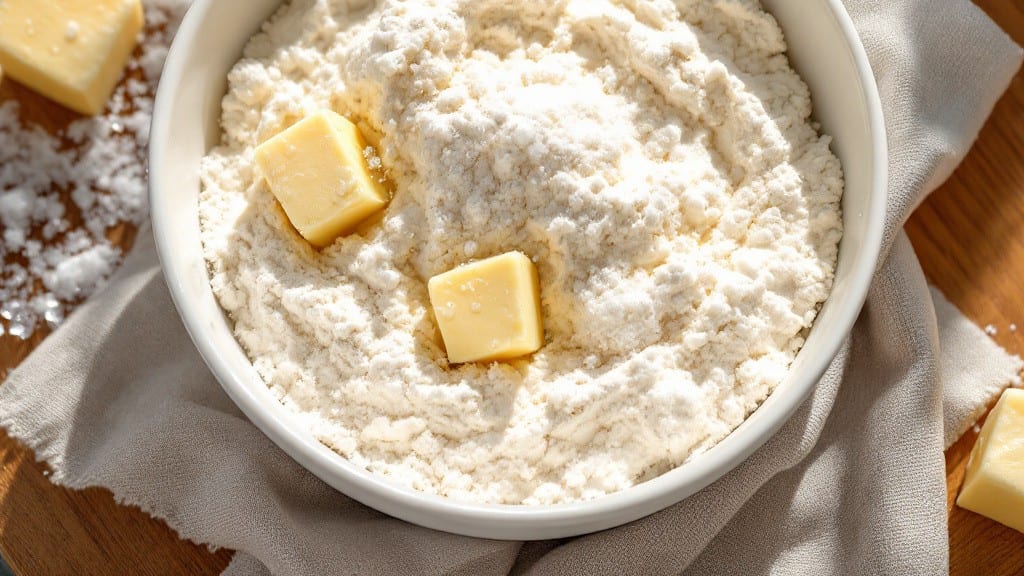
Betty Crocker's double pie crust recipe delivers the kind of flaky, golden perfection that makes every pie-worthy dessert shine. I've perfected this classic method over years of baking, ensuring each layer stays tender and crisp for hours—no soggy bottoms here.
The secret lies in precise technique and chilled dough that resists shrinking, even when pressed.
This recipe builds two delicate crusts that sandwich fillings beautifully, whether you're making classic apple pie or experimenting with sweet potato. The dough comes together with simple ingredients but requires patience—rolling and layering properly creates those signature flaky layers.
For best results, keep everything cold and work quickly to maintain the perfect texture.
What you'll achieve is a crust so tender it practically melts in your mouth while maintaining a crisp edge that holds up through baking. The pressed layers create a sturdy base that supports even heavy fruit fillings without losing structure.
This is the kind of crust that makes pie night feel like a special occasion every time.
Pair it with your favorite seasonal fillings or try modern twists like chocolate cream pie for a showstopping dessert. The versatility of this crust makes it perfect for both traditional and creative baking adventures. Let's get started on creating your perfect pie foundation.
Ingredients for betty crocker double pie crust
Five simple ingredients transform into two golden, flaky crusts perfect for any pie adventure.
| Ingredient | Amount | Notes |
|---|---|---|
| All-Purpose Flour 🌾 | 4 cups | Sifted for lighter texture |
| Unsalted Butter 🧈 | 1 cup | Cold, cubed, not melted |
| Ice Water 💧 | ½ cup | Chilled for proper binding |
| Fine Sea Salt 🧂 | 1 ½ tsp | Adjust to taste |
| Granulated Sugar 🍚 | 1 tbsp | Balances butter richness |
The butter is everything here—European-style if you can find it, but regular unsalted works too. Grab it from Whole Foods or your local grocery store's refrigerated section, where it stays colder longer. Keep those cubes frozen until you're ready to mix, then let them sit for 10 minutes before cutting into quarter-inch pieces. The flour? King Arthur or Gold Medal brands are my go-tos—they handle rolling better. And don't even think about skipping the sifting—it's what keeps your crust light and airy, not dense like a biscuit.
No ice water? Freeze a small ice cube tray and crush a few cubes—it's the secret to that perfect tender-but-crisp texture. Short on sugar? Skip it entirely if you're using sweet fillings, but add it back if you're making savory pies. The salt matters more than you'd think—Diamond Crystal is my favorite, but any fine sea salt works. Want to make this ahead? Shape the dough, wrap tightly in plastic, and refrigerate for up to 48 hours. The dough will actually improve as the flour absorbs more moisture over time.
This dough is a two-day project—plan accordingly. The first day is all about mixing and chilling; the second day is rolling and pressing. Store unused dough between layers of parchment paper in a sealed container for up to 3 days. For best results, let the chilled dough sit at room temperature for 10-15 minutes before rolling—it's less likely to crack. And here's a pro tip: Use a pie bird or crumpled foil to vent your pies, or they'll puff up like balloons in the oven.
Why You'll Love This Recipe
- No-Fuss Foundation: I swear by this crust for lazy days—just pulse flour, butter, and ice water in a food processor until it almost comes together. No rolling pins, no stress, and that buttery, flaky magic happens with minimal effort.
- Buttery Perfection: The cold butter cuts into tiny cubes, melting just enough to create layers so crisp they shatter like autumn leaves. Honestly, the sugar in the dough? It’s the secret—it caramelizes slightly for a touch of sweetness that pairs with anything.
- Double the Fun: Two crusts mean endless possibilities—sandwich it around your favorite filling, use one for a galette, or even bake them separately for crispy chips. Between us, I’ve turned these into handheld snacks for movie nights (yes, even on a Tuesday).
- Budget-Friendly Staple: Flour and butter are pantry basics, and this recipe stretches ingredients further than store-bought. Make a batch, freeze half, and thank me later when you’re whipping up pies for holidays, potlucks, or just because. It’s my go-to for stress-free baking.
Step-by-step instructions for Betty Crocker double pie crust recipe
Here's how to create two perfect pie crusts that stay flaky and golden all day long.
Mix Dry Ingredients for Perfect Texture
In a large mixing bowl, combine the 4 cups all-purpose flour, 1.5 teaspoons fine sea salt, and 1 tablespoon granulated sugar. Whisk everything together until you see no more flour streaks—this ensures even distribution of salt and sugar throughout the crust.
The sugar helps balance the butter's richness while preventing the crust from becoming too savory. I like to use a whisk for this step because it aerates the flour slightly, which creates a lighter texture in the final crust. If you're using a food processor later, skip the whisking—it'll mix everything when you pulse.
Cut in Cold Butter for Flaky Layers
Add the 1 cup unsalted butter, cut into ½-inch cubes, to the flour mixture. Using a pastry cutter or your fingers, work the butter into the flour until you have pea-sized crumbs with no large butter pieces remaining. This is crucial—those tiny butter pockets will melt during baking and create steam, resulting in that signature flaky texture.
Here's the thing—don't overwork the mixture. You want to keep as much cold butter as possible. If the dough starts to look shaggy, that's okay—just don't press it together. The cold butter is what gives you those beautiful flaky layers when baked.
Add Ice Water Gradually for Perfect Binding
Slowly pour in the ½ cup ice water, 1 tablespoon at a time, while mixing with a fork. Add only enough water to bring the dough together when pressed—you should be able to form a loose ball that holds together when lightly squeezed. If it's too crumbly, add a little more ice water. If it's too sticky, add a bit more flour.
The ice water is key here. Cold water prevents the butter from melting too soon, which keeps the crust tender. I always use ice water straight from the freezer—it gives me better control over the dough's consistency. Once the dough comes together, divide it into two equal portions for your double crust.
Chill the Dough for Easy Handling
Shape each portion into a disk about 1-inch thick, wrap tightly in plastic wrap, and refrigerate for at least 2 hours (or up to 2 days). This chilling step is non-negotiable—it firms up the butter, prevents shrinking when rolled out, and makes handling much easier. I like to flatten the disks slightly before wrapping to save space in the fridge.
While the dough chills, preheat your oven to 375°F. This gives you time to prepare your pie dish and get everything ready for rolling. The colder the dough, the easier it is to roll out without tearing. If you're in a hurry, you can chill the dough for 30 minutes in the freezer instead.
Roll and Transfer for Perfect Crusts
On a lightly floured surface, roll out one disk of dough to fit your 9-inch pie dish, keeping the center slightly thicker than the edges. This helps prevent a soggy bottom. Gently fold the edges up and transfer the crust to your pie dish, pressing it into the bottom and up the sides. Trim any excess dough hanging over the edge.
For the top crust, roll it out to about 12 inches in diameter. You'll want to leave some overhang for crimping later. Place the rolled-out top crust over the pie, leaving a ½-inch border all around. Trim any excess dough and save it for decorative edges or to patch any tears.
Blind Bake for Flaky Perfection
Line the bottom crust with parchment paper, fill it with dried beans or pie weights, and bake for 15 minutes at 375°F. Remove the weights and parchment, then bake for another 5-7 minutes until the edges are lightly golden. This pre-baking step, called blind baking, ensures your crust stays crispy even with wet fillings.
While the bottom crust bakes, brush the top crust with a bit of egg wash (1 egg beaten with 1 tablespoon water) for a golden finish. Once the bottom crust is ready, carefully transfer your filling, then place the top crust on your pie. Crimp the edges together with a fork or your fingers to seal, and cut a few slits in the top for steam to escape.
Bake to Golden Flaky Greatness
Bake the assembled pie at 375°F for 45-55 minutes, or until the top crust is golden brown and the filling is bubbly. The exact time depends on your filling—fruit pies might need less time than custard pies. For extra shine, brush the top crust with more egg wash after 20 minutes of baking.
When the pie is done, let it cool for at least 2 hours before slicing. This resting time allows the filling to set and prevents a runny mess. The result? Two perfect, flaky pie crusts that stay crisp at the edges and tender in the center, just like Betty Crocker intended.
Pro Tips For Making Betty Crocker Double Pie Crust
- CHILL THE BUTTER FIRST: Cut the unsalted butter into cubes and refrigerate for 30 minutes before mixing—this keeps it firm enough to create those flaky layers without turning into greasy mush. I learned this the hard way when my crust ended up more like a dense cookie than a tender flake.
- WEIGH THE FLOUR: Use a kitchen scale for the all-purpose flour—1 cup packed isn’t the same as 1 cup loosely scooped. The Betty Crocker recipe relies on precision, and even a tablespoon difference throws off the texture. (Yes, even if you’re impatient like me.)
- WORK FAST WITH ICE WATER: Keep your ice water in the freezer until you’re ready to mix—it melts slower, giving you more time to handle the dough without it turning gummy. I used to rush this step and ended up with a sticky, unworkable mess.
- REST THE DOUGH TWICE: Let the rolled-out crust rest for 15 minutes in the fridge before baking—this relaxes the gluten and prevents shrinking. For the second crust (if making a double), give it a 10-minute rest after rolling too. Skipping this makes the filling look like a volcano eruption.
Creative variations of this dish
Classic Apple Pie Twist
Swap the traditional apple filling for a spiced apple compote thickened with 2 tablespoons cornstarch instead of sugar. Simmer 4 cups peeled, sliced Granny Smith apples with ½ cup brown sugar, 1 tsp cinnamon, ¼ tsp nutmeg, and 1 tbsp lemon juice until syrupy.
This creates a glossy, less sweet filling that pairs perfectly with the buttery crust. 🍏
Savory Chicken Pot Pie
Use this crust for a rich chicken pot pie by combining 2 cups shredded rotisserie chicken, 1 cup creamy mushroom gravy, ½ cup frozen peas, and ¼ cup shredded cheddar.
Brush the top crust with 1 egg mixed with 1 tbsp milk before baking for extra shine. The flaky layers hold up beautifully to the hearty filling. 🍗
Sweet Potato Pecan Pie
Create a Southern-inspired twist by filling your double crust with 1.5 cups mashed sweet potatoes, 1 cup pecan pie filling (store-bought or homemade), and a vanilla bean swirl.
The crust's buttery richness complements the sweet potatoes' natural sweetness while the pecans add crunch. Bake at 350°F for 50 minutes for a caramelized top. 🌶️
Chocolate Cream Pie
For a decadent dessert, prepare a chocolate custard filling with 2 cups heavy cream, 4 oz dark chocolate, 3 egg yolks, and ½ cup sugar. Pour into the bottom crust, chill for 4 hours, then top with the second crust.
Brush the top with egg wash and bake at 375°F for 30 minutes. The contrast of crisp crust and creamy filling is unbeatable. 🍫
Herb-Crusted Quiche
Transform this into a savory breakfast quiche by mixing 6 eggs, 1 cup heavy cream, 1 cup shredded Gruyère, ½ cup chopped chives, and ¼ cup chopped spinach.
Pour into the bottom crust, top with the second crust, and bake at 375°F for 40-45 minutes. The flaky layers encase the creamy egg mixture perfectly. 🥚
Lemon Meringue Pie
For a bright, citrusy dessert, fill the bottom crust with 2 cups lemon curd (store-bought or homemade) and top with homemade meringue made from 3 egg whites, ½ cup sugar, and ½ tsp cream of tartar.
Bake the meringue at 350°F for 10-12 minutes until golden. The crust’s buttery flavor balances the tart lemon beautifully. 🍋
Nutrition facts
Frequently asked questions
Why does my double crust turn out dense instead of flaky?
The most common cause is warm butter or overworking the dough. Keep your butter cold (even frozen cubes work) and handle the dough minimally. Also, avoid pressing the butter into the flour—just work it until you see pea-sized crumbs. Overmixing releases gluten, which makes the crust tough instead of tender.
Can I make this crust ahead of time?
Shape the dough into disks, wrap tightly in plastic, and refrigerate for up to 48 hours. For longer storage, freeze the wrapped dough for 3 months. Thaw overnight in the fridge before rolling. The dough actually improves with time as the flour absorbs moisture, making it easier to handle.
What’s the best way to prevent a soggy bottom crust?
Blind bake the bottom crust for 15-20 minutes before adding filling. Use dried beans or pie weights to keep it from puffing up. For extra insurance, brush the baked bottom crust with a thin layer of egg white before adding your filling—it creates a barrier that keeps the crust crisp.
Can I substitute butter with shortening for a flakier crust?
Shortening works but changes the flavor—it’s more neutral and slightly waxy. For the same flakiness, use 1 cup shortening instead of butter, but expect a less rich taste. If you want the best of both worlds, try half butter, half shortening. The butter adds flavor while shortening improves flakiness in humid kitchens.
How do I fix a cracked or torn crust?
Patch small tears with leftover dough scraps or use a fork to crimp the edges tightly. For larger cracks, dampen the torn area with water and press it back together. If the crust is already in the pie dish, brush the cracks with egg wash and sprinkle with extra flour—the contrast will hide the damage. Most cracks won’t affect the final texture!