Desserts
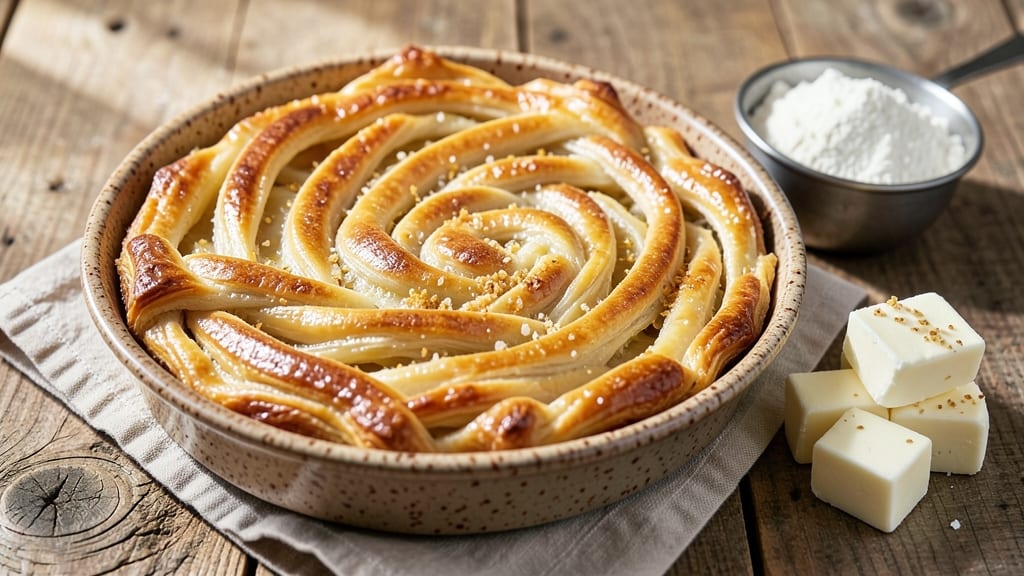
Betty Crocker's original pie crust recipe delivers the flaky, golden layers that make every pie worth baking. This timeless method has stood the test of generations, combining cold butter with precise technique to create a crust that stays perfect through baking.
I've perfected this recipe over years of baking, ensuring it never shrinks or turns tough—just tender, buttery perfection.
The secret lies in keeping everything cold and handling the dough minimally. Cold butter creates steam during baking, which puffs the layers into those signature flakes. We'll use a simple 5-ingredient approach with all-purpose flour, salt, and a touch of sugar to balance the flavors.
This crust works equally well for classic fruit pies, savory pot pies, or even quiches.
By the time you're done, you'll have a pie crust so light and crisp it practically melts in your mouth. The key is patience—chilling the dough between steps prevents shrinking, and baking at the right temperature ensures even browning.
Whether you're a beginner or a seasoned baker, this method delivers professional results every time.
Pair it with your favorite fillings, from apple and cherry to chicken pot pie. The versatility of this crust makes it the foundation for countless desserts and savory dishes. Let's get started on creating the perfect pie crust from scratch."
Ingredients for betty crocker original pie crust
Five simple ingredients transform into the flakiest pie crust you'll ever bake.
| Ingredient | Amount | Notes |
|---|---|---|
| All-Purpose Flour 🌾 | 2 ½ cups | Unbleached preferred for lighter texture |
| Unsalted Butter 🧈 | 1 cup | Cold, cubed, unsalted preferred |
| Ice Water ❄️ | ½ cup | Chilled for best results |
| Granulated Sugar 🍚 | 1 tbsp | Balances butter flavor |
| Salt 🧂 | ½ tsp | Fine sea salt preferred |
The butter is the game-changer here—cold, cubed butter creates those signature flakes. Grab the coldest butter from your fridge, cut it into 1/2-inch cubes, and keep it that way until it hits the dough. European-style butter like Plugrá or Land O'Lakes works best—higher fat content means more flakiness. If you only have salted butter, reduce the added salt to 1/4 tsp. The flour? King Arthur or Bob's Red Mill are my go-tos—they're consistent and give great results. Don't sift it though; just spoon it into the bowl and let the clumps break up naturally.
No ice water? Cold water from the tap works fine—just let it sit in the fridge for 10 minutes first. Want to make it ahead? Freeze the dough disc for up to 3 months—thaw in the fridge overnight before rolling. Short on sugar? Skip it entirely, but the 1 tbsp adds just enough sweetness to balance the butter. The salt is non-negotiable though—it enhances all the flavors. For a lower-fat version, swap half the butter for vegetable shortening, but you'll lose some of that buttery flavor. The dough should be just shy of coming together—if it's too sticky, add 1 tsp more flour.
This dough keeps 3-4 days in the fridge wrapped tightly in plastic. For longer storage, freeze the disc (unwrapped) on a tray, then transfer to a bag for up to 3 months. Thaw overnight in the fridge before using. The key to perfect flakes? Keep everything cold—chill the dough between steps, and don't be tempted to rush the chilling time. The crust reheats beautifully too—just cover with foil and warm at 350°F for 10 minutes. Perfect for pot pies or quiches the next day.
Why You'll Love This Recipe
- Foolproof in Minutes: I swear by this crust because it’s the only one that never falls apart on me—just mix cold butter into flour until it looks like coarse crumbs, then add ice water one tablespoon at a time. No food processor, no stress, and no waiting for dough to rest.
- Buttery Crisp Magic: That touch of sugar in the dough? It’s not just for looks—it caramelizes just enough to give every bite a subtle sweetness that pairs perfectly with both sweet and savory fillings. Honestly, the flaky layers with that golden edge? Chef’s kiss.
- Pantry Staple Power: Between us, this crust is my secret weapon for everything from apple pie to chicken pot pie. The same dough works for holidays, weeknight dinners, or even a last-minute dessert when you’re desperate for something homemade.
- Budget-Friendly Perfection: With just five ingredients—most of which you already have—this crust costs pennies per serving. Plus, any leftovers? Roll them out again the next day for hand pies or turnovers. Zero waste, all flavor.
Step-by-step instructions for betty Crocker's original pie crust recipe
Here's how to create that legendary flaky, golden crust—every layer perfect and foolproof!
Cut and Chill the Cold Butter
Take the 1 cup unsalted butter from the refrigerator and cut it into ¼-inch cubes using a sharp chef's knife. Place them in a freezer-safe bag and freeze for 15 minutes—this ensures they stay rock-hard when you work with them. Cold butter is the secret to those signature flaky layers.
While the butter chills, measure out the 2.5 cups all-purpose flour into a large mixing bowl. Add the 1 tablespoon granulated sugar and ½ teaspoon salt, then whisk together until evenly combined. This dry mixture is your foundation—keep it ready for the next step.
Mix Dry Ingredients with Butter Until Crumbly
Remove the frozen butter cubes from the freezer and add them to the flour mixture. Using your fingertips or a pastry cutter, work the butter into the flour until you reach a coarse crumb texture—think pea-sized chunks of butter surrounded by flour. This takes about 2-3 minutes of gentle tossing and pressing.
Be careful not to overwork the dough—just until the mixture resembles wet sand. The goal is to coat each butter cube with flour so they'll melt slowly during baking, creating those signature flaky layers. If the mixture starts to stick, dip your fingers in ice water as needed to keep things moving smoothly.
Gradually Add Ice Water for Perfect Dough
Pour the ½ cup ice water into a small measuring cup or liquid measuring cup. Begin adding the ice water 1 tablespoon at a time to the flour-butter mixture, using a fork to gently stir after each addition. The dough will come together when it forms a shaggy mass that holds when pressed.
Stop adding water as soon as the dough clumps together—you want it to be just slightly sticky but not wet. Overworking or adding too much water will make the crust tough. Press the dough into a 1-inch thick disc, wrap it tightly in plastic wrap, and refrigerate for at least 1 hour (or up to 24 hours). This resting period relaxes the gluten and firms up the fat for perfect baking.
Roll Out and Shape the Crust
On a lightly floured surface, roll the chilled dough into a 12-inch circle, about ⅛-inch thick. The dough should be cold and firm—if it's too soft, refrigerate it for another 10-15 minutes. Gently transfer the rolled crust to a 9-inch pie dish, trimming any uneven edges with a sharp knife. Press the crust into the dish, letting it extend ½ inch up the sides—this prevents shrinking during baking.
For a double-crust pie, roll out the remaining dough and place it over the filling. Crimp the edges together by pinching with your fingers or using a fork to create a decorative pattern. Cut a few vent holes in the top crust to allow steam to escape—this prevents a soggy bottom.
Blind-Bake for Perfect Results
Preheat your oven to 375°F. For a bottom crust, line it with parchment paper, fill with pie weights or dried beans, and bake for 15 minutes. Remove the weights and bake for another 5-7 minutes until the edges are light golden brown. For a double crust, bake until the top is golden and puffed—about 25-30 minutes.
This blind-baking step ensures your crust stays crisp and flaky even with wet fillings. The parchment prevents sogginess, while the weights keep the crust from puffing up. Once baked, let the crust cool slightly before adding your filling—this prevents melting and ensures clean slices every time.
Pro Tips For Making Betty Crocker Original Pie Crust
- Chill the Butter First: The recipe calls for cold butter, but "cold" isn’t the same as "frozen." Cut the butter into ¼-inch cubes and refrigerate them for 20-30 minutes before mixing—this keeps the dough from getting gummy when you add ice water. I learned this the hard way after making a shapeless mess from butter that was too soft.
- Use Ice Water Sparingly: The recipe says "ice water," but don’t drown the dough. Start with 3 tablespoons and add 1 tablespoon at a time—you want the dough to just hold together when pressed, not stick to your fingers. Too much water makes the crust tough, and no one wants a brick for dessert.
- Skip the Overworking: Once the dough comes together, handle it like it’s a baby bird—gently. Mix just until the flour is incorporated, then stop. Overworking develops the gluten, and you’ll end up with a chewy, sad pie crust instead of the flaky layers you’re after.
- Press the Crust Evenly: Don’t press the dough straight down—roll it out first, then fold it in half and press it into the pie dish. This prevents cracking and ensures an even thickness. Press the dough gently but firmly, and resist the urge to press all the way to the edges—it’ll shrink during baking.
Best sauces and condiments for this dish
Classic Fruit Fillings
Apple pie is the ultimate pairing—use 6-8 cups peeled, thinly sliced apples (I love Granny Smith for tartness or Honeycrisp for sweetness) tossed with ⅓ cup sugar, 2 tbsp lemon juice, and 1 tsp cinnamon.
For cherry pie, pit 4 cups fresh or frozen cherries and mix with ½ cup sugar and 1 tbsp cornstarch to thicken. Always pre-cook fruit fillings to remove excess liquid before adding to the crust. 🍎
Savory Pot Pie Magic
Transform this crust into a hearty pot pie by combining 2 cups cooked chicken or turkey, 1 cup mixed vegetables (carrots, peas, corn), and 1 cup creamy gravy made with 2 tbsp butter, 2 tbsp flour, and 1 cup milk.
Season with ½ tsp thyme and ¼ tsp black pepper. Blind-bake the bottom crust, add filling, then top with the second crust for a golden, flaky finish. 🍗
Creamy Quiche Perfection
For a rich quiche, whisk 4 eggs, 1 cup heavy cream, ½ cup grated Gruyère cheese, and ¼ cup chopped spinach (or bacon for a savory twist). Pour into a pre-baked crust and bake at 375°F for 30-35 minutes until set.
Add diced ham or mushrooms for extra flavor. The crust's buttery richness balances the creamy filling beautifully. 🧀
Sweet Condiment Pairings
Drizzle warm pies with vanilla ice cream or whipped cream for a classic finish. For adult desserts, add a dollop of caramel sauce or a sprinkle of crushed pecans.
A dusting of powdered sugar elevates fruit pies instantly. For savory pies, serve with sharp cheddar cheese or a side of sour cream to cut through richness. 🍯
Glaze for Extra Shine
Brush the baked crust with a simple glaze made from 2 tbsp powdered sugar and 1 tbsp milk for a glossy finish. For a citrus twist, add ½ tsp lemon zest to the glaze.
This adds sweetness and makes the crust look restaurant-worthy. Apply the glaze just before serving to keep it shiny. ✨
Nutrition facts
Frequently asked questions
Why does Betty Crocker's original pie crust recipe use cold butter?
The cold butter creates steam during baking, which puffs the layers into those signature flaky textures. Keeping the butter rock-hard ensures it melts slowly, creating separation between the dough layers. If you use warm butter, the crust will turn tough instead of flaky.
Can I substitute shortening for butter in this recipe?
Yes, but expect a different texture. Shortening makes the crust more stable at high heat, reducing flakiness but increasing crispness. For a 1:1 swap, use ½ cup butter + ½ cup shortening. This works well for pot pies where extra stability helps. The crust will be less tender but still delicious.
What's the best way to prevent a soggy bottom in fruit pies?
Always blind-bake the bottom crust for 15 minutes with pie weights before adding filling. For extra insurance, brush the baked crust with a thin layer of egg wash (1 egg beaten with 1 tbsp water) to create a moisture barrier. Pre-cooking fruit fillings also reduces excess liquid.
How do I fix a cracked or shrinking crust?
Cracks usually happen when the dough isn't chilled enough. Press the cracked edges together gently and bake at 350°F for 5-10 extra minutes to set them. For shrinking, ensure your dough rests at least 1 hour in the fridge before rolling. If it's already in the oven, cover with foil to prevent further shrinking.
Can I make this crust ahead of time?
Wrap the dough disc tightly in plastic and refrigerate for up to 4 days or freeze for 3 months. Thaw overnight in the fridge before using. For pre-baked crusts, freeze them on a tray before transferring to a bag. Reheat at 350°F for 10 minutes covered with foil before adding fillings.