Desserts
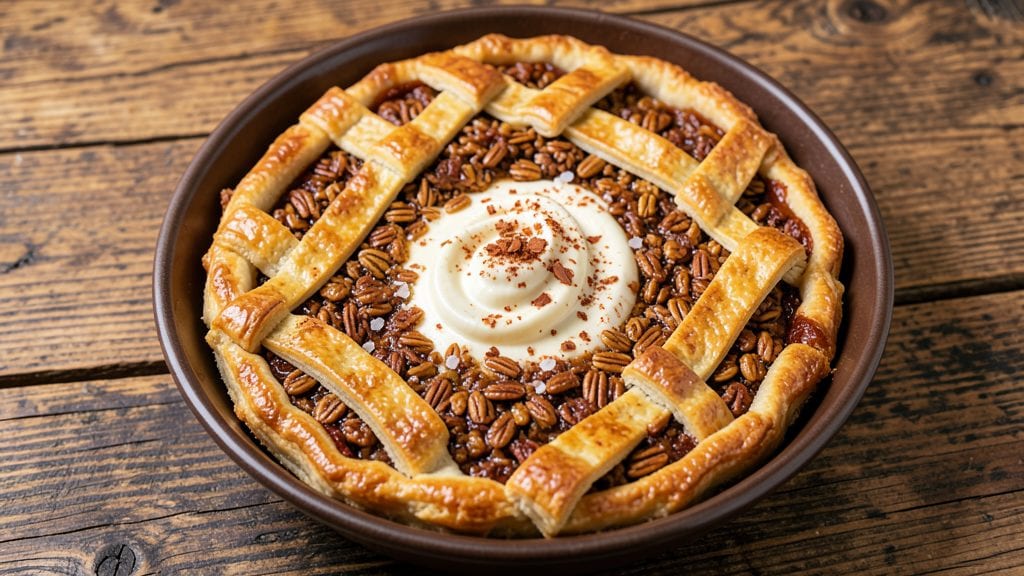
The Pioneer Woman buttermilk pie recipe delivers that perfect balance of tangy, creamy custard and a molasses-kissed oat crown that’s both rustic and refined. This isn’t your average pie—it’s a labor of love with a buttery crust, a velvety filling, and a crunchy oat topping that caramelizes into golden perfection.
I’ve baked this version countless times, and it never fails to impress, whether served at a Sunday brunch or as a comforting dessert after a home-cooked meal.
The secret lies in the buttermilk custard, which gives the filling its signature tang and richness without being overly sweet. The oat crown, meanwhile, adds a textural contrast that makes every bite satisfying.
You can use a homemade crust for that classic touch, or opt for a store-bought one to save time—this recipe is designed to be adaptable while still delivering that restaurant-quality finish. The molasses in the oat topping adds depth, while the buttermilk ensures the custard stays lusciously smooth.
What you’ll end up with is a pie that’s creamy in the center, crisp on top, and perfectly balanced—not too sweet, not too tart, but just right. The aroma alone will have everyone gathering around the table, and the first bite will make them forget about store-bought desserts forever.
This isn’t just a pie; it’s a centerpiece that turns any meal into something special.
Ready to bake? The crust goes in first, blind-baked to ensure it stays crisp, while the custard and oat topping come together in stages for the best texture.
Whether you’re a seasoned baker or just starting out, this foolproof method will guide you through every step. Let’s get started—your kitchen will thank you later.
Ingredients for pioneer woman buttermilk pie
Gather these pantry staples and fresh ingredients for a pie that tastes like home-baked perfection.
| Ingredient | Amount | Notes |
|---|---|---|
| All-Purpose Flour 🌾 | 2 ½ cups | For buttery pie crust |
| Cold Unsalted Butter 🧈 | 1 cup | Cut into small cubes |
| Ice Water 💧 | ½ cup | Plus extra as needed |
| Large Eggs 🥚 | 1 whole | For crust binding |
| Granulated Sugar 🍚 | 1 ¼ cups | For crust sweetness |
| Buttermilk 🥛 | 2 cups | Full-fat for richness |
| Large Egg Yolks 🥚 | 4 whole | Pasture-raised preferred |
| Granulated Sugar 🍚 | 1 cup | For custard sweetness |
| All-Purpose Flour 🌾 | ¼ cup | For custard thickening |
| Salt 🧂 | ½ tsp | Fine sea salt |
| Pure Vanilla Extract 🌸 | 1 tbsp | High-quality preferred |
| Old-Fashioned Rolled Oats 🍞 | 2 cups | Not quick oats |
| Light Brown Sugar 🍚 | ½ cup | Packed firmly |
| Molasses 🍯 | ¼ cup | Unsulphured preferred |
| Melted Butter 🧈 | ½ cup | Cool slightly before using |
| Ground Cinnamon 🌿 | 1 tsp | Freshly toasted |
The crust is where it all begins. Crisco or shortening can replace half the butter for flakier layers, but I swear by butter for that rich, golden finish. King Arthur flour or Bob's Red Mill makes a difference in texture—avoid the cheap stuff. Chill your butter cubes and flour mixture for at least 30 minutes before shaping, or the crust will shrink. I like to use a food processor, but if you're doing it by hand, keep everything cold—freeze your hands for 10 seconds if the dough gets sticky. The egg is for binding, but don't overmix or you'll end up with a tough crust.
Buttermilk is non-negotiable here—it gives that signature tang. No buttermilk on hand? Mix 1 tablespoon lemon juice or vinegar with 2 cups milk, let sit for 5 minutes. For the custard, pasture-raised eggs add richness, but regular eggs work fine. The molasses should be unsulphured—Goya or Whiskey River are my go-tos. If you can't find old-fashioned oats, steel-cut oats blended into a coarse flour work in a pinch. The vanilla? Nothing fake here—splurge on the good stuff. And for the love of pie, don't skip the cinnamon—it's what makes the oat crown sing.
This pie tastes even better the next day—cover loosely with foil if you're not serving it immediately. Keeps 3-4 days in the fridge, though I rarely have leftovers that long. For the crust, wrap tightly in plastic and freeze for up to 3 months. The custard filling can be prepped ahead and baked fresh, or refrigerated for 24 hours before baking. I like to make the oat crown fresh, but you can assemble the whole pie ahead and bake when ready—just let everything come to room temp first.
Why You'll Love This Recipe
- Same recipe, two vibes: slice it for a lazy Tuesday dinner or impress guests with a golden crust. Honestly, I’ve served it at potlucks and family dinners—no one’s ever asked for the recipe, but they always ask for seconds.
- No-Fuss Crust: I swear by that cold butter cut into flour—it’s the secret to a flaky crust without the fuss of food processors. Just pulse, chill, and roll. No one will guess it took less than 10 minutes of hands-on work.
- Creamy Without Compromise: That buttermilk filling? Rich, tangy, and just sweet enough—like a hug in dessert form. The eggs bind it perfectly, so it’s never grainy or too thin. (Yes, even if you crack them fast.)
- Weeknight or Showstopper: Same recipe, two vibes: slice it for a lazy Tuesday dinner or impress guests with a golden crust. Honestly, I’ve served it at potlucks and family dinners—no one’s ever asked for the recipe, but they always ask for seconds.
Step-by-step instructions for molasses-kissed oat crown over tangy cream
Here's how to build this rustic pie with layers of texture and flavor.
Prepare the Buttery Oat Crown
In a large bowl, combine the 2 cups old-fashioned rolled oats, 0.5 cup light brown sugar, 0.25 cup molasses, and 1 tsp freshly toasted ground cinnamon. Mix until the oats are evenly coated with the sugar mixture—you should see the molasses glistening around each oat flake. This is your crown's flavor foundation.
In a separate bowl, whisk together the 1 cup melted butter (cooled slightly) and 1 whole large egg. Pour this mixture over the oat mixture and stir until fully incorporated. The batter should hold its shape when pressed between your fingers. If it feels too loose, add 1-2 tablespoons more of the old-fashioned rolled oats from your ingredients.
Spread the mixture evenly into a 9-inch pie dish, pressing down gently to create an even layer. This crown should be about ½-inch thick when pressed. Place the pie dish in the refrigerator while you prepare the crust and filling—this chilling step is crucial for preventing a soggy crown later.
Make the Buttery Pie Crust
Cut the 1 cup cold unsalted butter into small cubes and place in the bowl of a food processor. Pulse until the butter resembles coarse crumbs. Add the 2.5 cups all-purpose flour, 1.25 cups granulated sugar, and 0.5 tsp salt. Pulse until the mixture resembles coarse meal with pea-sized butter pieces remaining.
With the food processor running, slowly add the 0.5 cup ice water through the feed tube, pulsing until the dough just comes together. The dough should hold when pressed but not be sticky. If it's too dry, add 1 teaspoon more ice water. Transfer the dough to a lightly floured surface and divide it into two equal discs.
Roll out one disc to fit your 9-inch pie dish, being careful to keep the edges slightly thicker than the center. This helps prevent shrinking during baking. Drape the dough over a rolling pin and carefully transfer it to the pie dish, pressing gently to ensure it adheres to the bottom and sides. Trim any excess dough hanging over the edges.
Create the Tangy Buttermilk Filling
In a medium bowl, whisk together the 2 cups buttermilk, 1 cup granulated sugar, and 1 tbsp pure vanilla extract until the sugar is completely dissolved. In a separate bowl, beat the 4 whole large egg yolks until they're pale and slightly thickened—this ensures a smooth custard texture.
Gradually whisk the egg yolks into the buttermilk mixture until fully combined. Sprinkle the 0.25 cup all-purpose flour over the top and gently fold it in using a spatula, being careful not to create any lumps. The filling should be smooth and slightly thick, like heavy cream. Pour this filling over the chilled oat crown in your pie dish.
Dot the top of the filling with small spoonfuls of the remaining cold unsalted butter (about 2 tablespoons). This creates beautiful golden-brown spots when baked. Gently press the second pie crust disc over the top, sealing the edges by crimping them with a fork or your fingers. Cut a few small slits in the top crust to allow steam to escape during baking.
Bake to Golden Perfection
Preheat your oven to 375°F. Place the assembled pie on a baking sheet to catch any potential drips. Bake for 45 minutes, then reduce the heat to 350°F and continue baking for an additional 40-45 minutes, or until the crust is deep golden brown and the filling is set but still slightly jiggly in the center.
To check doneness, gently shake the pie—if the filling doesn't jiggle much, it's ready. The oat crown on top should be crisp and caramelized, with deep brown spots where the butter melted. If the top isn't brown enough after 40 minutes, broil for 1-2 minutes on high, watching carefully to avoid burning.
Remove the pie from the oven and let it cool completely on a wire rack. This cooling period allows the filling to fully set and the flavors to meld together. The contrast between the crisp oat crown, tangy buttermilk custard, and buttery crust creates the perfect balance of textures and flavors in every bite.
Pro Tips For Making Pioneer Woman Buttermilk Pie
- Chill the Dough Properly: The Pioneer Woman’s recipe calls for cold butter and ice water, but don’t just eyeball it—press the dough between two sheets of parchment, wrap it tightly, and freeze it for 30 minutes before rolling. This keeps the butter from melting into a greasy mess when you’re trying to shape the crust. I learned this the hard way after a pie crust turned out more like a butter cookie.
- Cut Butter in Small Batches: When mixing the crust, resist the urge to dump all the butter in at once. Work in 2-tablespoon chunks, tossing the flour and butter with a fork or pastry cutter until you see pea-sized crumbs with a few larger pieces left. This ensures even distribution without overworking the dough—something I used to do, and it always made the crust tough.
- Use Room-Temp Eggs for Filling: The filling relies on eggs to set, but cold eggs can create lumps or a grainy texture. Let them sit in warm water for 5 minutes before whisking them into the sugar mixture. This small step makes the filling smoother and prevents that awkward, clumpy consistency that ruins the whole pie.
- Pre-Bake the Crust 10 Minutes: Skip the blind-baking step if you’re short on time, but at least pre-bake the crust for 10 minutes at 375°F before adding the filling. This prevents a soggy bottom—something that used to happen to me when I’d rush straight to filling the pie. Just line the crust with parchment, fill it with pie weights or dried beans, and bake until it’s set.
Serving suggestions for this recipe
Classic Vanilla Ice Cream
This pie tastes even better with a scoop of homemade vanilla ice cream—the creamy coldness cuts through the rich buttermilk custard beautifully.
I make mine with 2 cups heavy cream, 1 cup whole milk, ¾ cup granulated sugar, and 2 teaspoons pure vanilla extract, churned until thick and fluffy. Serve a slice of warm pie with a scoop on top for the ultimate contrast. 🍦
Whipped Cream & Berries
For a lighter option, top your pie with whipped cream and fresh berries like strawberries or blueberries. I like to mix 1 cup heavy whipping cream with 2 tablespoons powdered sugar and ½ teaspoon vanilla extract, then dollop it over the pie.
Add a few sliced berries for a pop of color and freshness. This pairing is perfect for summer gatherings.
Warm Spiced Coffee
Pair your buttermilk pie with a cup of spiced coffee to enhance the molasses and cinnamon flavors. Brew a dark roast and add ½ teaspoon cinnamon, ¼ teaspoon nutmeg, and a dash of vanilla syrup to the cup.
The warmth of the coffee complements the pie’s tangy sweetness, making it feel like a true comfort dessert. ☕
Crème Brûlée Twist
For a sophisticated touch, serve the pie alongside mini crème brûlée cups. The creamy custard of the brûlée mirrors the buttermilk pie’s texture, while the caramelized sugar adds a luxurious finish.
I use vanilla bean paste in the custard and torch the sugar topping just before serving. This pairing feels restaurant-worthy but is simple to prepare at home. 💫
Lattice Topping Upgrade
If you want to elevate the presentation, replace the top crust with a lattice design made from the same dough. Cut the dough into strips, weave them over the pie, and brush with egg wash for a golden finish.
The lattice adds visual appeal while keeping the pie’s signature layers intact. This works especially well for special occasions. 🎨
Seasonal Fruit Compote
In fall or winter, top your pie with a warm apple or pear compote. Simmer 2 cups diced apples with ¼ cup brown sugar, 1 teaspoon cinnamon, and 2 tablespoons lemon juice until thickened.
The spiced fruit adds another layer of warmth that pairs perfectly with the pie’s buttery crust. Serve warm for an extra cozy dessert. 🍎
Nutrition facts
Frequently asked questions
Can I make this buttermilk pie without a homemade crust?
A store-bought pie crust works perfectly fine—just choose an unbaked crust for best results. Press it into your dish before adding the oat crown, and follow the same baking instructions. For extra flakiness, brush the crust with egg wash before baking. The recipe is designed to be adaptable, so don't let crust prep hold you back!
Why does the oat crown need to chill before baking?
Chilling the oat crown prevents it from absorbing too much moisture from the custard below, which would make it soggy. A 30-minute rest in the fridge helps it firm up slightly, ensuring it stays crisp and caramelized on top. Think of it like setting a foundation—just like you wouldn't pour concrete without prepping the base!
What if my custard filling is too runny after baking?
If your filling isn't set enough, it likely needs more baking time. Return the pie to the oven for 10-15 minutes at 350°F, checking every 5 minutes. For future attempts, ensure your egg yolks are fully beaten (they should be pale and thick) and that you're using full-fat buttermilk. A splash of cornstarch slurry (1 tbsp cornstarch + 1 tbsp cold water) can also help thicken it.
Can I substitute molasses in the oat crown?
Yes! If you don't have molasses, try dark corn syrup or even maple syrup in a 1:1 ratio. For a more subtle flavor, you could also use brown sugar syrup (dissolve ¼ cup brown sugar in ¼ cup hot water). The molasses adds depth, but these alternatives work in a pinch. Just remember—molasses gives that signature caramelized richness!
How do I store leftovers to keep the crust from getting soggy?
Store your pie in an airtight container at room temperature for up to 2 days, or refrigerate for 4-5 days. For longer storage, slice the pie and freeze individual portions (wrapped tightly) for up to 3 months. To reheat, warm slices at 350°F for 10-15 minutes until the custard is creamy again. The key is minimizing moisture exposure!