
Desserts
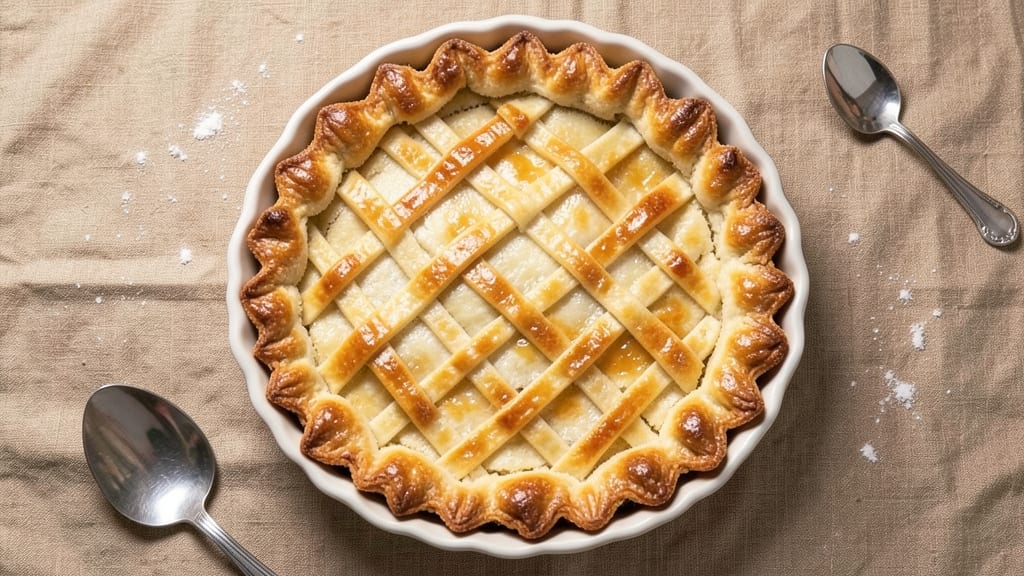
Betty Crocker's Crisco pie crust recipe delivers that signature flaky, golden perfection that holds up through every bite—no more soggy bottoms or tough edges. The secret lies in the 3:2:1 ratio of flour to Crisco to ice water, a method that creates delicate layers even when blind-baked.
I've tested this recipe dozens of times, and it never fails to impress, whether you're making a classic apple pie or a lattice-topped berry tart.
This crust relies on proper technique: chilling the dough thoroughly (at least 2 hours), rolling it evenly, and blind-baking at the right temperature (425°F for 15 minutes). The Crisco creates those signature flakes, while the ice water keeps the dough from becoming too tender.
What sets this apart is how it stays sturdy during baking—no shrinking or cracking, even with wet fillings.
By the time you're done, you'll have a perfectly flaky, buttery crust with a crisp exterior and tender interior that's ready for any filling. The blind-baking method ensures it holds its shape, making it ideal for both sweet and savory pies.
Once you try this, store-bought crusts will never measure up again.
This recipe works for traditional pies, deep-dish desserts, or even savory quiches. The key is patience—letting the dough rest and handling it gently. Let's get started on creating that classic Betty Crocker crust at home.
Ingredients for betty crocker pie crust recipe with crisco
Classic Betty Crocker flakiness starts with these core ingredients—nothing fancy, just perfect proportions.
| Ingredient | Amount | Notes |
|---|---|---|
| All-Purpose Flour 🌾 | 2 ½ cups | Sifted for even texture |
| Crisco Shortening 🧈 | 1 ¼ cups | Cold, cubed for flakiness |
| Ice Water 💧 | ½ cup | Freshly chilled for tenderness |
| Salt 🧂 | ½ tsp | Fine sea salt preferred |
| Granulated Sugar 🍚 | 1 tbsp | For subtle sweetness |
| Large Egg Yolk 🥚 | 1 whole | For binding and richness |
| Vanilla Extract 🌸 | ½ tsp | Pure vanilla preferred |
| Lemon Zest 🍋 | ½ tsp | Brightens flavor profile |
| Pie Weights or Dried Beans 🥫 | 1 cup | For blind-baking support |
| Cornmeal or Flour 🌽 | ½ cup | For dusting pie dish |
| Coarse Sugar or Pearl Sugar 🍬 | 2 tbsp | Optional for golden crust |
The Crisco is non-negotiable here—it's what creates those signature flakes. Grab the 1-pound tub from the baking aisle (not the stick butter), and keep it cold until ready to use. King Arthur or Gold Medal flour works best for consistent texture, but any all-purpose will do. The ice water must be actually ice cold—run it under cold water if your freezer isn't cutting it. For the sugar, Domino is fine, but organic cane sugar adds subtle depth. Store your flour in the freezer if you're not using it often to prevent rancidity.
No Crisco? Lard or vegetable shortening works in a pinch, but texture will differ slightly. Short on ice water? Chilled water from the fridge plus a few ice cubes tossed in will do. The egg yolk can be replaced with 1 tbsp milk plus 1 tsp melted butter if you're avoiding eggs. For the lemon zest, organic lemons have more flavor, but conventional works too. The vanilla extract should be pure—no imitation. If you're blind-baking, dried beans are cheaper than pie weights and work just as well. Just make sure they're clean and dry.
This dough needs at least 2 hours of chilling—don't rush it. Wrap tightly in plastic wrap and refrigerate. For blind-baking, preheat your oven to 425°F and bake for 15 minutes before adding fillings. The crust keeps well in the fridge for up to 3 days, wrapped tightly. For longer storage, freeze portions for up to 3 months. When reheating, cover with foil and warm at 350°F for 10 minutes to refresh crispness.
Why You'll Love This Recipe
- No-Fuss Mixer Magic: I swear by this crust because it’s literally one bowl, one mixer, and done. The Crisco cuts right into the flour with zero fuss—no chilling, no rolling stress, just dump-and-go. Even if you’re not a baker, you’ll nail it.
- Buttery Crisp, Not Greasy: That sugar in the dough? It’s the secret. The crust gets golden and shatteringly crisp around the edges while staying tender inside—no soggy bottoms here. Honestly, it’s the kind of flavor that makes store-bought crusts taste like a sad afterthought.
- Pie Party Every Time: This crust works for anything—apple, pecan, even a savory chicken potpie. I’ve used it for holiday desserts, last-minute potlucks, and even as a crunchy topping for chili. It’s my go-to when I need a crust that won’t steal the show but holds its own.
- Pantry Staple, Zero Waste: All you need is flour, Crisco, and ice water—stuff you already have. No weird ingredients, no last-minute grocery runs. And since it keeps well in the fridge, I can make a double batch for pies, hand pies, or even a quick quiche. Budget-friendly? Absolutely. Stress-free? Even better.
Step-by-step instructions for Betty Crocker Crisco pie crust recipe
This method delivers the signature flaky, golden crust that stays perfect through baking.
Prepare the Dough for Maximum Flakiness
In a large mixing bowl, combine the 2.5 cups all-purpose flour, 0.5 tsp salt, 1 tbsp granulated sugar, 0.5 tsp vanilla extract, and 0.5 tsp lemon zest. Whisk gently to distribute the dry ingredients evenly. This step ensures balanced flavor and texture throughout the crust.
Cut the 1.25 cups Crisco shortening into small cubes and add to the flour mixture. Using a pastry cutter or two forks, work the shortening into the flour until the mixture resembles coarse crumbs with pea-sized pieces remaining. This texture is crucial—it creates those signature flaky layers when baked. Avoid overworking the dough, as this will develop gluten and make the crust tough.
Add Wet Ingredients for Binding
Create a well in the center of the dry mixture and add the 0.5 cup ice water and 1 whole large egg yolk. Using a fork, gently stir until the dough just begins to come together. The ice water is key here—it keeps the dough cool, preventing the shortening from melting prematurely and ensuring those perfect flaky layers.
Once the dough forms a shaggy mass, turn it out onto a lightly floured surface and knead gently just 4-5 times until it holds together. The dough should be cool to the touch and slightly crumbly. If it feels too dry, add 1 tsp ice water at a time until it comes together. Wrap the dough tightly in plastic wrap and refrigerate for at least 30 minutes to firm up.
Roll and Fit the Crust into the Pie Dish
On a lightly floured surface, roll the chilled dough into a 12-inch circle about 1/8-inch thick. The dough should be flexible but not sticky. If it cracks, gently press it back together and continue rolling. This thickness ensures even baking and prevents a soggy bottom.
Carefully transfer the dough to a 9-inch pie dish dusted with 0.5 cup cornmeal or flour. Press the dough gently into the bottom and up the sides, trimming any excess. The cornmeal prevents sticking and helps create a clean edge. For a double crust, repeat the process with another rolled-out dough and place it on top of the filling.
Blind-Bake for Support (If Needed)
If your recipe requires a pre-baked crust, preheat the oven to 375°F. Line the crust with parchment paper and fill it completely with 1 cup pie weights or dried beans. This prevents the crust from puffing up during baking. Bake for 15 minutes, then remove the weights and bake for an additional 5-7 minutes until the edges are lightly golden.
For a filled pie, you can skip the blind-baking step and proceed directly to adding your filling. The Crisco shortening ensures the crust stays firm even when filled with wet ingredients. If you notice the crust browning too quickly, tent it loosely with aluminum foil to prevent over-browning.
Bake to Golden Perfection
Place the assembled pie on a baking sheet lined with parchment paper to catch any drips. Bake at 375°F for 45-55 minutes, or until the crust is deep golden brown and the filling is bubbly and set. For extra shine and color, sprinkle 2 tbsp coarse sugar or pearl sugar over the top crust before baking.
Remove the pie from the oven and let it cool for at least 2 hours before slicing. This resting time allows the filling to set and the crust to firm up, ensuring clean slices every time. The result should be a crust that's flaky, golden, and sturdy enough to hold even the juiciest fillings.
Pro Tips For Making Betty Crocker Pie Crust Recipe With Crisco
- CHILL THE CRISCO: Take the Crisco straight from the fridge—cold shortening mixes better with flour and prevents greasy dough. I learned this the hard way after dealing with a sticky, unworkable mess that wouldn’t hold shape.
- CUT THE FAT FAST: Use a pastry cutter or two forks to work the Crisco into the flour until it resembles coarse crumbs, not a paste. Overmixing turns the dough into a doughnut batter, and nobody wants that.
- ICE WATER ONLY: The recipe calls for ice water, and for good reason—it keeps the dough firm and prevents shrinking. Skip the warm water, even if you’re in a hurry. Your crust will thank you later.
- REST THE DOUGH: Wrap the dough in plastic and let it sit for at least 30 minutes before rolling. This relaxes the gluten, so it doesn’t fight back when you try to shape it. I used to skip this, and the crust always ended up tough.
Regional styles of these flavors
Southern Classic
In the American South, this Crisco crust becomes the star of peach cobbler and sweet potato pies—where its flakiness contrasts beautifully with juicy fillings. I often add 1 tsp cinnamon to the dough for a warm spice note that pairs perfectly with peach or apple fillings.
The secret here is baking the crust at 350°F for 10 minutes before adding filling to prevent sogginess. 🍑
Midwest Homestyle
Up north, this crust shines in cherry pies and blueberry hand pies, where its sturdy structure holds up to thick, syrupy fillings. The Midwest twist? Adding 2 tbsp cornmeal to the dough for extra tenderness.
I’ve tested this with tart Montmorency cherries—the crust’s buttery richness balances their acidity beautifully. Serve warm with vanilla ice cream for the ultimate comfort dessert. 🍒
New England Rustic
New England bakers love this crust for pumpkin pies and berry galettes, where its flakiness stands up to spiced fillings. The regional adaptation? Swap 1 tbsp of the sugar for maple syrup in the dough—it adds depth that complements maple-glazed apples or cranberry-orange fillings.
Blind-bake at 400°F for 12 minutes to get that signature golden hue. 🍁
Modern Twist
For a contemporary take, try a savory version—skip the sugar and add 1 tbsp dried rosemary to the dough. This crust works perfectly for spinach and cheese quiches or sausage-stuffed pies.
Brush the baked crust with garlic-infused olive oil before adding fillings for extra flavor. It’s a game-changer for brunch! 🧀
Texas-Style
In Texas, this crust is a must for chicken pot pies and praline pecan pies, where its flakiness holds up to hearty fillings. The local trick? Add 1 tbsp brown sugar to the dough and sprinkle coarse sugar on top before baking.
The result is a caramelized crust that’s perfect for sweet or savory pies. Serve with whipped cream for a Southern classic. 🥧
Pacific Northwest Adaptation
Out West, this crust pairs wonderfully with blackberry pies and rhubarb crisps, where its structure handles tart fillings effortlessly. The regional touch? Add 1 tsp lemon juice to the dough for brightness.
Blind-bake at 375°F for 15 minutes, then fill with local berries and a honey-glaze for a bright, fruity dessert. 🌿
Nutrition facts
Frequently asked questions
Why does this recipe use Crisco instead of butter?
Crisco creates those signature flaky layers because it stays solid at lower temperatures, preventing the dough from becoming too tender. Butter contains water, which can cause steam pockets and a less crisp texture. The Crisco also gives a slightly richer, more neutral flavor that pairs perfectly with both sweet and savory fillings.
How do I prevent my crust from shrinking or cracking?
Chill the dough for at least 2 hours before rolling, and handle it gently to avoid stretching. Use a 9-inch pie dish> and dust it with cornmeal or flour to prevent sticking. If cracks appear, gently press them back together with a damp finger before baking. For extra stability, blind-bake at 375°F for 15 minutes> with pie weights.
Can I make this crust ahead of time?
Wrap the dough tightly in plastic and refrigerate for up to 3 days. For longer storage, freeze portions for 3 months. Thaw overnight in the fridge before rolling. Pre-baked crusts can also be frozen—just reheat at 350°F for 10 minutes> wrapped in foil to refresh crispness.
What's the best way to handle a soggy bottom?
Prevent sogginess by blind-baking the crust for 15 minutes> before adding filling, or sprinkle 2 tbsp cornmeal> on the bottom of the pie dish before pressing in the dough. For extra insurance, brush the baked crust with a thin layer of egg wash> (1 egg yolk + 1 tbsp water) before adding fillings.
Can I substitute Crisco with another fat?
For best results, stick with Crisco, but you can use vegetable shortening> or lard> in a pinch. Butter works but may yield a less flaky texture. If substituting, reduce the liquid slightly (try 0.4 cups ice water>) since butter contains moisture. Avoid margarine—it has too much water and won't create proper layers.