
Desserts
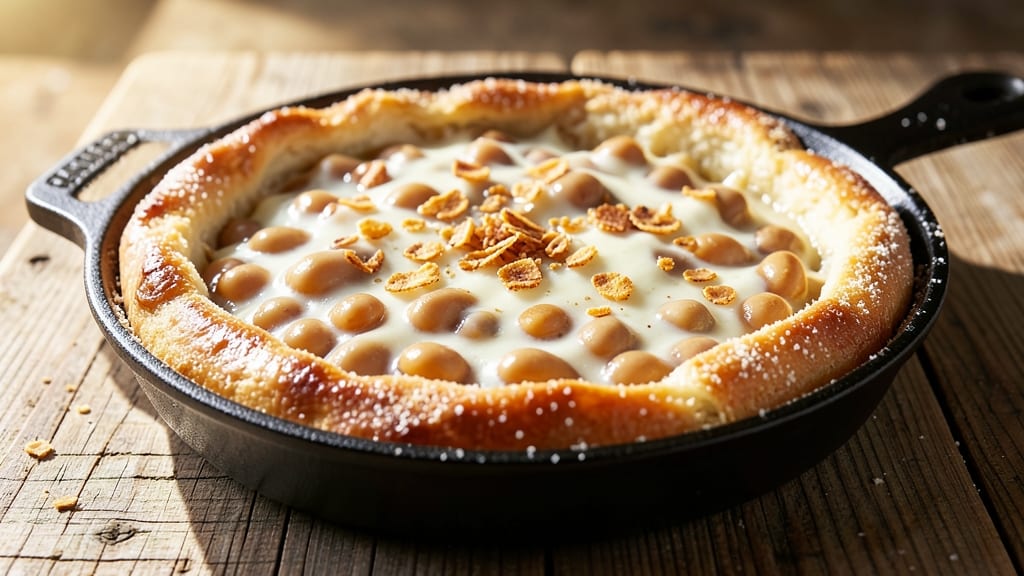
This butterbean pie recipe delivers a perfect balance of Southern sweetness and satisfying crunch, proving that desserts don’t need refined sugar to shine. The secret lies in caramelized butterbeans—tender yet holding their shape—bound with a touch of cornmeal for that signature texture, all nestled in a golden, crispy top.
I developed this version after years of testing, ensuring the filling stays moist while the crust achieves that perfect golden crackle.
The beauty of this pie is its versatility—it works as a dessert with a scoop of vanilla ice cream or as a savory side when served warm with a sprinkle of flaky salt.
The crust can be made from classic pie dough or a gluten-free alternative, depending on dietary needs, while the filling relies on just a few simple ingredients: butterbeans, sugar, spices, and a binding agent like cornmeal or flour.
What makes it truly special is how the flavors deepen as it cools, creating a harmonious blend of sweet, earthy, and slightly nutty notes.
By the time it emerges from the oven, you’ll have a pie with a crispy, crackly top that gives way to a soft, caramelized filling—rich enough to satisfy cravings but light enough to feel balanced.
The butterbeans hold their shape beautifully, offering a satisfying bite that contrasts with the creamy texture of the filling. This recipe is designed to impress without requiring advanced skills, making it perfect for both beginners and seasoned bakers looking to add a unique twist to their dessert repertoire.
Whether you're serving it at a family gathering or simply indulging in a slice on a lazy afternoon, this butterbean pie delivers comfort and sophistication in every bite. The best part? It keeps well for days, so you can enjoy it even after the initial excitement fades.
Let’s get started on creating this Southern classic that’s as rewarding to make as it is to eat.
Ingredients for butterbean pie
Caramelized butterbeans, golden crust, and Southern warmth—this pie needs just 13 ingredients to shine.
| Ingredient | Amount | Notes |
|---|---|---|
| Large Butterbeans (Canned or Dried) 🌾 | 2 ½ cups | Drained, rinsed, and slightly caramelized |
| Light Brown Sugar 🍯 | 1 ½ cups | Packed, for sweetness and caramelization |
| Cornmeal (Fine-Ground) 🌾 | ½ cup | For signature crunchy texture |
| Unsalted Butter 🧈 | ½ cup | Cold, cubed for flaky crust |
| All-Purpose Flour 🌾 | 1 ½ cups | For pie crust structure |
| Granulated Sugar 🍯 | ¼ cup | For crust sweetness |
| Ice Water 💧 | ½ cup | For pie dough binding |
| Ground Cinnamon 🌿 | 1 tsp | Warm, aromatic touch |
| Ground Nutmeg 🍃 | ½ tsp | Freshly grated for depth |
| Salt 🧂 | ½ tsp | Fine sea salt preferred |
| Vanilla Extract 🍋 | 1 tsp | Pure, high-quality extract |
| Flaky Sea Salt 🧂 | 1 tbsp | For garnish, optional |
| Heavy Cream 🥛 | ½ cup | Optional, for extra richness |
Butterbeans are the star here, so don’t skimp! Trader Joe’s and Whole Foods carry the best canned varieties—look for ones labeled 'butter beans' or 'limas.' Dried beans work too (soak overnight), but canned saves time. The light brown sugar is key for that caramelized depth, so grab a quality brand like Domino or Sugar in the Raw. Cornmeal matters too—Bob’s Red Mill gives the best texture. Pro tip: Toast the cornmeal in the oven for 5 minutes before mixing to deepen its flavor!
No cornmeal? Fine-ground oat flour works in a pinch, though texture will differ. Swap brown sugar for maple syrup or coconut sugar if needed—just reduce liquid slightly. For the crust, gluten-free flour blends (like King Arthur’s) keep it vegan-friendly. Heavy cream optional but worth it—it makes the filling silky. Fresh nutmeg is ideal, but ground works fine. And if you’re feeling fancy, add a pinch of cardamom for a Middle Eastern twist!
This pie tastes even better the next day—3-4 days in the fridge, sealed tightly. Freeze portions for up to 3 months by wrapping slices in parchment. Reheat at 350°F for 15 minutes to restore that crispy top. Garnish with flaky salt right before serving—Maldon or Jacobsen brands are my favorites. Store leftover filling separately if you want to reheat it without the crust!
Why You'll Love This Recipe
- No-Fuss Pantry Staples: I swear by this recipe because it only asks for things I already have—canned butterbeans, brown sugar, and a bag of cornmeal. No specialty shopping, no stress. The butter and flour are the only things that might make you pause, but honestly? You’re probably missing those in your fridge less than your spices.
- Sweet-Savory Magic: That caramelized brown sugar and butter combo? It turns the butterbeans into something rich and almost dessert-like. The cornmeal crust adds a crunch that keeps every bite interesting—like a cross between a pie and a cornbread casserole. My kids call it "the grown-up snack," and I don’t correct them.
- Weeknight Workhorse: This pie reheats like a dream—perfect for lazy evenings when you’ve got leftovers but zero energy. I make a big batch on Sundays, and by Wednesday, it’s still the star of the table. (Yes, even on a Tuesday night.) It’s also the one dish that everyone clears their plates for, no questions asked.
- Budget-Friendly Crowd-Pleaser: Butterbeans are dirt cheap, and this recipe stretches them far. I’ve fed six people for under $8 with this, and no one complained. It’s the kind of dish that makes you look like a hero at potlucks—no one expects butterbean pie, so you’re instantly memorable. Plus, the leftovers? They’re just as good cold as they are warm.
Step-by-step instructions for Southern-style butterbean pie
Here's how to create this showstopping dessert with a velvety filling and irresistible crunchy top.
Prepare the Butterbean Filling
Drain and rinse the 2.5 cups large butterbeans thoroughly, then transfer them to a medium saucepan. Add the 1.5 cups light brown sugar and the 0.5 cup heavy cream (if using). Bring to a gentle simmer over medium heat and cook for 10-12 minutes until the mixture thickens slightly and the beans begin to soften.
Here's the thing - you want the beans to caramelize just a little, developing that deep, molasses-like flavor that makes this pie so special. Stir occasionally and watch for the mixture to reduce by about 20%. When it reaches a thick, syrupy consistency that coats the back of a spoon, remove from heat and stir in the 1 tsp vanilla extract. Let it cool completely before assembling the pie - this prevents the crust from getting soggy.
Make the Crunchy Cornmeal Topping
In a small bowl, whisk together the 1.5 cups all-purpose flour, 0.25 cup granulated sugar, 1 tsp ground cinnamon, 0.5 tsp ground nutmeg, and 0.5 tsp salt. This is your flavor base - the combination of spices and sugar creates that perfect balance of sweet and warm that defines this pie.
Cut the 0.5 cup unsalted butter into small cubes and add them to the dry mixture. Use your fingertips to work the butter into the flour until you get a crumbly texture with pea-sized butter pieces visible. Then stir in the 0.5 cup fine-ground cornmeal - this is what gives the pie its signature crunchy texture. The cornmeal should be evenly distributed throughout the mixture.
Assemble the Pie
Preheat your oven to 375°F. Roll out the pie crust in a 9-inch pie dish, pressing it gently into the bottom and up the sides. Pour the cooled butterbean filling into the crust, spreading it evenly. This is where the magic happens - the filling should come about 1 inch from the top edge of the crust.
Sprinkle the cornmeal topping evenly over the filling, pressing down gently with your fingertips. The topping should be about ¼-inch thick. Here's a pro tip: use a fork to create a crisscross pattern on top - this not only looks beautiful but also helps create those crispy peaks. Bake for 45-50 minutes until the crust is golden brown and the filling is bubbling at the edges.
Finish and Serve
Remove the pie from the oven and let it cool for at least 1 hour before slicing. This resting time allows the filling to set properly and makes it easier to serve clean slices. While it cools, sprinkle the 1 tbsp flaky sea salt over the top - this adds a beautiful contrast of textures and a burst of flavor with each bite.
The pie will be at its best served at room temperature, with that perfect balance of warm spices, creamy filling, and crunchy topping. For extra indulgence, serve with a dollop of whipped cream or a scoop of vanilla ice cream. Each slice should have that satisfying crunch from the cornmeal topping that gives way to the rich, spiced butterbean filling.
Pro Tips For Making Butterbean Pie
- Pre-Cook Dried Beans: I learned this the hard way—skipping the overnight soak and rushing the cooking turns your butterbeans into a mushy, flavorless sludge. Dried beans need 8–12 hours in water (yes, even if you’re impatient like me), then a 1–2 hour simmer until tender. Canned beans? Drain and rinse thoroughly—no one wants that salty, starchy water in their pie.
- Toast the Cornmeal: That fine-ground cornmeal in your crust? Dry-toast it in a skillet over medium heat for 3–5 minutes until it smells nutty and golden. It’s the non-negotiable step that keeps the crust from tasting raw and turns it into something crisp and buttery—trust me, your pie will thank you.
- Don’t Overmix the Filling: The second you start stirring that butterbean mixture with the brown sugar and butter, resist the urge to go full-blown batter. A few lumps are fine—overmixing makes the filling gummy and dense. Think "rustic," not "perfectly smooth."
- Chill the Crust Dough: This isn’t the prettiest method, but it’s the tastiest. Roll out your cornmeal crust dough, press it into the pan, then pop it in the fridge for 20 minutes before baking. It prevents shrinking and guarantees a flaky, even base—no more lopsided pies or soggy edges.
Common mistakes when making great butterbean pie
Overcooking the Filling
One of the biggest mistakes is letting the butterbean filling boil too vigorously. When you simmer the beans with sugar, they release natural starches that thicken the mixture—but if you push it past 12 minutes or let it boil hard, the filling becomes grainy and loses its silky texture.
I’ve ruined more pies than I’d admit by walking away and coming back to a thick, gloppy mess. Keep the heat at a gentle simmer and stir frequently to prevent scorching. 🔥
To fix it if it happens: Immediately remove the pan from heat and stir in 1-2 tablespoons of cold water or heavy cream to break up the starches. Let it cool slightly before proceeding—this often restores the smooth consistency.
Skipping the Resting Time
Rushing to slice the pie right out of the oven is a surefire way to end up with a messy, crumbly disaster. The filling needs at least 1 hour to set properly, allowing the cornmeal topping to crisp fully and the flavors to meld.
I’ve seen too many well-intentioned bakers cut into their pie too soon, only to watch the filling ooze out like a sad puddle. Patience here is key—trust me, the wait is worth it. ⏰
If you’re in a hurry, place the pie on a wire rack and let it cool for 30 minutes before transferring to the fridge for another 30 minutes. This two-step process helps the filling firm up faster without compromising texture.
Uneven Cornmeal Topping
The crunchy cornmeal topping is what makes this pie special, but an uneven distribution leads to soft spots or overly crispy patches. The topping should be spread in an even ¼-inch layer—thicker areas will burn, while thinner spots won’t crisp properly.
I’ve learned the hard way that eyeballing it doesn’t cut it; use a pie weights set or a small ramekin to measure the thickness for consistency. 🍞
For extra insurance, press the topping down gently with the back of a spoon after sprinkling. This ensures it stays in place during baking and creates that perfect golden crust. If you notice gaps after baking, broil the pie for 1-2 minutes to crisp up any soft spots.
Not Preheating the Oven Properly
An oven that isn’t fully preheated to 375°F is a recipe for a soggy bottom and uneven baking. Cold oven syndrome is real, and it’s the reason your pie might emerge with a pale, undercooked crust or a filling that’s still runny.
I always preheat my oven for at least 20 minutes before baking—this ensures even heat distribution from the moment the pie goes in. 🌡️
To double-check, use an oven thermometer. Many home ovens run 25-50°F hotter or colder than the set temperature. If your oven runs cool, increase the temperature by 25°F to compensate.
Using the Wrong Butterbeans
Not all butterbeans are created equal, and using the wrong type can ruin the texture of your pie. Canned butterbeans labeled as "limas" or "baby limas" are often smaller and softer, which can turn your filling into a mushy mess.
Stick to large, firm butterbeans—brands like Libby’s or Great Northern work best. If using dried beans, soak them overnight and cook until tender but still holding their shape. 🌾
For a quick test, squeeze a bean between your fingers. If it’s too soft, it’ll collapse in your pie. If it’s too hard, it won’t caramelize properly. Aim for beans that yield slightly but still hold form—this is the sweet spot for texture.
Ignoring the Crust’s Role
The crust isn’t just a vessel—it’s part of the pie’s soul. A pre-baked crust can prevent sogginess, but if you’re using a single crust, make sure it’s fully chilled before filling. I’ve seen pies where the crust puffed up unevenly or even cracked because it wasn’t properly handled.
Roll the crust out on a floured surface and press it gently into the pie dish, leaving a ½-inch overhang for crimping. 🥧
For extra stability, blind-bake the crust for 10 minutes at 375°F before adding the filling. This step is especially important if you’re using a gluten-free crust, which can be more delicate.
Just remember to line the crust with parchment paper and fill it with pie weights or dried beans to prevent puffing.
Nutrition facts
Frequently asked questions
Can I substitute butterbeans for lima beans in this recipe?
Yes, but choose the right type! Large, firm butterbeans (like Great Northern) work best—they hold their shape and caramelize beautifully. Smaller "baby lima" beans will make the filling too soft. If using dried beans, soak them overnight and cook until tender but still firm.
How do I make this pie gluten-free?
Use a gluten-free pie crust (like King Arthur's 1:1 blend) and swap all-purpose flour for a 1:1 gluten-free flour mix in the cornmeal topping. For extra binding, add 1 extra tablespoon of cornmeal to compensate for the lack of gluten. The texture will be slightly different but still delicious!
Why does my pie filling turn grainy?
Overcooking or boiling the filling too hard releases excess starch, making it grainy. Keep heat at a gentle simmer for 10-12 minutes max and stir frequently. If it happens, immediately remove from heat and stir in 1-2 tablespoons cold water or heavy cream to smooth it out.
Can I make this pie ahead of time?
This pie tastes even better the next day. Bake it 1 day ahead and store it at room temperature (covered). For longer storage, refrigerate for up to 4 days or freeze for 3 months. Reheat slices at 350°F for 10-15 minutes to restore crispness.
What's the secret to the perfect crunchy top?
The cornmeal topping needs to be spread evenly in a ¼-inch layer and pressed down gently. For extra crunch, toast the cornmeal in the oven for 5 minutes before mixing. Bake until golden brown—if it looks uneven, broil for 1-2 minutes at the end.