
Desserts
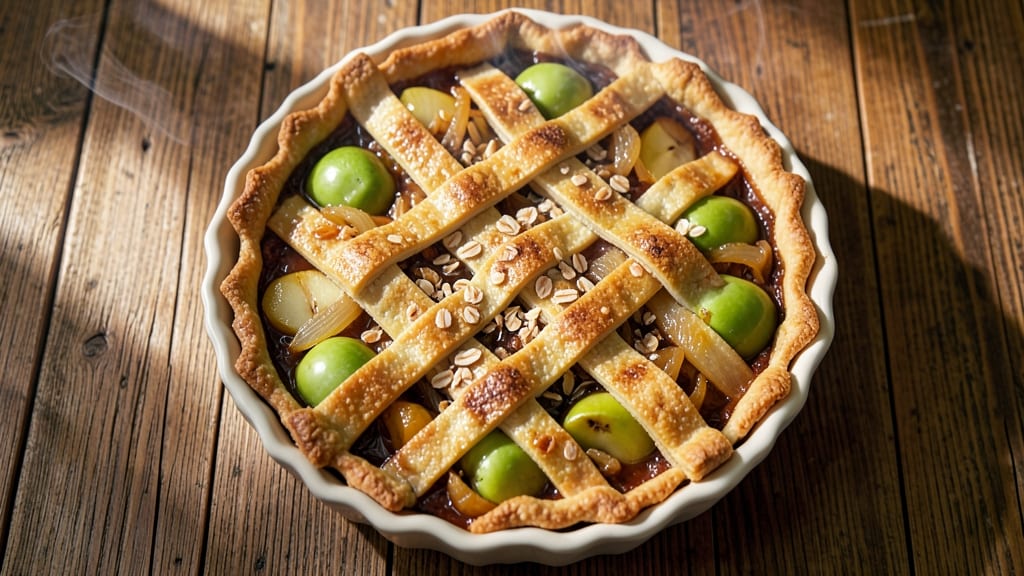
This English kidney pie recipe transports you to cozy English kitchens where spiced fruit filling meets a golden oat crown—perfect for special occasions or comforting weeknight desserts. The traditional technique of slow-cooked apples, onions, and spices creates a fragrant, tender filling that pairs beautifully with the buttery, textured pastry.
I’ve refined this classic recipe to balance authenticity with modern ease, ensuring every slice delivers that satisfying crunch and warm, spiced flavor.
The key to an exceptional kidney pie lies in the filling’s slow simmer, which develops deep caramelized notes from the onions and apples. A touch of cinnamon, nutmeg, and allspice adds warmth without overpowering the natural sweetness of the fruit.
Meanwhile, the oat crown—made with rolled oats for texture and a hint of brown sugar—creates a rustic, golden lid that contrasts perfectly with the soft filling. This recipe maintains tradition while offering adaptability for dietary preferences, like substituting honey for sugar or using gluten-free oats.
What sets this kidney pie apart is its ability to satisfy both nostalgia and modern tastes. The filling stays moist and flavorful, while the crust achieves that ideal balance of crispness and tenderness.
Serve it warm with vanilla ice cream or a dollop of clotted cream for an authentic English touch. Whether you’re baking for a holiday gathering or simply craving a comforting dessert, this pie delivers restaurant-quality results with a homemade touch.
For those interested in historical context, English kidney pie dates back to medieval times when fruit pies were a way to preserve seasonal harvests. The name "kidney" refers to the shape of the traditional pastry, though modern versions often use a round or oval shape for easier handling.
This recipe stays true to its roots while offering flexibility for today’s kitchens. Let’s get baking!
Ingredients for english kidney pie
Four medium apples and two onions kick off this classic English dessert's fragrant spiced filling.
| Ingredient | Amount | Notes |
|---|---|---|
| Granny Smith Apples 🍎 | 4 medium | Peeled and sliced into wedges |
| Yellow Onions 🧅 | 2 large | Thinly sliced for caramelization |
| Granulated Sugar 🍚 | 1 ½ cups | Or substitute honey for refined sweetness |
| Unsalted Butter 🧈 | ¾ cup | Cold for pastry, softened for filling |
| All-Purpose Flour 🌾 | 3 cups | Sifted for light texture |
| Rolled Oats 🍚 | 1 ½ cups | Old-fashioned for texture |
| Brown Sugar 🍚 | ¼ cup | Packed for moisture |
| Ground Cinnamon 🌶️ | 2 tsp | Freshly ground preferred |
| Ground Nutmeg 🌿 | ½ tsp | Freshly grated nutmeg stronger |
| Ground Allspice 🌶️ | ¼ tsp | Warmth without overpowering |
| Salt 🧂 | ½ tsp | Diamond Crystal preferred |
| Heavy Cream 🥛 | ½ cup | Full-fat for richness |
| Vanilla Extract 🍯 | 1 tsp | Pure vanilla preferred |
| Lemon Juice 🍋 | 1 tbsp | Freshly squeezed |
The Granny Smith apples are non-negotiable—their tartness balances the sweetness perfectly. Local farmers markets often carry them in season, but any crisp apple variety works in a pinch. For the yellow onions, Vidalias or sweet onions caramelize beautifully without bitterness. If you can't find them, yellow grocery store onions work fine, but avoid red—they bleed color. The unsalted butter should be European-style if possible, like Plugrá or Kerrygold, for superior flavor. For the oat crown, Bob's Red Mill old-fashioned rolled oats provide the best texture, though any rolled oats will suffice.
No Granny Smiths? Braeburn or Honeycrisp apples hold up well to cooking. Substitute honey for sugar at a 1:1 ratio if you prefer a less refined sweetness. The vanilla extract can be swapped for vanilla bean paste if you're feeling fancy—just reduce the amount by half. For a gluten-free version, use a 1:1 gluten-free flour blend instead of all-purpose, though the texture will differ slightly. The lemon juice brightens the filling; if you're out, a pinch of cream of tartar mimics the acidity. For the spices, Penzeys or McCormick ground spices are reliable, but freshly grated nutmeg makes all the difference.
Store the prepared filling in an airtight container for up to 3 days in the fridge—it actually improves overnight. The oat crown mix can be prepped ahead and refrigerated for 2 days before baking. For longer storage, freeze the unbaked pie for up to 3 months—thaw overnight in the fridge before baking. The lemon juice can be omitted if making ahead, as its acidity develops during baking. When reheating slices, cover them to retain moisture—30 seconds in the microwave restores that warm, comforting texture.
Why You'll Love This Recipe
- Pantry-Friendly Magic: I swear by this recipe when I forget to grocery shop—just apples, onions, and a few basics. No fancy ingredients, no last-minute runs to the store. That golden crust? Pure flour and butter, no rolling required.
- Tart-Sweet Balance: Granny Smiths and sugar team up for that perfect bite—sharp enough to wake you up, sweet enough to make you sigh. Honestly, the first time I tasted it, I nearly licked the pan.
- Weeknight to Potluck: Make a double batch on Sunday, and you’ve got breakfast for the week or a showstopper for brunch. (Yes, even on a Tuesday night.) The crust holds up better than my willpower around it.
- No-Waste Win: Peels and cores go straight to the compost—no scraps left behind. And because it reheats like a dream, I’ve fed a crowd with one pie and still had leftovers for days. Budget and guilt-free.
Step-by-step instructions for English kidney pie
A traditional spiced fruit filling encased in a crisp oat-topped crust creates this classic dessert.
Caramelize the Fruit Filling
In a large, heavy-bottomed saucepan, melt the 0.75 cup unsalted butter over medium heat. Add the 2 large yellow onions, sliced thinly, and cook for 8-10 minutes until translucent and beginning to soften. This slow cook prevents burning while developing sweetness.
Add the 4 medium Granny Smith apples, peeled and sliced into wedges, along with the 1.5 cups granulated sugar, 2 tsp ground cinnamon, 0.5 tsp ground nutmeg, 0.25 tsp ground allspice, and 0.5 tsp salt. Stir gently to combine, ensuring the apples are evenly coated in the sugar mixture. Let the mixture simmer for 15-20 minutes until the apples break down slightly and the liquid thickens to a syrupy consistency. The filling should coat the back of a spoon and release its natural juices.
In the final 5 minutes of cooking, stir in the 1 tbsp lemon juice and 1 tsp vanilla extract. Remove from heat and let cool completely before assembling the pie. The lemon brightens the tart apples, while the vanilla adds depth to the spiced filling.
Prepare the Oat Crust Mixture
In a medium bowl, whisk together the 3 cups all-purpose flour, 1.5 cups rolled oats, and 0.25 cup brown sugar. This dry mixture forms the textured crown of the pie, adding a satisfying crunch. Sift the ingredients lightly to aerate the flour and ensure an even distribution of oats.
Cut the 0.5 cup heavy cream into small cubes and add to the dry mixture. Using your fingers or a pastry cutter, work the cream into the flour until the mixture resembles coarse crumbs with some larger, pea-sized pieces remaining. This texture is essential for creating a crisp, golden crust.
Add the remaining 0.25 cup unsalted butter, cut into small pieces, and continue mixing until the butter is fully incorporated. The mixture should hold together when pressed but still retain a crumbly consistency. Avoid overworking the dough, as this can lead to a dense rather than crisp crust.
Assemble and Bake the Pie
Preheat your oven to 375°F. Grease a 9-inch pie dish lightly with butter or line the bottom with parchment paper to prevent sticking. Pour the cooled apple filling into the prepared dish, spreading it evenly to within ½ inch of the edges. This ensures the filling doesn’t overflow during baking.
Sprinkle the oat crust mixture evenly over the top of the filling, pressing down gently with your fingers to create a compact, even layer. The crust should cover the filling completely but remain slightly uneven for texture. Bake for 35-40 minutes until the crust is deep golden brown and the filling is bubbling gently at the edges.
Remove the pie from the oven and let it cool for 10 minutes before serving. The filling will continue to thicken as it cools, and the crust will crisp up further. Serve warm with a dollop of whipped cream or a scoop of vanilla ice cream to balance the spiced flavors.
Pro Tips For Making English Kidney Pie
- Parboil Apples First: Toss peeled apple slices in simmering water for 2 minutes before adding to the pie—it softens them evenly without turning to mush. I learned this the hard way when my first batch of Granny Smiths stayed stubbornly crisp after baking.
- Sweat Onions Low: Cook onions over medium-low heat until they’re translucent and just starting to caramelize—about 10 minutes. High heat burns them before they soften, and you’ll taste the bitterness in every slice.
- Skip Overmixing Dough: Handle the flour-butter mixture just until it clumps, then press it into the pan in one go. Overworking it makes the crust tough, and nobody wants a pie crust that fights back.
- Add Sugar Gradually: Start with half the sugar in the filling, taste, then adjust—Granny Smiths are tart enough that too much sweetness kills the balance. I used to dump it all in and wondered why the pie tasted like dessert instead of savory comfort.
Regional styles of this dish
Yorkshire Tradition
The classic English kidney pie originated in Yorkshire, where it became a staple dessert during harvest season. The name "kidney" refers to the traditional kidney-shaped pastry, though modern versions often use round or oval pans for easier handling.
In Yorkshire, the filling often included local apples and pears alongside onions, creating a rustic, hearty dessert that could be made ahead for gatherings. The oat crown became popular as a way to use up rolled oats, adding texture and a golden finish. 🗺️
Cornish Adaptation
In Cornwall, kidney pies took on a sweeter profile, often incorporating damson plums or blackcurrants alongside apples. The Cornish version typically used less sugar and more honey for a subtler sweetness, reflecting the region’s love of natural flavors.
Local bakers would sometimes add a pinch of sea salt to balance the fruit’s acidity, a technique inspired by coastal cuisine. The oat crown remained a hallmark, though some Cornish pies featured a crumbled shortbread topping instead. 🌿
Modern London Twist
Today’s London bakers often fuse traditions with contemporary techniques. Many versions now include spiced rum in the filling or a gingersnap crumble on top, adding warmth and complexity. Some chefs even experiment with savory-sweet fillings, like adding candied ginger or dried apricots for texture.
The oat crown is still beloved, but some modern recipes replace it with a puff pastry lid for a flakier finish. This adaptation keeps the pie relevant for today’s dessert lovers. 💛
Scottish Influence
Across the border in Scotland, kidney pies sometimes incorporate heather honey or whisky-infused cream into the filling, reflecting local ingredients. The oat crown is often thicker, using Scottish oats for a nuttier flavor.
Some versions even include black pudding crumbles on top, blending sweet and savory notes—a bold twist that surprises modern palates. This fusion highlights Scotland’s culinary creativity while honoring the pie’s English roots. 🏴
Vegetarian Adaptations
For those avoiding meat, the kidney-shaped name can be confusing—but the filling remains vegetarian. Many modern recipes replace the traditional onion-apple base with roasted squash or caramelized beets for a deeper flavor. Some versions use chestnuts instead of apples, adding a rich, earthy note.
The oat crown stays the same, ensuring the pie maintains its comforting texture. This adaptation proves the dish’s versatility beyond its original form. 🌱
Nutrition facts
Frequently asked questions
Why is this called "kidney pie" if it doesn't contain meat?
The name comes from the traditional kidney-shaped pastry used in Yorkshire, not the organ meat. This rustic shape became iconic during harvest season when the pies were made to preserve fruit. Modern versions often use round or oval pans for easier baking, but the name stuck as a nod to its heritage.
Can I make this pie ahead of time?
The filling can be prepared 3 days ahead and stored in an airtight container. For best results, assemble the pie 24 hours before baking and refrigerate uncovered. This allows flavors to meld while preventing sogginess. Bake straight from the fridge at 375°F for 5-10 extra minutes to account for the cold start.
What's the secret to a crisp oat crown?
Keep the butter cold when mixing and avoid overworking the dough. The key is pea-sized butter pieces that melt into crisp pockets during baking. Press the mixture gently but unevenly for texture—don't compact it too much. Bake until deep golden brown (375°F for 35-40 minutes) and let cool completely before slicing.
Can I substitute the apples with other fruit?
Yes! Try pears for a softer texture or damson plums for tartness. For a modern twist, use roasted butternut squash (reduce sugar by 0.5 cup) or caramelized beets (add 0.25 tsp cinnamon). The filling works best with fruits that hold shape during baking—avoid overly juicy varieties like berries.
How do I fix a soggy crust?
Prevent sogginess by baking the pie on the lower oven rack for the first 15 minutes to crisp the crust, then move it up. For a baked pie, sprinkle extra oat mixture on top before baking or broil for 2 minutes at the end (watch closely!). If already baked, brush the crust with melted butter and reheat at 350°F for 10 minutes to restore crispness.