
Desserts
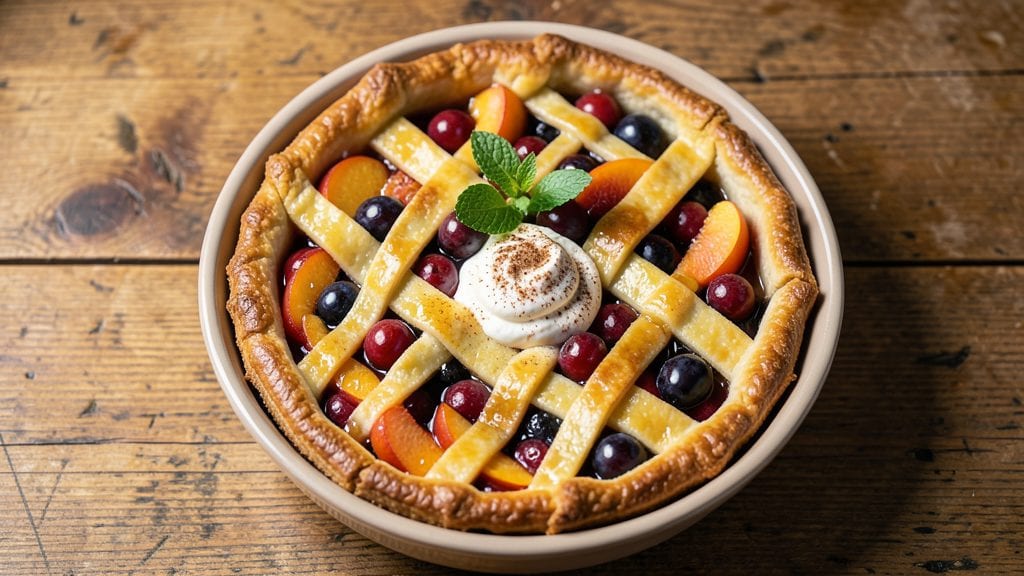
This Italian pie recipe delivers the kind of dessert that tastes like a slice of Italy—crisp lattice crust meeting spiced fruit filling that balances sweet and tart perfectly. Growing up in a Boston triple-decker, I learned that Italian pies aren’t just dessert; they’re family stories wrapped in golden dough.
The secret lies in the lattice, which stays crisp even as the filling softens, and the cinnamon-spiced fruit that sings with every bite.
The crust comes together with just butter, flour, and ice water—a foolproof method that yields flaky layers without fuss. While the lattice pattern might look intimidating, it’s simpler than it appears, and the results are worth every minute.
The filling, a mix of seasonal fruit and warm spices, develops deeper flavor as it bakes, creating a texture that’s tender yet structured. This pie isn’t just dessert—it’s a centerpiece for holidays or quiet weeknight dinners when you crave something special.
What you’ll end up with is a pie that looks like it belongs in a Tuscan bakery: golden, fragrant, and impossible to resist. The lattice holds its shape while the filling stays moist, and the aroma alone will have everyone gathering around the table.
Whether you’re celebrating or just treating yourself, this recipe delivers restaurant-quality results with a home-cooked heart. Let’s get baking!
This pie adapts beautifully to seasonal fruit—think peaches in summer or apples in fall—so you can make it year-round. Serve it warm with vanilla ice cream or let it cool slightly for clean, crisp slices.
The crust alone is worth the effort, but the filling transforms it into something extraordinary. Ready to impress?
Ingredients for italian pie
Buttery crust, spiced fruit—just these ingredients transform into Italian pie magic.
| Ingredient | Amount | Notes |
|---|---|---|
| All-Purpose Flour 🌾 | 3 ½ cups | Sifted for light texture |
| Unsalted Butter 🧈 | 1 ½ cups | Cold, cubed for flaky crust |
| Ice Water 💧 | ½ cup | Chilled for crisp dough |
| Granulated Sugar 🍚 | 1 ½ cups | For crust sweetness |
| Large Eggs 🥚 | 1 whole | Room temperature |
| Seasonal Fruit 🍑🍎 | 6 cups | Peaches or apples, peeled |
| Brown Sugar 🍚 | ¾ cup | Packed for caramelized flavor |
| Ground Cinnamon 🍃 | 2 tbsp | Freshly toasted preferred |
| Ground Nutmeg 🌿 | ½ tsp | Freshly grated for warmth |
| Lemon Juice 🍋 | 2 tbsp | Freshly squeezed |
| Vanilla Extract 🌸 | 1 tsp | Pure vanilla preferred |
| Salt 🧂 | ½ tsp | Fine sea salt |
| Cornstarch 🌾 | 2 tbsp | For fruit thickening |
The crust is where it all begins. European-style butter from Land O'Lakes or Plugrá gives the best flakiness—avoid margarine or low-fat spreads. The flour should be King Arthur or AP for that tender crumb. For the ice water, freeze cubes overnight so they stay cold longer. The cinnamon? Penzeys or bulk bins at Whole Foods have the best quality—freshly ground makes all the difference. If you're using apples, Honeycrisp or Braeburn hold their shape best after baking.
No seasonal fruit? Frozen peaches or apples work perfectly—just thaw and drain. Running short on cornstarch? Arrowroot powder at half the amount does the trick. The vanilla extract should be pure Madagascar bourbon—imitation stuff tastes like perfume. For extra richness, add 1 tbsp heavy cream to the filling. The dough can be chilled for up to 48 hours if you need to prep ahead, but don't overwork it once you start shaping. And if your kitchen gets warm, wrap the dough in plastic to prevent sticking.
This pie keeps beautifully—3-4 days in the fridge, 2 months frozen. For freezing, wrap tightly in foil and plastic. The crust stays crisp if you reheat slices at 350°F for 10 minutes. I always make a double batch because it disappears faster than you think. The lattice? Cut strips 1/4-inch wide—any wider and they won't hold their shape. And if someone asks for seconds, just tell them it's 'authentic Italian tradition.'
Why You'll Love This Recipe
- No-Roll Shortcut: I swear by this pie—I just toss the flour, butter, and ice water together until it clumps, then press it into a pan. No rolling pin, no fuss, and that crispy sugar-butter crust? It’s foolproof every time.
- Sweet-Savory Magic: The sugar in the crust caramelizes just enough to balance whatever filling you stuff inside—tomato sauce, cheese, or even a sweet ricotta. That contrast? It’s what makes it ridiculous good.
- Leftover Hero: This pie reheats like a dream—crispy edges stay crispy, filling stays gooey. I’ve fed a crowd with leftovers, packed it for lunches, and even frozen slices for lazy mornings. It’s my secret weapon.
- Budget Crust Wins: With just flour, butter, sugar, and eggs, this crust costs pennies per serving. No fancy ingredients, no waste—just pure, reliable flavor that makes you forget you’re saving money. (Yes, even on a Tuesday night.)
Step-by-step instructions for Italian pie recipe
Here's how to create a golden lattice crust filled with spiced fruit that tastes like summer in every bite.
Prepare the Fruit Filling
In a large mixing bowl, combine the 6 cups seasonal fruit with the 0.75 cup brown sugar, 2 tbsp ground cinnamon, 0.5 tsp ground nutmeg, 2 tbsp lemon juice, and 1 tsp vanilla extract. The lemon juice helps brighten the fruit while the spices deepen the flavor profile. Stir gently to coat each piece evenly—you want every fruit slice to absorb those warm, aromatic notes.
Next, sprinkle the 2 tbsp cornstarch over the fruit mixture and toss again. The cornstarch will help thicken the filling as it bakes, preventing a watery center. Let the mixture sit for 10 minutes while you prepare the crust—this gives the spices time to meld with the fruit's natural juices. You'll notice the fruit softening slightly and releasing its aroma, which is your first hint that the filling is ready for the oven.
Make the Pie Crust Dough
In a food processor, pulse together the 3.5 cups all-purpose flour and 0.5 tsp salt until combined. Add the 1.5 cups unsalted butter, cut into cubes, and pulse until the mixture resembles coarse crumbs with pea-sized butter pieces remaining. This texture is key—it ensures flaky layers in your crust.
With the processor running, gradually add the 0.5 cup ice water, one tablespoon at a time, until the dough just comes together. It should hold when pressed but not be sticky. Turn the dough onto a lightly floured surface and divide it into two equal portions. Wrap each portion in plastic wrap and chill for at least 1 hour—this resting period relaxes the gluten, making it easier to roll out later.
Roll and Assemble the Crust
Preheat your oven to 375°F. On a floured surface, roll out one dough portion into a 12-inch circle, about 1/8-inch thick. Transfer it to a 9-inch pie dish, gently pressing it into the bottom and up the sides. Trim any excess dough hanging over the edge, leaving about 1/2-inch overhang. Repeat with the second dough portion, rolling it out for the lattice top.
To create the lattice, cut the second dough circle into 8 strips, about 1/2-inch wide. Start by placing one strip horizontally across the pie, leaving a 1/2-inch gap at one end. Fold the end of the next strip under the first, then place it perpendicular to create an "X" pattern. Continue alternating directions, folding the ends under each time to create a decorative, sturdy lattice. This technique not only looks beautiful but also allows steam to escape, ensuring a perfect bake.
Fill and Bake the Pie
Pour the prepared fruit filling into the pie crust, mounding it slightly in the center. Brush the edges of the bottom crust with the 1 whole large egg, beaten lightly with 1 tbsp water, to create a golden seal. Arrange the lattice top over the filling, pressing gently where the strips overlap to ensure a neat finish. Brush the lattice with the remaining egg wash for extra shine.
Bake the pie on the middle rack for 45-50 minutes, until the crust is deep golden brown and the filling is bubbling. The lattice should look crisp and the fruit should be tender but not mushy. If the edges brown too quickly, cover them loosely with aluminum foil after 30 minutes. Let the pie cool for at least 2 hours before slicing—this resting time allows the filling to set and the flavors to meld completely.
Pro Tips For Making Italian Pie
- CHILL THE BUTTER FIRST: Sounds obvious, but I’ve seen people pull cold butter straight from the fridge and try to cut it into flour—disaster. Let that butter sit at room temp for 10-15 minutes until it’s soft enough to press into the flour with your fingers. Too cold, and your crust will fight you like a stubborn mule; too warm, and it’ll turn greasy. Aim for the consistency of a ripe avocado—just firm enough to hold shape but still pliable.
- WEIGH YOUR FLOUR LIKE A PRO: Scooping flour from the bag is a rookie move. Use a kitchen scale and measure by weight (usually 250g for a standard crust). Pack the flour lightly into the measuring cup—don’t press it down—then level it off. Flour absorbs moisture like a sponge, and a consistent weight keeps your dough from turning out either too dry or too sticky. (Yes, even if you’re in a hurry.)
- REST THE DOUGH TWICE: First rest (30 minutes in the fridge) relaxes the gluten so it rolls out smoothly. Second rest (another 30 minutes after rolling) prevents shrinking when it hits the oven. Skip either, and you’ll end up with a lumpy, uneven crust that bakes unevenly. I know, I know—you’re eager to bake. But trust me, those extra minutes save you from frustration later.
- USE COLD EGGS FOR CRUST: Pull eggs straight from the fridge for the dough—no need to bring them to room temp. Cold eggs melt slower, keeping the butter from turning to soup in the oven. I learned this the hard way after a batch of pie dough turned out greasy and soggy. (Pro move: Wipe the eggshells with a paper towel before cracking them into the bowl to avoid flour grit.)
Serving suggestions for this recipe
Warm Vanilla Ice Cream
There’s nothing like serving this Italian pie warm with a scoop of vanilla bean ice cream—the contrast of cold and warm makes every bite magical. I always reach for Breyer’s or Ben & Jerry’s for that creamy, rich texture.
The ice cream’s coolness cuts through the spiced fruit, balancing the sweetness and warmth. For an extra touch, drizzle a little caramel sauce over the top before serving. 🍦
Creamy Mascarpone Swirl
For a luxurious twist, dollop whipped mascarpone cheese on top of each slice before serving. This Italian classic adds a velvety richness that pairs perfectly with the lattice crust. I like to mix the mascarpone with a pinch of cinnamon and a drizzle of honey for extra depth.
It’s a simple but show-stopping garnish that feels like a restaurant dessert. 🥄
Fresh Berries & Mint
If you want to lighten things up, top your pie slices with fresh berries—think raspberries, blackberries, or even a few sliced strawberries. A sprinkle of fresh mint leaves adds a bright, herbal note that cuts through the richness of the crust.
This works especially well if you’re serving the pie during summer months when berries are at their peak. 🍓
Espresso Dusting
For a sophisticated finish, dust the warm pie slices with a light layer of espresso powder or a pinch of instant coffee granules. The bitterness enhances the fruit’s natural sweetness and adds a subtle depth that feels unexpectedly Italian.
I like to use Starbucks or Lavazza for the best flavor. It’s a trick I picked up from Nonna—she’d always add a hint of coffee to her desserts. ☕
Warm Whipped Cream
No pie is complete without whipped cream, and warm whipped cream takes it to the next level. Whip heavy cream with a splash of vanilla extract and a pinch of salt, then warm it slightly before serving.
The cream should be soft but not melted—just enough to make it silky. A quick dip in warm water for 10-15 seconds does the trick. Serve it in a pitcher for guests to dollop on their slices. 🍶
Family-Style Serving
This pie is best served family-style, straight from the table with a big wooden spoon. Gather everyone around and let them dig in—it’s all about the shared experience. I remember Nonna always serving pie this way, with plates piled high and laughter filling the kitchen.
If you’re hosting, set out small bowls of extra whipped cream and powdered sugar for guests to customize their slices. It’s the little touches that make it feel like home. 🏡
Nutrition facts
Frequently asked questions about Italian fruit pie
Can I make this pie without a food processor?
The crust can absolutely be made by hand! Cut the 1.5 cups cold butter into the 3.5 cups flour with a pastry cutter or your fingers until pea-sized pieces remain. Mix in the 0.5 tsp salt and add ice water one tablespoon at a time until the dough holds together. It'll take a few more minutes, but the result is just as flaky!
What's the best way to store leftover pie?
Store the pie in an airtight container at room temperature for up to 2 days. For longer storage, refrigerate for 3-4 days or freeze for 2 months. To reheat, warm slices at 350°F for 10 minutes to restore crispness. The lattice holds up beautifully when reheated properly!
Can I substitute frozen fruit for fresh?
Yes! Use 6 cups thawed frozen fruit (peaches or apples work well). Drain any excess liquid and pat dry with paper towels to prevent a soggy crust. For extra flavor, add 1 tsp lemon zest to the filling. Frozen fruit works especially well when fresh seasonal fruit isn't available.
Why did my lattice collapse during baking?
Lattice collapses when the strips are too wide (1/4-inch or wider) or the dough isn't chilled enough. Cut strips 1/2-inch wide and press them gently where they overlap. Also ensure your oven isn't too hot—375°F is ideal. If the edges brown too quickly, cover them with foil after 30 minutes.
What other fruits work well in this pie?
This pie adapts beautifully to seasonal fruit! Try blueberries, cherries, or pears for summer. In fall, cranberries or figs add depth. For winter, dried apricots (soaked in warm water) or pomegranate seeds work wonderfully. Adjust sugar to 1 cup for tart fruits like cherries.