
Desserts
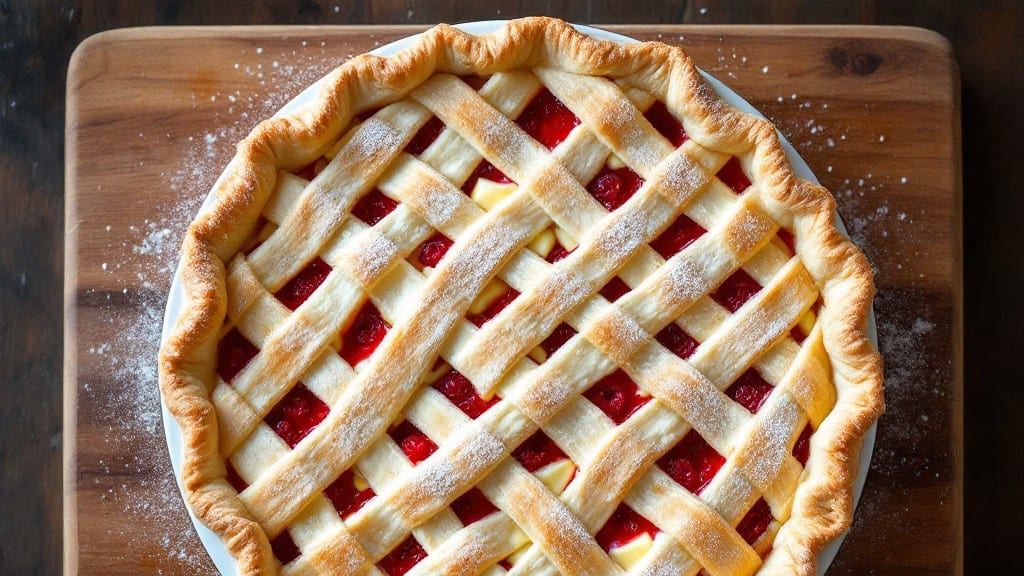
Paula Deen’s pie crust recipe delivers that signature flaky, buttery Southern perfection in just 15 minutes of active work—no rolling pins required. Standing on a step stool in my grandmother’s kitchen in Sicily, I learned that great crusts depend on technique, not fuss.
This version uses cold butter cut into flour until it resembles coarse crumbs, a method that creates those signature thin, crisp layers we all crave.
The secret lies in the cold ingredients—butter and ice water—working together to create steam pockets when baked. Paula’s approach skips the food processor for a fork and knife, ensuring even distribution of fat without overworking the dough.
Chilling for 30 minutes firms up the structure, preventing shrinking when it hits the oven. This is the kind of crust that holds its shape while still being tender enough to melt in your mouth.
What sets this apart is the butter content—enough to create flaky layers but not so much that the crust becomes greasy. The result? A golden-brown crust with crisp edges and a tender interior that’s sturdy enough for fruit pies or rich enough for cream-based desserts.
Whether you’re baking a classic pecan pie or a modern twist, this crust delivers professional results every time.
For lattice variations or gluten-free options, we’ll explore those in the tips section—but first, let’s get that perfect crust shaped and ready for the oven. The best part? You’ll have time to enjoy the process, just like Nonna always said cooking should be.
Ingredients for paula deen pie crust
Cold butter, flour, and ice water—just nine ingredients for Paula Deen's legendary flaky crust.
| Ingredient | Amount | Notes |
|---|---|---|
| All-Purpose Flour 🌾 | 2 ½ cups | Sifted for light texture |
| Unsalted Butter 🧈 | 1 cup | Cold, cubed into 1/2-inch pieces |
| Ice Water 💧 | ½ cup | Freshly chilled, not tap |
| Diamond Crystal Kosher Salt 🧂 | ½ tsp | Fine grain preferred |
| Granulated Sugar 🍚 | 1 tbsp | For subtle sweetness |
| White Vinegar 🍶 | 1 tsp | For tenderizing flour |
| Large Egg Yolk 🥚 | 1 whole | For binding richness |
| Cornstarch 🌾 | 1 tbsp | For extra flakiness |
| Cold Milk 🥛 | 1 tbsp | For tender crumb |
The butter is non-negotiable here—Land O'Lakes unsalted sticks work perfectly, but grab the European-style if you can find it. Look for 82% fat content minimum, and keep those cubes frozen until you're ready to cut them into the flour. The ice water? Freeze it in an ice cube tray ahead of time for perfect-sized chunks. Flour matters too—King Arthur or Gold Medal brands give the best lift. And don't pre-sift—just whisk the dry ingredients together in the bowl.
No ice water? Cold sparkling water works in a pinch, but the bubbles can make the crust puff up too much. Short on butter? Vegetable shortening at half the amount keeps it flaky, though it won't taste as rich. The egg yolk is optional but worth it for that golden color and extra tenderness. If you're gluten-free, swap the flour for a 1:1 gluten-free blend (like Bob's Red Mill), but expect slightly less flakiness. The vinegar? Apple cider vinegar adds a nice depth of flavor compared to white.
This dough needs to chill for 30 minutes minimum—set a timer so you don't forget. Wrap it tightly in plastic and press it flat before baking. Leftovers? The dough keeps for 2 days in the fridge or 3 months frozen. For the crust itself, store it in an airtight container at room temperature for 3 days. Reheat slices in a 350°F oven for 5 minutes to restore crispness.
Why You'll Love This Recipe
- Butter’s Best Friend: I swear by that cold butter cut into flour—no food processor needed. Paula’s method keeps it simple: just your hands and a bowl, no fancy gadgets. The ice water? That’s the secret to flaky layers without the fuss.
- Sweet-Salty Magic: That tiny pinch of sugar in the dough? It’s the unsung hero. It caramelizes just enough to give the crust a delicate sweetness that balances the salt, making every bite irresistible. (Yes, even the crust lovers in my family fight over it.)
- Pie Pan to Party: This crust is my go-to for more than just pie—think hand pies, pot pies, or even a quick quiche. The buttery richness shines in savory dishes too, and honestly? It’s the kind of crust that makes you look like a pro, no matter the occasion.
- Budget Flaky Gold: Cold butter and pantry staples mean this crust won’t break the bank. Plus, the leftovers? I freeze them in portions—perfect for last-minute desserts or a lazy Sunday brunch. (And no, it doesn’t taste “made from scraps.”)
Step-by-step instructions for Southern-style flaky pie crust
Here's Paula Deen's secret to buttery, melt-in-your-mouth layers that hold their shape perfectly.
Mix Dry Ingredients for Maximum Flakiness
In a large bowl, combine the 2.5 cups all-purpose flour, 1 tbsp granulated sugar, 1 tbsp cornstarch, and 0.5 tsp diamond crystal kosher salt. I like to use a whisk for this step to break up any flour clumps and ensure even distribution of the sugar and salt. The cornstarch is key here—it creates those delicate, paper-thin layers that make the crust so flaky.
Next, stir in the 1 tsp white vinegar. This might seem unusual, but it tenderizes the flour proteins, preventing a tough crust. You'll notice the mixture looks slightly lighter after adding the vinegar—this is normal and actually helps create that signature Southern flakiness. Set this bowl aside while you prepare the butter mixture.
Cut Cold Butter into Flour Until Pea-Sized
Take the 1 cup unsalted butter (cubed into ½-inch pieces) and add it to the dry ingredients. Using your fingers or a pastry cutter, work the butter into the flour until you have a mixture with pea-sized crumbs. This is crucial—you want the butter pieces to be about the size of peas, not larger, or they won't create enough layers when baked.
I press down gently on the mixture with my fingers, turning the dough as I go. You'll feel some resistance, but don't overwork it. The butter should be mostly coated with flour, with just a few larger pieces remaining. This texture ensures maximum flakiness when baked. If the mixture feels too dry, add 1-2 teaspoons of ice water from your 0.5 cup ice water reserve.
Add Wet Ingredients for Perfect Binding
Pour in the 0.5 cup ice water (yes, ice water—it keeps the butter cold) and the 1 tbsp cold milk all at once. Then add the 1 whole large egg yolk. Using a fork, gently mix until the dough just comes together. You're looking for a soft, slightly sticky dough that holds when pressed but doesn't crumble.
Here's the thing—don't overmix. The moment the dough forms a shaggy mass that holds together when pressed, stop mixing. Overworking develops gluten, which makes the crust tough instead of flaky. If it feels too dry, add another teaspoon of ice water, but work quickly to keep everything cold.
Chill the Dough for Effortless Rolling
Divide the dough into two equal disks (about 1 inch thick each) and flatten them slightly. Wrap each disk tightly in plastic wrap and refrigerate for at least 30 minutes. This chilling step is non-negotiable—it firms up the butter so it doesn't melt when you roll the crust, preventing a soggy bottom.
I like to press the dough flat between two sheets of parchment paper before chilling. This makes rolling later much easier and helps prevent cracking. The dough should feel cold but not rock-hard when you take it out of the fridge. If it's too firm, let it sit at room temperature for 5 minutes before rolling.
Roll and Blind-Bake for Perfect Crust
On a lightly floured surface, roll one disk into a 12-inch circle about ⅛-inch thick. I use a rolling pin and keep rotating the dough to maintain even thickness. Transfer to a 9-inch pie dish, gently pressing it into the bottom and up the sides. Trim any excess dough, leaving about ½-inch overhang. Fold the overhang under itself to create a neat edge.
For a classic blind-baked crust, line the crust with parchment paper, fill with pie weights or dried beans, and bake at 375°F for 15 minutes. Remove the weights and bake for another 5-7 minutes until golden brown. The edges should be crisp, and the bottom should feel firm to the touch. This pre-baking ensures your filling stays put and the crust holds its shape.
Pro Tips For Making Paula Deen Pie Crust
- Cut Butter Cold: DESCRIPTION: Paula Deen’s crust relies on cold butter for flaky layers, so don’t even think about pulling that stick out of the fridge until you’re ready to mix. I learned this the hard way—once I used slightly softened butter, and the crust turned out more cake-like than flaky. Keep it in the freezer for 10 minutes before cutting into cubes, and don’t let it warm up during mixing.
- Measure Ice Water Precisely: DESCRIPTION: This isn’t the time to eyeball. Use a kitchen scale or measuring cup for the ice water—Paula Deen’s recipe counts on that precise hydration for the right texture. Too much water makes a tough crust; too little makes it dry. Fill a glass with ice, add water to the line, and let it melt just enough to measure—no guesswork.
- Handle Dough Like Glass: DESCRIPTION: The moment you finish mixing, stop touching it. Overworking the dough develops gluten, and that’s how you end up with a chewy, dense crust instead of the tender, melt-in-your-mouth version. Gently shape it into a disc, wrap it in plastic, and let it rest in the fridge—no folding, no pressing, no stressing.
- Blind-Bake for Crispiness: DESCRIPTION: If you’re pre-baking the crust (like for a cream pie), skip the parchment paper trick—Paula Deen’s method works best with dry rice or beans. Spread a thin layer over the bottom, weigh it down with a plate, and bake at 375°F until golden. The weight keeps it from puffing, and the dry ingredient absorbs excess moisture for a perfect, crisp base.
Perfect pairings for this recipe
Sweet Filling Pairings
Paula Deen’s crust shines with classic Southern desserts. For apple pie, use Granny Smith and Honeycrisp apples tossed with 1 tbsp lemon juice and 2 tbsp brown sugar—the tartness balances the buttery crust beautifully.
I like to add 1 tsp cinnamon and ½ tsp nutmeg to the filling for extra warmth. 🍏
For pecan pie, the rich, flaky crust contrasts perfectly with a corn syrup-based filling spiced with ½ tsp salt and 1 tsp vanilla extract. The crust’s crisp edges prevent sogginess, even with the gooey filling. A sprinkle of powdered sugar after baking makes it feel extra special.
Savory Twists
This crust isn’t just for sweets—try a savory galette with caramelized onions, gruyère cheese, and thyme. The buttery layers hold up to the rich filling without turning greasy.
I’ve also used it for quiche Lorraine, where the crust’s flakiness complements the creamy egg mixture and crispy bacon. 🧀
Beverage Pairings
A sweet tea with 1 tbsp honey and a splash of lemon juice is my go-to drink with Paula’s crust. The Southern sweetness echoes the crust’s richness. For a modern twist, pair with chilled sparkling wine—the bubbles cleanse the palate between bites of buttery crust and sweet filling.
Garnishes That Elevate
Dust the crust with powdered sugar right after baking for a snowy finish. Fresh mint leaves or raspberries add a pop of color and brightness to fruit pies. For pecan pie, a dollop of whipped cream and a sprinkle of crushed pecans takes it to restaurant-quality. 🍓
Nutrition facts
Frequently asked questions
Why does Paula Deen's crust use ice water instead of regular water?
The ice water keeps the butter cold throughout mixing, preventing it from melting too soon. This creates those signature flaky layers when baked, as the cold butter creates steam pockets. Regular water would warm up too quickly, making the crust tough instead of tender. Think of it like keeping your hands cold while kneading—it maintains the structure!
Can I make this crust without a rolling pin?
Paula Deen often skips the rolling pin for a more rustic look. After chilling, press the dough between two sheets of parchment paper and use a wine bottle or heavy pan as a makeshift roller. For extra flakiness, gently stretch the dough by hand—this creates thin spots naturally. Just work quickly to keep everything cold!
What's the secret to preventing a soggy bottom?
Pre-baking (blind-baking) is key! Line your crust with parchment, fill with pie weights or dried beans, and bake at 375°F for 15 minutes before adding filling. This removes moisture and sets the structure. For extra insurance, brush the bottom with egg wash before baking—it creates a barrier between the crust and any juicy fillings.
How do I adapt this for a gluten-free crust?
Replace the all-purpose flour with a 1:1 gluten-free blend (like Bob's Red Mill) and reduce the ice water by 1-2 tablespoons—gluten-free flours absorb more liquid. Chill the dough 45 minutes instead of 30 to firm up the structure. Expect slightly less flakiness, but it'll still hold together beautifully. The butter content remains the same for that signature richness!
Can I make this crust ahead of time?
Yes! The dough keeps for 2 days in the fridge wrapped tightly in plastic. For longer storage, freeze the disks for up to 3 months. Thaw overnight in the fridge before rolling. Baked crusts can be stored in an airtight container at room temperature for 3 days. To refresh, warm slices in a 350°F oven for 5 minutes—they'll be crisp again in no time!