
Desserts
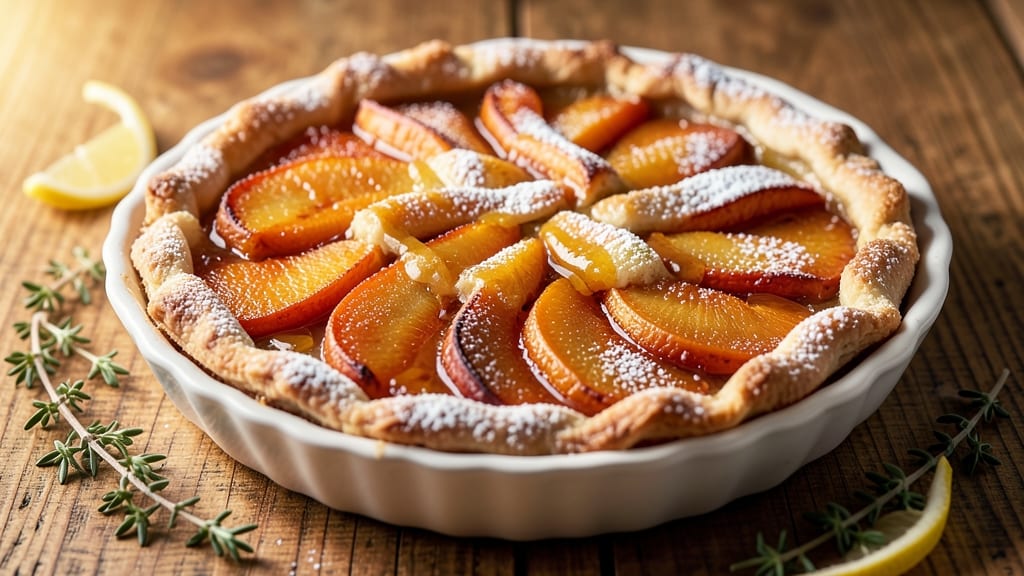
This quince pie recipe brings the rich, spiced sweetness of traditional Spanish and Latin American desserts to your kitchen with a modern twist. The aromatic filling, made from tender quince fruit simmered with cinnamon and sugar, pairs perfectly with a buttery oat-studded crust that adds texture and depth.
I first discovered this recipe during a trip to Andalusia, where quince pies were a staple in family gatherings—now it’s my go-to for autumn baking.
The process begins with peeling and cooking the quince until it transforms into a fragrant, jam-like consistency, then straining for a silky filling. The oat crown adds a delightful crunch that contrasts beautifully with the tender fruit.
While traditional recipes call for a lattice crust, this version simplifies with a single buttery layer that still delivers that signature rustic charm. The result? A pie with layers of flavor—spiced, fragrant, and just sweet enough to satisfy.
Baking at 375°F for 45-50 minutes ensures a golden crust and perfectly set filling, while a final touch of caramelized sugar adds an extra layer of sophistication. Serve warm with vanilla ice cream or whipped cream to balance the pie’s natural tartness.
This recipe honors tradition while offering flexibility—whether you stick to classic spices or experiment with modern twists like a vegan crust.
Perfect for holiday tables or cozy weeknight desserts, this quince pie delivers restaurant-quality results with minimal fuss. The aroma alone will have everyone gathering around the table, eager for a slice of this timeless treat. Let’s get started on creating something truly special.
Ingredients for quince pie
Six spices, one fruit, and a buttery crown—this is the heart of Andalusian autumn baking.
| Ingredient | Amount | Notes |
|---|---|---|
| Quince Fruits 🍊 | 4 whole | Medium-sized, firm and unblemished |
| Granulated Sugar 🍚 | 2 cups | White or light brown preferred |
| Ground Cinnamon 🌿 | 1 tbsp | Freshly ground for warmth |
| Ground Cloves 🌶️ | ½ tsp | Whole cloves crushed lightly |
| Lemon Juice 🍋 | 1 tbsp | Freshly squeezed, bright |
| Unsalted Butter 🧈 | 1 cup | Cold, cut into small pieces |
| All-Purpose Flour 🌾 | 1 ½ cups | Sifted for light crust |
| Old-Fashioned Rolled Oats 🥣 | ½ cup | Coarsely chopped for texture |
| Coarse Sugar 🍚 | ¼ cup | For oat crown topping |
| Large Egg 🥚 | 1 whole | Room temperature for binding |
| Diamond Crystal Kosher Salt 🧂 | ½ tsp | For crust seasoning |
| Vanilla Extract 🌸 | ½ tsp | Pure, high-quality |
| Heavy Cream 🥛 | ¼ cup | Optional for brushing crust |
Quince is the star, so pick firm, unblemished fruits—they should feel heavy for their size. Most grocery stores carry them in fall, but Latin markets or specialty shops often have better selection. If you can't find fresh quince, high-quality quince paste works in a pinch (though it lacks that homemade depth). Peel them carefully—the skin's bitterness lingers. For the spices, Penzeys or local spice shops carry the best ground cinnamon and whole cloves. Toast the cloves briefly in a dry pan before grinding for extra aroma (worth the extra minute).
No quince? Pear or apple chunks (tossed with extra lemon juice) mimic the texture, though they lack the pie's signature floral notes. Running short on sugar? Substitute honey at a 1:1 ratio, but reduce the liquid in the filling by 1 tbsp to balance. The oats in the crust can be swapped for crushed graham crackers if you're avoiding gluten. For the butter, European-style unsalted (like Plugrá) melts more smoothly, but regular works fine. The heavy cream brushing is optional but adds a golden sheen—skip it if you're watching calories.
Quince filling keeps in the fridge for 5 days if stored in an airtight container, but it's best used fresh. The crust dough can be prepped 24 hours ahead and chilled—wrap it tightly in plastic to prevent drying. Once baked, the pie reheats beautifully in a 350°F oven for 10 minutes, especially if you brush it with a little cream afterward. Freeze slices wrapped in parchment for up to 3 months—just thaw at room temp before serving. The aroma alone will have your kitchen smelling like a Spanish bakery.
Why You'll Love This Recipe
- Fewer Steps Than You Think: I swear by this recipe because quince needs zero fancy prep—just peel, core, and slice. No peeling mandarins or wrestling with stubborn skins here. Honestly, the hardest part is waiting for the filling to set.
- Spiced Honey Notes: That cinnamon-clove combo? It’s like autumn in a pie. The lemon juice brightens the quince’s natural tartness, but the spices linger—warm, deep, and just sweet enough. My husband’s first bite had him asking, “What’s in this?”
- Holiday or Everyday: Between us, I serve this at Thanksgiving and lazy Sunday breakfasts. The crust holds up for days, and the filling tastes even better reheated with a scoop of vanilla ice cream. (Yes, even on a Tuesday night.)
- Quince Stretch: One pie lasts my family weeks—we eat it cold, warmed, or as a quick dessert after dinner. And since quince is cheap in season, this recipe saves me money while feeling fancy. Budget-friendly? More like steal-worthy.
Step-by-step instructions for quince pie recipe
Here's how to transform tart quince into a fragrant, spiced filling with a signature buttery oat crown.
Prepare the Quince Filling
Peel the 4 whole quince fruits and cut them into even ½-inch thick slices. You'll want to remove any seeds or fibrous cores completely—this ensures a smooth texture in your filling. Place the quince slices in a large pot and cover them completely with cold water. Add the 1 tablespoon lemon juice to prevent browning and keep the fruit firm.
Bring the water to a boil over medium-high heat, then reduce to a simmer for 10-12 minutes until the quince slices are tender when pierced with a knife. Drain the quince thoroughly, reserving any cooking liquid if it's particularly fragrant. Transfer the cooked quince to a food processor and pulse until you achieve a chunky, rustic texture—think between applesauce and diced fruit. This preserves the quince's natural structure while still creating a cohesive filling.
Create the Spiced Filling Mixture
In a large mixing bowl, combine the processed quince with the 2 cups granulated sugar, 1 tablespoon ground cinnamon, and 0.5 teaspoon ground cloves. Mix thoroughly until the sugar is completely dissolved and the spices are evenly distributed. The mixture should be thick but pourable—if it's too stiff, add 1-2 tablespoons of the reserved quince cooking liquid to loosen it.
Here's the thing—quince has natural pectin that thickens as it cooks, but we want a filling that's just firm enough to hold its shape without being gluey. Stir in the 0.5 teaspoon vanilla extract and 0.5 teaspoon diamond crystal kosher salt, then taste the mixture. You should detect the warm spices prominently, with a subtle tartness from the quince balanced by sweetness. If needed, adjust the sugar slightly (though the recipe is designed to be perfect as written).
Assemble the Crust and Oat Crown
In a separate bowl, combine the 1.5 cups all-purpose flour, 0.5 cup old-fashioned rolled oats, 0.25 cup coarse sugar, and 0.5 teaspoon diamond crystal kosher salt. Cut in the 1 cup unsalted butter using a pastry cutter or your fingers until the mixture resembles coarse crumbs with pea-sized butter pieces remaining. Add the 1 whole large egg and mix until just combined—don't overwork the dough or you'll develop gluten and end up with tough crust.
Press half of the dough into a 9-inch pie dish, creating an even ¼-inch thick crust. Pour in the quince filling, mounding it slightly in the center. Crumble the remaining dough over the top, then sprinkle with the chopped oats. For extra shine, brush the crust with the 0.25 cup heavy cream using a pastry brush. This creates that signature buttery oat crown that's both decorative and delicious.
Bake to Golden Perfection
Preheat your oven to 375°F. Place the assembled pie on a baking sheet lined with parchment paper to catch any drips. Bake for 50-55 minutes until the crust is deep golden brown and the filling is bubbling gently at the edges. You'll know it's done when the oat crown is crisp and the filling has thickened to a jam-like consistency—it should pull away slightly from the edges of the pie dish.
Let the pie cool completely on a wire rack before slicing. This resting period allows the filling to set properly and prevents it from running when you serve it. The contrast between the warm spiced filling and the crisp oat crown makes every bite worth the wait. Serve with vanilla ice cream or whipped cream for the ultimate dessert experience.
Pro Tips For Making Quince Pie
- PEEL AND CORE QUINCES FIRST: Quince skin turns rubbery when cooked—peel them raw with a sharp knife (no need to boil). Cut out the core like an apple, but leave the bottom intact so they don’t fall apart when simmering. I learned this the hard way after watching a batch of sliced quince turn to mush.
- SIMMER QUINCES LOW AND LONG: Skip the high heat—simmer quince in sugar and spices at a gentle bubble (160–170°F) for 20–25 minutes. Too fast, and they’ll turn grainy; too slow, and they won’t soften. Stir occasionally, but not obsessively—quince releases pectin like a stubborn secret.
- USE LEMON JUICE SPARINGLY: A splash (2–3 tablespoons) brightens the flavor, but too much makes the filling taste sharp. Add it after the quince has simmered 10 minutes—just enough to balance sweetness, not drown it. I once added a whole lemon and spent 10 minutes tasting, then regretting.
- CHILL THE FILLING BEFORE BAKE: Let the quince mixture cool to room temp (about 30 minutes) before filling the crust. Cold filling prevents a soggy bottom and helps the spices meld. Yes, it’s tempting to rush, but your crust will thank you—especially if it’s homemade.
Regional styles of this quince pie
Spanish Andalusian
In Andalusia, quince pie—known as tarta de membrillo—is a beloved autumn tradition, often served with Manchego cheese or sherry for a perfect balance of sweet and salty.
The filling here uses whole cloves and cinnamon for warmth, while the crust is traditionally made with lard instead of butter for extra flakiness. I’ve adapted this version to use butter for easier access, but if you’re feeling adventurous, swap in 2/3 cup lard for the butter in the crust.
The oat crown is a modern twist, but in Spain, you’ll often see a simple sugar sprinkle or a lattice pattern. 🌿
Mexican Dulce de Membrillo
Mexico’s version of quince pie, pastel de membrillo, leans into tropical flavors with additions like orange zest and anise seeds in the filling. The crust is often enriched with orange liqueur for a bright, citrusy note.
For a Mexican-inspired twist, add 1 teaspoon orange zest and ½ teaspoon anise seeds to the quince filling, and replace the vanilla with 1 teaspoon orange liqueur. Serve with a scoop of cajeta (goat’s milk caramel) for dipping.
The spices here create a fragrant, almost floral aroma that’s distinctly Mexican. 🍊
Middle Eastern Quince Pastries
In countries like Turkey and Iran, quince is often baked into small, individual pastries called kaymaklı or shirini, where the fruit is paired with rosewater and cardamom instead of cinnamon.
For a Middle Eastern-inspired quince pie, replace the cinnamon and cloves with 1 teaspoon ground cardamom and ½ teaspoon rosewater in the filling. The crust can be made with semolina flour for a nutty, textured base.
These pastries are typically smaller and baked in muffin tins, but you can adapt the recipe by dividing the filling into 6 ramekins and baking at 350°F for 25-30 minutes. 🌸
Modern Vegan Adaptation
For a vegan version, replace the butter in the crust with 1 cup vegan butter or coconut oil, and use flax eggs (1 tablespoon ground flaxseed + 3 tablespoons water) instead of the chicken egg.
The filling remains the same, but you can enhance the flavor with vanilla bean paste for extra depth. The oat crown can be made vegan by brushing it with plant-based cream instead of heavy cream.
This adaptation keeps all the warmth and spice of the original while making it accessible for plant-based diets. 🌱
French Tarte aux Coings
France’s tarte aux coings (quince tart) often features a puff pastry crust and a filling that includes calvados (apple brandy) for a boozy depth. To make a French-style quince pie, replace the crust with store-bought puff pastry or homemade pâte feuilletée.
Add 2 tablespoons calvados or apple brandy to the quince filling while simmering to infuse it with apple-like notes. The result is a lighter, flakier crust that pairs beautifully with the spiced filling. Serve with a dollop of crème fraîche for a touch of French elegance. 🍷
Nutrition facts
Frequently asked questions
Why does quince need to be peeled before cooking?
The skin of quince contains natural tannins that create a bitter, astringent flavor. Peeling ensures your filling has that delicate balance of sweetness and spice without any unpleasant aftertaste. The flesh alone delivers the floral, honey-like notes that make quince pie so special.
Can I substitute quince with another fruit?
Yes, but expect different results. For texture, try pears or apples (use tart varieties like Granny Smith) with extra lemon juice to mimic quince's natural pectin. For flavor, persimmons or Asian pears come closest, though they lack quince's signature floral aroma.
How do I know when the quince filling is done?
The filling is ready when it thickens to a jam-like consistency and pulls away slightly from the edges of the pan. It should coat the back of a spoon but still be spoonable. If it's too runny, simmer uncovered for 3-5 more minutes—never add more sugar, as it needs time to set properly.
Why does my quince pie crust turn soggy?
This usually happens when the filling isn't fully thickened before baking or the crust isn't pre-baked (blind-baked). For best results, let the filling cool slightly before pouring into the crust, and bake the crust for 10 minutes before adding filling to create a barrier.
Can I make this pie ahead of time?
The crust can be prepped 24 hours ahead and stored in the fridge. The assembled pie is best baked fresh, but you can refrigerate it (covered) for 2 days or freeze for 3 months. Reheat slices in a 350°F oven for 10 minutes to restore warmth.