
Desserts
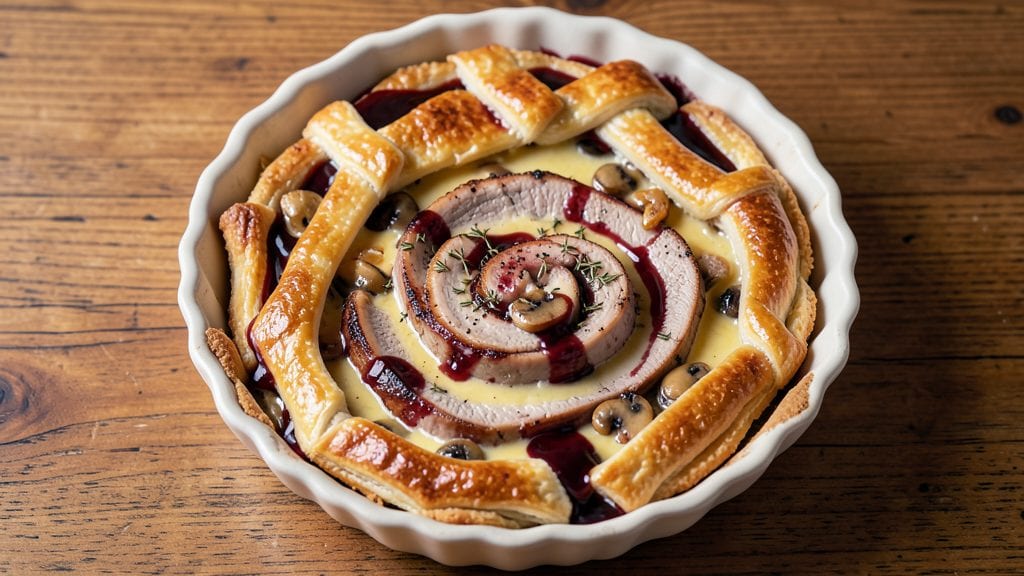
This rabbit pie recipe brings rustic French tradition to your kitchen with tender rabbit meat, rich gravy, and a golden, flaky pastry crown that seals in every savory bite. The key to success lies in properly seasoning and slow-cooking the rabbit until it falls apart—no tough, chewy results here.
What makes this dish special is the balance between the gamey richness of the meat and the delicate, buttery crust that encases it.
The preparation begins with carefully browning the rabbit pieces to develop deep, caramelized flavors, then simmering them in a flavorful stock until fork-tender. Meanwhile, a classic French-style pastry dough comes together with just a few simple ingredients—flour, butter, and a touch of salt—to create that signature flaky texture.
The filling is then assembled in a pie dish, topped with the pastry, and baked until golden and crisp.
What you’ll end up with is a pie that’s both comforting and impressive—a centerpiece for special occasions or a hearty meal on a chilly evening. The gravy, thickened just right, soaks into the flaky crust with every bite, while the tender rabbit melts in your mouth.
This is the kind of dish that feels like a hug in food form, perfect for those who appreciate traditional techniques with modern ease.
For those looking to adapt the recipe, a vegetarian version using mushrooms or lentils can replicate the earthy depth of rabbit while keeping the same rustic charm. The flaky crust remains the star, ensuring every slice delivers that satisfying contrast of textures. Ready to create this classic with confidence?
Ingredients for rabbit pie
Sixteen simple ingredients transform into a rustic French masterpiece with tender rabbit and flaky pastry.
| Ingredient | Amount | Notes |
|---|---|---|
| Rabbit Meat 🐇 | 2 lb | Boneless, cut into 1-inch pieces |
| All-Purpose Flour 🌾 | 4 cups | For pastry dough and gravy |
| Unsalted Butter 🧈 | 1 ½ cups | Cold, cubed for pastry |
| Heavy Cream 🥛 | 1 cup | Full-fat for richness |
| Chicken Stock 💧 | 2 cups | Homemade preferred |
| Red Wine 🍷 | ½ cup | Dry, like Cabernet Sauvignon |
| Garlic Cloves 🧄 | 4 cloves | Minced for depth |
| Shallots 🧅 | 2 whole | Finely chopped |
| Fresh Thyme 🌿 | ¼ cup | Leaves only, chopped |
| Bay Leaves 🍃 | 2 whole | Dried, for slow infusion |
| Salt 🧂 | 1 ½ tsp | Kosher or sea salt |
| Black Pepper 🌶️ | ½ tsp | Freshly cracked |
| Ice Water ❄️ | ½ cup | For pastry dough |
| Egg 🥚 | 1 whole | For egg wash |
Rabbit meat is the heart of this pie, so source it from a trusted game supplier or specialty butcher. Look for pieces with minimal connective tissue—this ensures tender results. Costco or local farms often carry rabbit in season, typically from late fall through spring. If you can't find rabbit, venison or lean pork shoulder works as a substitute, though the flavor will differ. For the pastry, high-fat butter (80%+) is non-negotiable—it's what creates that signature flakiness. I always buy European-style butter from Whole Foods or Trader Joe's for the best results.
No red wine? Substitute with additional chicken stock and a splash of balsamic vinegar—it adds depth without overpowering. Fresh thyme is ideal, but dried thyme at one-third the amount works in a pinch. For the pastry dough, chilled butter is essential—don't skip the cold resting time. If you're short on time, freeze the butter cubes for 20 minutes before mixing. The shallots can be swapped for regular onions, though they'll add a slightly sharper bite. For a vegetarian version, mushrooms or lentils can mimic the meaty texture while keeping the rustic charm.
The rabbit filling keeps well in the fridge for 3-4 days, though the pie is best enjoyed within 2 days of baking. The pastry dough can be prepped ahead and stored in the fridge for up to 2 days or frozen for 3 months. To reheat slices, warm in a 350°F oven for 10-12 minutes—this restores the flakiness. For make-ahead convenience, assemble the pie and refrigerate overnight before baking. The flavors meld beautifully, resulting in an even more cohesive dish.
Why You'll Love This Recipe
- One-Pan Magic: I swear by this recipe on busy nights—just brown the rabbit, toss in the roux, and let the cream do the work. No chopping veggies, no last-minute prep, just hands-off richness in under an hour.
- Rich Without Effort: That buttery flour roux and heavy cream make it taste like a restaurant dish, but honestly? It’s just a few whisked strokes away. The stock keeps it deep and savory, while the rabbit stays tender—no dry, gamey struggle here.
- Leftovers That Shine: Between us, this pie begs for seconds, and the flavor only gets better the next day. Reheat it gently, and suddenly you’ve got a lazy Sunday lunch or a weeknight dinner that feels like a treat—no one will guess it’s from last night.
- Budget-Friendly Luxury: Rabbit’s leaner than chicken but packs serious flavor, and this recipe stretches it into a hearty, filling meal. I’ve fed four people for under $15, and they’ve all asked for the recipe—proof it’s a smart, satisfying splurge.
Step-by-step instructions for rabbit pie recipe
Master the art of rustic French pastry with this method that delivers tender rabbit and a golden, flaky crown.
Prepare the Rabbit Filling
Pat the 2 lb rabbit meat thoroughly dry with paper towels to remove any moisture. This step is crucial for achieving a crispy, golden-brown crust later. Cut the meat into 1-inch pieces for even cooking.
In a large Dutch oven, heat 1 tablespoon of the unsalted butter over medium-high heat. Add the rabbit pieces in batches, ensuring they don't overcrowd the pan. Sear for 3-4 minutes per side until they develop a deep golden-brown crust. Remove the meat and set it aside.
In the same Dutch oven, add the remaining 1.4 cups unsalted butter and melt over medium heat. Add the 2 whole shallots and 4 cloves garlic cloves, cooking for 5 minutes until softened. Stir in the 0.25 cup fresh thyme and 2 whole bay leaves, cooking for another 1 minute until fragrant. Pour in the 0.5 cup red wine and let it simmer for 3 minutes to reduce slightly.
Return the rabbit meat to the Dutch oven and pour in the 2 cups chicken stock. Bring to a gentle simmer, cover, and cook for 45-50 minutes until the rabbit is fork-tender and the sauce has reduced by half. Season with 1.5 teaspoons salt and 0.5 teaspoon black pepper. Remove the bay leaves before continuing.
Create the Pastry Dough
In a large mixing bowl, combine the 4 cups all-purpose flour and 1.5 teaspoons salt. Cut in the 1.5 cups unsalted butter using a pastry cutter or your fingers until the mixture resembles coarse crumbs with pea-sized butter pieces remaining.
Add the 1 whole egg and 0.5 cup ice water, mixing just until the dough comes together. Avoid overworking the dough—handle it gently to maintain a tender texture. Divide the dough into two equal portions, flatten each into a disk, wrap in plastic wrap, and refrigerate for at least 1 hour to rest.
Assemble and Bake the Pie
Preheat your oven to 375°F. Roll out one of the chilled dough disks on a lightly floured surface to fit the top of your Dutch oven, about 1/8-inch thick. Carefully transfer the dough to the Dutch oven, pressing gently to seal any edges.
Roll out the second dough disk to create a pastry crown. Cut a 1-inch wide strip around the edge of the dough, then cut the center into 1-inch wide strips. Brush the top of the pie with the 1 cup heavy cream, then arrange the pastry strips in a decorative pattern on top, pressing the edges firmly to seal. Brush the strips with more cream to create a golden finish.
Bake the pie for 45-50 minutes until the pastry is deep golden brown and the filling is bubbling. If the pastry starts to brown too quickly, loosely cover it with aluminum foil. Remove from the oven and let the pie rest for 15 minutes before serving to allow the juices to set.
Pro Tips For Making Rabbit Pie
- BROWN THE RABBIT FIRST: Skip the slow start—sear the rabbit pieces in batches over high heat until deeply browned. That crust locks in flavor and keeps the meat from drying out during the long bake. I used to rush this, and the pie always tasted bland compared to when I take the extra 10 minutes.
- USE COLD BUTTER FOR PASTE: Cut the cold unsalted butter into the flour for the paste with a pastry cutter or your fingers—don’t melt it first. Cold butter creates flaky layers, and this pie’s crust needs to hold its own against the rich filling. I learned this the hard way after a soggy bottom disaster.
- STRAIN THAT STOCK TWICE: Rabbit meat can make stock cloudy, but a double-strain through a fine-mesh sieve keeps the cream-based filling silky smooth. Pour the stock through a cheesecloth-lined strainer first, then a sieve—it’s worth the extra minute to avoid a gritty texture.
- DON’T SKIP THE REST: Let the cooked rabbit filling cool to room temp before assembling the pie—even if you’re eager to bake. Cold filling prevents a soggy crust and gives the flavors time to meld. I know, I know, but trust the process—your future self will thank you.
Common mistakes when making this recipe
Overcooking the Rabbit
The most common mistake is letting the rabbit dry out during the slow cook. Rabbit meat is lean and delicate, so once it reaches fork-tender status (around 45-50 minutes), it’s ready. Overcooking by even 10-15 minutes turns the meat tough and chewy.
I’ve ruined a pie this way—trust your instincts and check for tenderness early. A meat thermometer set to 160°F internal temperature is your best friend here. 🌡️
Skipping the Sear
Many cooks rush through the searing step, but this is where deep, caramelized flavors develop. If you skip it or undercook the rabbit pieces (less than 3-4 minutes per side), your pie will taste flat and one-dimensional.
I’ve found that browning the meat in batches—even if it takes extra time—makes all the difference. Use a heavy Dutch oven like All-Clad to ensure even heat distribution.
Underestimating Pastry Rest Time
Cold butter is non-negotiable for flaky pastry, but many home cooks skip the 1-hour rest in the fridge. This step allows the gluten to relax, preventing a tough crust. I’ve seen doughs that were handled too soon turn out dense and chewy.
If you’re short on time, freeze the dough disks for 20 minutes—it works in a pinch. Never, ever skip this step entirely.
Poor Gravy Thickening
Some recipes call for thickening the gravy with a roux, but rabbit pie’s sauce relies on natural reduction. If you don’t simmer the filling long enough (at least 45 minutes), the sauce will be watery.
I’ve fixed this by reducing the liquid over low heat for an extra 10-15 minutes uncovered. Avoid adding flour directly to the filling—it can make the sauce grainy. Instead, let the stock and wine reduce naturally.
Sealing the Pastry Improperly
Leaky pies are a tragedy, and it usually happens because the edges weren’t sealed tightly. Press the dough strips firmly against the rim of the Dutch oven, then crimp with a fork for extra security.
I’ve used egg wash (1 egg beaten with 1 tbsp water) to help the pastry adhere and create a golden finish. If the pie leaks during baking, cover it loosely with foil to prevent burning while you troubleshoot.
Ignoring the Rest Time
After baking, letting the pie rest for 15 minutes before slicing is crucial. Skipping this step causes the juices to spill out, leaving you with a dry, disappointing slice. I’ve learned this the hard way—cutting into a pie too soon turns it into a soggy mess.
Use this time to set the table or make a quick side dish. Patience pays off with every golden, flaky bite. ✨
Nutrition facts
Frequently asked questions
Can I make rabbit pie with frozen rabbit meat?
Frozen rabbit works, but thaw it completely in the refrigerator (overnight) before using. Never thaw at room temperature, as this promotes bacterial growth. Pat the meat thoroughly dry after thawing to ensure a proper sear. For best results, use fresh rabbit whenever possible—it yields more tender, flavorful meat.
What's the best way to store leftovers?
Store leftovers in an airtight container in the fridge for up to 3 days. Reheat slices in a 350°F oven for 10-12 minutes to restore the flaky crust. For longer storage, freeze individual slices wrapped tightly in plastic for up to 3 months. The pastry texture won't be as crisp after freezing, but the filling remains delicious.
How do I make this vegetarian?
Replace the rabbit with 1.5 lbs mushrooms (cremini or portobello) or 1.5 cups cooked lentils for a meaty texture. Sauté mushrooms with garlic and thyme until deeply browned, then proceed with the recipe as written. The pastry crown technique remains the same—this vegetarian version keeps all the rustic charm.
Why did my pastry turn out tough instead of flaky?
Tough pastry usually means the butter wasn't cold enough or the dough was overworked. Always chill the butter cubes and dough between steps. Handle the dough gently—just until it comes together. For extra flakiness, fold the dough 2-3 times before rolling out. The key is keeping everything cold and minimizing handling.
Can I use a different type of pie dish?
A Dutch oven is ideal for even heat distribution, but you can adapt this recipe to a 9-inch pie dish or oven-safe skillet. Reduce the oven temperature to 350°F and increase baking time by 10-15 minutes to prevent burning. The pastry crown technique works with any round dish—just adjust the dough size accordingly.