Salads
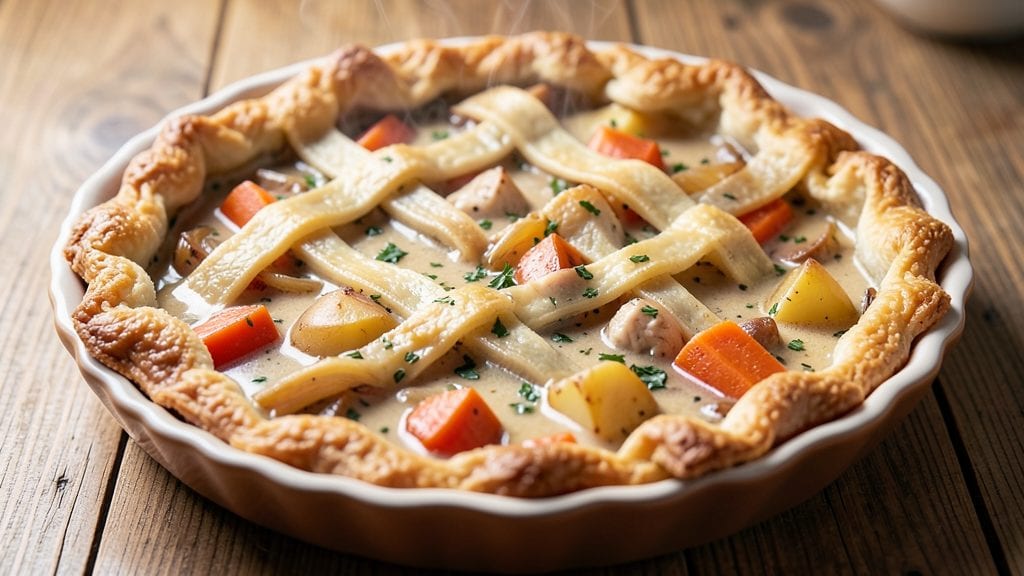
This root vegetable pot pie recipe transforms humble winter vegetables into a comforting, flaky-crusted masterpiece that feels like a warm hug on chilly evenings.
The secret lies in perfectly caramelized root vegetables—carrots, parsnips, and potatoes—simmered in a savory broth until tender yet still holding their shape, then topped with a golden, flaky crust that becomes irresistibly crispy around the edges.
What sets this recipe apart is the balance between rustic tradition and modern convenience. You'll start by sautéing onions and garlic to build a flavorful base before adding the vegetables, ensuring every bite is infused with depth.
The filling is then topped with either a classic pie crust or a simpler biscuit dough, depending on your preference and time. Baking transforms the dish into a golden, bubbling centerpiece that smells like home.
The result is a pot pie with layers of texture—tender vegetables, rich gravy, and a flaky crust that shatters with each bite. It’s hearty enough to satisfy a family dinner but simple enough to prepare in one evening.
The versatility of this recipe means you can swap in seasonal roots like sweet potatoes or rutabaga, or even add protein like chicken or mushrooms for extra heartiness.
Serve it with a simple green salad or crusty bread to soak up every last bit of the savory filling. This pot pie is the ultimate comfort food—perfect for cozy nights in or sharing with loved ones. Let’s get started on creating your own version of this timeless classic.
Ingredients for root vegetable pot pie
Humble roots and flaky crust—this pot pie needs just 14 ingredients for a cozy winter meal.
| Ingredient | Amount | Notes |
|---|---|---|
| Yellow Onion 🧅 | 1 ½ cups | Diced, about 1 large whole |
| Garlic Cloves 🧄 | 4 cloves | Minced, fresh preferred |
| Carrots 🥕 | 2 cups | Diced, about 3 medium whole |
| Parsnips 🥕 | 2 cups | Diced, about 2 medium whole |
| Russet Potatoes 🥔 | 2 cups | Diced, about 2 medium whole |
| Chicken Broth 🍲 | 2 ½ cups | Low-sodium preferred |
| Heavy Cream 🥛 | ½ cup | Full-fat for richness |
| Unsalted Butter 🧈 | ½ cup | Cold, cubed for crust |
| All-Purpose Flour 🌾 | 2 ½ cups | Plus 1 tbsp for dusting |
| Ice Water 💧 | ½ cup | For dough elasticity |
| Salt 🧂 | 1 ½ tsp | Kosher or sea salt |
| Black Pepper 🌶️ | ½ tsp | Freshly ground preferred |
| Fresh Thyme Leaves 🌿 | 1 tbsp | Chopped, or 1 tsp dried |
| Fresh Parsley 🌿 | ¼ cup | Chopped, for garnish |
The roots are the heart of this pie. Parsnips add natural sweetness, while carrots and potatoes bring hearty texture. Grab them fresh from the produce section—Trader Joe's or Whole Foods have the best selection. Look for firm, unblemished roots with vibrant color. For the crust, cold butter is non-negotiable—it creates those signature flaky layers. I always buy Plugrá butter for its rich flavor, but any high-quality brand works. The thyme? Fresh is best, but dried works in a pinch if you've got it.
No parsnips? Sweet potatoes or rutabaga work perfectly—they just need a little more time to soften. Short on broth? Vegetable broth plus 1/4 cup water does the trick. The crust can be made ahead and chilled for up to 2 days—just let it sit at room temp for 15 minutes before rolling. For extra richness, add 1 tbsp sour cream to the filling. And if you're feeling fancy, swap the parsley garnish for chives or chervil—they add a bright pop of color.
This pie reheats beautifully—just cover with foil and bake at 375°F for 15 minutes. The crust stays crispy, and the filling gets even more flavorful. Store leftovers in an airtight container for up to 4 days in the fridge. For freezing, bake the pie first, then wrap tightly in foil and freeze for up to 3 months. The filling can also be prepped ahead and refrigerated for 2 days before adding the crust.
Why You'll Love This Recipe
- One-Pan Magic: I swear by this recipe because it’s basically hands-off after the chopping. Toss everything—onion, garlic, carrots, parsnips, and potatoes—into one pot with broth, let it simmer while you stir in the filling, then bake. That’s it. No fussing with multiple dishes.
- Sweet-Savory Symphony: The parsnips add a natural sweetness that balances the earthy potatoes and carrots, while the garlic and onion build layers of warmth. Honestly, the first bite makes me pause—I didn’t think root veggies could taste this rich.
- Meal Prep MVP: Double the batch and freeze half for those nights when you’d rather scroll than cook. Reheats beautifully, and the crust stays crispy even after a day in the fridge. My go-to for lazy Sundays or when I’m drowning in work emails.
- Budget Crust Booster: Use store-bought puff pastry (or even pie dough) to cut costs, but the flavor? Still ridiculous. Between us, the veggies stretch further than most takeout, and the leftovers taste just as good cold the next day—perfect for packed lunches.
Step-by-step instructions for root vegetable pot pie
Here's how to make a golden, flaky crust that hugs tender root veggies perfectly every time.
Cook the Vegetable Filling to Tender Perfection
In a large Dutch oven, melt the 0.5 cup unsalted butter over medium heat. Add the 1.5 cups diced yellow onion and cook for 5 minutes until softened and translucent. Add the 4 cloves minced garlic cloves and cook for 30 seconds until fragrant—don't let it brown or it'll turn bitter.
Add the 2 cups diced carrots, 2 cups diced parsnips, and 2 cups diced russet potatoes all at once. Stir well to coat in the butter. Pour in the 2.5 cups chicken broth, then sprinkle with 1 tbsp fresh thyme leaves, 1.5 tsp salt, and 0.5 tsp black pepper. Bring to a boil, then reduce heat to medium-low and simmer uncovered for 20-25 minutes until all vegetables are fork-tender and most of the liquid has evaporated. The filling should be thick enough to coat the back of a spoon but still moist.
Make the Flaky Crust Dough
In a large mixing bowl, combine the 2.5 cups all-purpose flour and 1.5 tsp salt. Cut in the 0.5 cup cold unsalted butter using a pastry cutter or your fingers until the mixture resembles coarse crumbs with pea-sized butter pieces. This is crucial for creating flaky layers—don't overwork the dough.
Add the 0.5 cup ice water gradually, one tablespoon at a time, mixing gently with a fork until the dough just comes together. It should hold when pressed but still feel slightly crumbly. Turn the dough onto a lightly floured surface and knead just 4-5 times until smooth. Wrap in plastic wrap and chill in the refrigerator for 30 minutes while you preheat the oven to 375°F.
Assemble and Bake the Pot Pie
Roll out the chilled dough on a lightly floured surface to about 12x10 inches—thicker in the center, thinner toward the edges. Carefully transfer the vegetable filling to a 9x13-inch baking dish and spread it evenly. Roll out the dough again if needed to fit over the dish.
Place the dough over the filling, tucking the edges in and trimming as needed. Cut 4-5 slits in the center to allow steam to escape. Brush the top with a little ice water (about 1 tablespoon) to help it brown. Bake for 40-45 minutes until the crust is golden brown and the filling is bubbling through the slits. The internal temperature should reach 185°F when checked in the thickest part of the filling.
Rest and Serve with Fresh Garnish
Remove the pot pie from the oven and let it rest for 10 minutes before serving. This resting time allows the filling to set slightly and makes it easier to slice without spilling. The crust should be crisp and flaky, while the filling remains tender and flavorful.
Garnish with 0.25 cup chopped fresh parsley just before serving. The bright green color contrasts beautifully with the golden crust and earthy vegetables. Serve warm with a side of crusty bread to soak up any extra filling. The combination of the flaky crust and hearty vegetables makes this pot pie a comforting winter classic.
Pro Tips For Making Root Vegetable Pot Pie
- Parboil the Potatoes First: I learned this the hard way—skipping this step turns your potatoes into mush. Cut them into even 1-inch chunks, boil for 5 minutes, then drain. They’ll hold their shape under the pie’s weight and won’t turn to glue in the filling.
- Slice Parsnips Thinly: Thick parsnip chunks stay undercooked while carrots and onions turn to mush. Use a mandoline or sharp knife for ¼-inch slices—this ensures even cooking without waiting for the toughest bits to soften.
- Salt the Water for Onions: After sautéing onions and garlic, add ½ teaspoon salt to the pot with the root veggies. It crisps the edges of the onions just enough to balance the sweetness of the carrots and parsnips—no extra seasoning needed later.
- Bake the Crust Separately: Pre-bake the pie crust at 375°F for 12 minutes before adding filling. It prevents a soggy bottom (yes, even with parboiled potatoes) and gives you a golden, flaky top that holds up to the steam. Skip this, and you’ll regret it.
Dietary considerations for these flavors
Gluten-Free Crust
Swap the all-purpose flour crust for a gluten-free blend like King Arthur Measure for Measure or Bob's Red Mill 1:1. Use the same dough method but add 1 tsp xanthan gum to the dry ingredients for binding.
Chill the dough for 45 minutes—gluten-free dough needs extra time to firm up. Brush with olive oil instead of water for browning. 💪
Dairy-Free Filling
Replace the heavy cream with full-fat coconut milk (1 can, well-shaken) for richness. Use dairy-free butter like Miyoko's in the crust and Earth Balance for sautéing. The coconut milk adds a subtle sweetness that complements the root vegetables beautifully.
Vegetarian Adaptations
Boost the filling with mushrooms (2 cups, sliced) or lentils (1 cup, cooked) for extra protein. Add 1 tbsp soy sauce or miso paste to deepen the umami flavor. For a vegan crust, use vegan butter and flax egg (1 tbsp ground flax + 3 tbsp water) as a binder.
Low-Carb Options
Reduce the potatoes to 1 cup and add 1 cup cauliflower florets for bulk. Use almond flour (2 cups) mixed with 1 tbsp psyllium husk for the crust. The filling will have fewer carbs while keeping the same hearty texture. 🥕
Allergen-Friendly Tips
For nut allergies, avoid almond flour in crusts—opt for oat flour or chickpea flour instead. Always check labels on broths and spices for hidden allergens. I keep gluten-free oats and certified gluten-free spices on hand for safe swaps.
Protein Boost
Add 1 cup cooked quinoa or 1 lb shredded chicken to the filling for extra protein. If using chicken, season it with 1 tsp smoked paprika and ½ tsp garlic powder before adding to the pot. The protein helps keep you full longer while maintaining the dish's comforting qualities.
Nutrition facts
Frequently asked questions
Can I make this pot pie without a pie crust?
Swap the crust for a biscuit topping by mixing 2 cups flour, 1 tsp baking powder, ½ tsp salt, 6 tbsp cold butter, and ½ cup buttermilk. Drop spoonfuls over the filling and bake at 400°F for 25-30 minutes until golden. This creates a tender, flaky alternative that's just as satisfying!
How do I prevent a soggy crust?
Prevent sogginess by baking the filling uncovered for 10 minutes before adding the crust to evaporate excess moisture. Brush the crust with ice water or egg wash for browning, and never overfill the dish—keep the filling ½ inch below the crust's edge. A thin layer of crushed cornflakes between the filling and crust adds extra crunch!
What's the best way to reheat leftovers?
Reheat slices in a 350°F oven for 15-20 minutes covered with foil, then uncover for the last 5 minutes to crisp the crust. For microwave reheating, cover with a damp paper towel and heat in 30-second intervals until warm—this keeps the crust from getting rubbery. The filling reheats beautifully while maintaining its creamy texture!
Can I use frozen root vegetables?
Yes, but thaw and pat them dry first to avoid excess moisture in the filling. Frozen roots work best in the carrots and parsnips—just add 2-3 extra minutes to the simmering time. Potatoes should always be fresh for the best texture. For extra flavor, sauté the thawed veggies in butter for 2 minutes before adding broth.
How do I make this ahead for meal prep?
Prepare the filling up to 2 days ahead and refrigerate it in an airtight container. Assemble the pie 4 hours before baking and refrigerate uncovered to dry the crust slightly. For freezing, bake the pie completely, cool, wrap tightly in foil, and freeze for up to 3 months. Thaw overnight in the fridge before reheating.