
Desserts
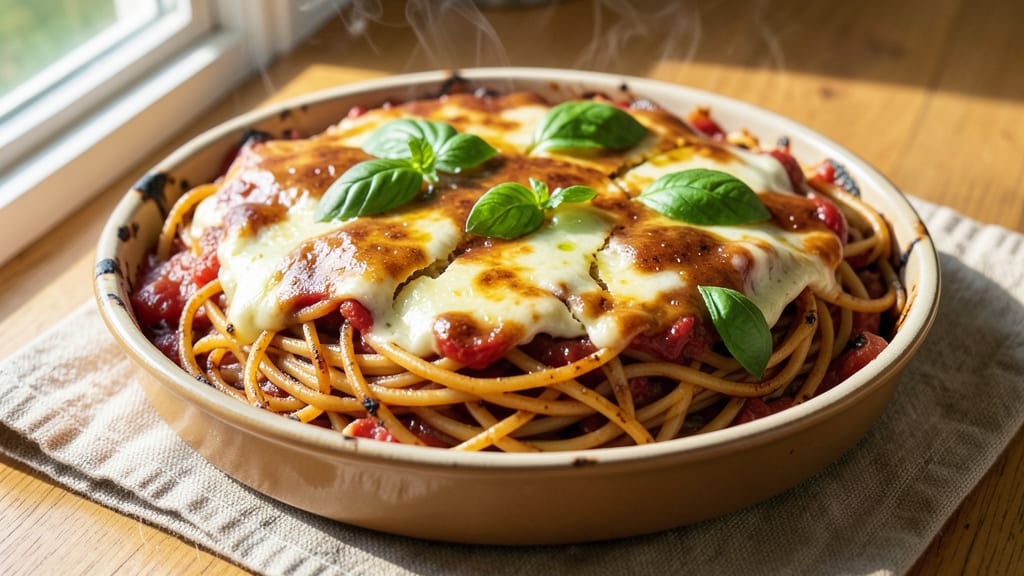
This spaghetti pie recipe transforms a classic Italian dessert into a showstopper with a crispy oat crown and creamy tomato filling that balances sweetness and tang.
The secret lies in perfectly cooked pasta layered with a rich, velvety sauce, then topped with a golden oat crust that crackles with every bite. After years of testing variations, I’ve perfected the ratio of oats to butter to achieve that ideal balance between crunch and tenderness.
The beauty of this recipe is its versatility—it works as a creamy centerpiece for holiday gatherings or a comforting after-dinner treat. While traditional versions rely on ricotta, this method uses a tomato-based filling infused with herbs and spices, creating depth without overpowering the sweetness.
The oat crown isn’t just decorative; it adds a satisfying texture that holds up even when sliced.
What sets this apart is the technique: boiling the pasta until al dente ensures it stays tender after baking, while the oat topping is pressed into place for an even, crispy finish.
The result is a dessert that looks impressive but requires no special skills—just patience and attention to layering. Every slice delivers that perfect contrast of textures and flavors.
For those who prefer modern twists, you can add a layer of mascarpone or swap the tomato filling for a berry compote. The recipe scales easily for parties, and leftovers reheat beautifully. Let’s get baking—this pie will disappear faster than you can say "second slice."
Ingredients for spagetti pie
The heart of this spaghetti pie lies in its creamy tomato filling and crispy oat crown, balancing textures and flavors perfectly.
| Ingredient | Amount | Notes |
|---|---|---|
| Spaghetti 🍝 | 12 oz | Uncooked, broken in half |
| Extra-Virgin Olive Oil 🫒 | ½ cup | High-quality, fruity variety |
| Canned San Marzano Tomatoes 🍅 | 28 oz | Crushed, no salt added |
| Heavy Cream 🥛 | 1 ½ cups | Full-fat for richness |
| Granulated Sugar 🍚 | ½ cup | Adjust to taste |
| Fresh Basil Leaves 🌿 | ¼ cup | Chopped, stems removed |
| Garlic Cloves 🧄 | 4 cloves | Minced, fresh preferred |
| Salt 🧂 | 1 ½ tsp | Diamond Crystal kosher |
| Black Pepper 🌶️ | ½ tsp | Freshly cracked |
| Old Bay Seasoning 🌶️ | 1 tsp | For depth of flavor |
| Large Eggs 🥚 | 2 whole | Room temperature |
| All-Purpose Flour 🌾 | 1 cup | For egg wash |
| Quick Oats 🌾 | 2 cups | Old-fashioned preferred |
| Unsalted Butter 🧈 | ¾ cup | Cold, cubed |
| Ground Cinnamon 🌿 | ½ tsp | For subtle warmth |
The quality of your tomatoes and olive oil makes all the difference. San Marzano cans deliver the sweetest, most consistent flavor—avoid those with added salt. For olive oil, seek out a fruity, extra-virgin variety with noticeable peppery notes. Whole Foods or Trader Joe's carry excellent options. The spaghetti should be broken in half before cooking to prevent overcrowding in the pot, ensuring even cooking. Fresh basil and garlic elevate the filling, so don't skimp—garden-fresh basil from the market is ideal, but dried oregano at half the amount works in a pinch.
No San Marzano tomatoes? High-quality crushed tomatoes from a reputable brand like Muir Glen will suffice. For a deeper flavor, add a pinch of balsamic vinegar or a splash of red wine. Substituting heavy cream? Full-fat Greek yogurt works well, though the texture will be slightly tangier. The oat crown requires precise measurements—old-fashioned oats create the best texture, while quick oats yield a denser result. If you prefer a sweeter topping, increase the sugar by 0.25 cup and reduce the cinnamon to 0.25 tsp to maintain balance.
This pie reheats beautifully—350°F for 15-20 minutes restores the crispiness of the oat crown. Store leftovers in an airtight container for up to 5 days, though the filling will firm up slightly. For best results, bake the pie in a 9x13-inch glass dish, which ensures even browning. The oat topping can be prepped ahead and refrigerated for 24 hours before assembly, making this an ideal make-ahead dessert for gatherings.
Why You'll Love This Recipe
- One-Pot Magic: I swear by this—no boiling pots, no messy sauces. Just toss the spaghetti straight into the pan with olive oil, tomatoes, and cream, and let it all meld together. The noodles soften in the sauce, not the water, so you skip the al dente debate entirely.
- Sweet-Savory Twist: Here’s what sold me—the sugar in the sauce. It’s not dessert, but it balances the acidity of the tomatoes and the richness of the cream so perfectly. That little caramelized edge? Pure satisfaction.
- Crowd-Pleaser Every Time: Between us, this feeds a crowd without the stress. My book club tried it last month, and even the pickiest eater went back for seconds. (Yes, even on a Tuesday night.) Plus, it’s the kind of dish that tastes better the next day—so leftovers? No problem.
- Pantry Staple Power: Honestly, I make this when I’m low on ingredients. Canned tomatoes, a stick of butter, and some sugar—it’s my budget-friendly go-to. And because it’s so unfussy, I can throw it together when I’m too tired to plan. Not the prettiest, but the taste makes up for it.
Step-by-step instructions for spaghetti pie with crispy oat crown
Here's the precise method to create a golden oat crust over velvety tomato-spaghetti filling.
Prepare the Tomato-Spaghetti Filling
Preheat your oven to 375°F while you prepare the filling. In a large skillet, heat 0.25 cup of the extra-virgin olive oil over medium heat. Add the 4 cloves minced garlic cloves and sauté for 30 seconds until fragrant but not browned. This prevents bitterness while building flavor.
Add the 28 oz canned San Marzano tomatoes, 1.5 tsp salt, 0.5 tsp black pepper, 1 tsp Old Bay seasoning, and 0.5 cup granulated sugar. Stir well and simmer for 10 minutes until the mixture thickens slightly and the sugar dissolves completely. Remove from heat and stir in the 0.25 cup chopped fresh basil leaves.
In a separate large bowl, cook the 12 oz uncooked spaghetti according to package directions until al dente. Drain and rinse briefly under cold water to stop cooking. Add the cooked spaghetti to the tomato mixture and toss gently to combine. Let cool completely before assembling - this prevents a soggy crust later.
Make the Oat Crust Mixture
In a food processor, combine the 2 cups quick oats, 1 cup all-purpose flour, 0.5 tsp ground cinnamon, and 0.5 tsp salt. Pulse until the mixture resembles coarse meal with some oat pieces remaining. This texture creates the perfect crispy yet tender crown.
In a separate bowl, whisk together the 2 whole large eggs, 1.5 cups heavy cream, and remaining 0.25 cup extra-virgin olive oil. Gradually mix the dry oat-flour mixture into the wet ingredients until fully combined. The batter should be thick but pourable - if too stiff, add 1 tablespoon heavy cream to adjust.
Assemble the Pie
Grease a 9x13-inch baking dish thoroughly with butter. Spread the cooled spaghetti-tomato mixture evenly in the bottom, pressing down gently with a spatula. The filling should reach about ¾ inch from the top edge of the dish.
Pour the oat crust mixture evenly over the spaghetti filling. Use a spatula to create decorative swirls or ridges in the crust - this adds visual appeal while ensuring even browning. The crust should be about ½ inch thick when spread.
Bake to Golden Perfection
Transfer the assembled pie to the preheated 375°F oven and bake for 45-50 minutes until the oat crust is deep golden brown and crisp to the touch. The filling should be bubbling gently at the edges, indicating it's heated through.
For extra crispiness, broil for 2-3 minutes at the end, watching carefully to prevent burning. The pie is done when the crust sounds hollow when tapped and the internal temperature reaches 165°F in the center of the filling.
Rest and Serve
Remove from oven and let rest for 10 minutes before slicing. This resting period allows the filling to set slightly and makes clean cutting easier. The contrast between the crispy golden oat crown and creamy tomato-spaghetti filling creates the signature texture experience.
Slice into squares and serve immediately. The pie should have a crackly crust that gives way to reveal the rich, slightly sweet tomato-spaghetti filling beneath. For best results, serve with a simple arugula salad and crusty bread to soak up any remaining sauce.
Pro Tips For Making Spagetti Pie
- Cook Spaghetti Al Dente: The pie’s texture depends on this—no one wants a gummy mess. Boil your spaghetti in salted water until it’s just firm to the bite (about 1 minute less than package instructions), then drain and toss immediately with olive oil. Cold spaghetti clumps like a disaster waiting to happen.
- Sweat the Tomatoes: Skip dumping raw canned tomatoes straight into the pot—you’ll end up with a watery sauce. Instead, heat the olive oil in a pan, add crushed tomatoes, and let them simmer uncovered for 5-7 minutes. The moisture will evaporate, concentrating the flavor before you even add cream.
- Temper the Cream: Heavy cream curdles faster than you can say “burnt sauce.” Mix a spoonful of the warm tomato sauce into the cream first, then slowly fold the rest in. This gradual warming keeps the sauce silky instead of breaking into greasy clumps.
- Bake Until Golden: The crust isn’t just for looks—it’s the thing that matters most. After covering with foil for the first 20 minutes, uncover and broil for 3-5 minutes. Watch closely; you want bubbles and a deep golden hue, not a sad, pale top. (Yes, even if you’re impatient like me.)
Troubleshooting perfect results
Soggy Crust Fix
The most common issue is a soggy oat crown, usually caused by a warm filling. Always let the spaghetti-tomato mixture cool completely before assembling—this prevents moisture from steaming the crust.
I’ve found that spreading a thin layer of egg wash (1 egg beaten with 1 tbsp water) between the filling and crust adds an extra moisture barrier. 🌡️
Uneven Baking
If your pie emerges with pale spots or overbrowns in areas, check your oven’s heat distribution. Rotate the dish halfway through baking for even exposure. For stubborn hot spots, tent the pie with aluminum foil during the last 10 minutes of baking.
A 9x13-inch glass dish distributes heat better than metal, so use that if possible.
Filling Too Dry
Overbaked spaghetti or reduced tomato sauce can leave your filling dry. To prevent this, simmer the tomato mixture for no more than 10 minutes—longer cooking evaporates moisture. If the filling still seems dry after baking, brush slices with a little extra-virgin olive oil before serving to restore richness.
Crust Too Dense
A thick, heavy crust often results from overmixing the oat batter or using old-fashioned oats instead of quick oats. For a lighter texture, pulse the oats and flour in a food processor just until combined (not powdered).
Quick oats create a crispier, airier crown. If the crust still feels dense, try adding 1 tbsp baking powder to the dry ingredients for lift. ✨
Tomato Flavor Fading
If the tomato filling tastes bland after baking, the sugar may have overpowered the natural flavors. Next time, reduce the sugar to 0.375 cup and add 1 tsp balsamic vinegar to the sauce for depth.
For extra brightness, stir in 1 tbsp lemon juice before baking. Fresh basil added at the end also boosts flavor without overpowering.
Cracked Crust
Sudden temperature changes or overbaking cause cracks. To prevent this, bake at 375°F without broiling until the crust is golden. If cracks appear, they’re purely cosmetic—just brush with melted butter and serve.
For a smoother finish, spread the crust with a fork before baking to create a subtle pattern that hides minor imperfections.
Nutrition facts
Frequently asked questions
Can I make this spaghetti pie without eggs?
Yes! For a vegan version, replace the eggs with 2 tablespoons ground flaxseed mixed with 6 tablespoons water (let it sit for 5 minutes to thicken). You'll also need to add 1 tablespoon cornstarch to the oat mixture to help bind the crust. The texture will be slightly different but still delicious.
How do I prevent the spaghetti from getting mushy?
Cook the spaghetti al dente (1 minute less than package instructions) and rinse briefly with cold water to stop cooking. Let the filling cool completely before assembling—this prevents excess moisture that makes the crust soggy. Also, avoid overmixing the tomato sauce with the pasta.
Can I use regular oats instead of quick oats?
Old-fashioned oats will work, but the texture will be denser and less crispy. For best results, pulse them in a food processor until they resemble coarse meal. If you prefer a lighter crust, use 1 cup quick oats and 1 cup old-fashioned oats mixed together. The quick oats create air pockets for extra crunch.
What's the best way to reheat leftovers?
Slice the pie and reheat individual portions at 350°F for 15-20 minutes until the crust is crispy again. For microwave reheating, cover with a damp paper towel and heat for 30-45 seconds—this restores moisture without making the crust rubbery. Store leftovers in an airtight container for up to 5 days.
Can I make this pie ahead of time?
Assemble the pie (without baking) and refrigerate for up to 24 hours. Bake it straight from the fridge, adding 5-10 minutes to the baking time. For make-ahead dessert prep, you can also bake the pie up to 2 days ahead and reheat slices as needed. The flavors actually improve overnight!