
Main Courses
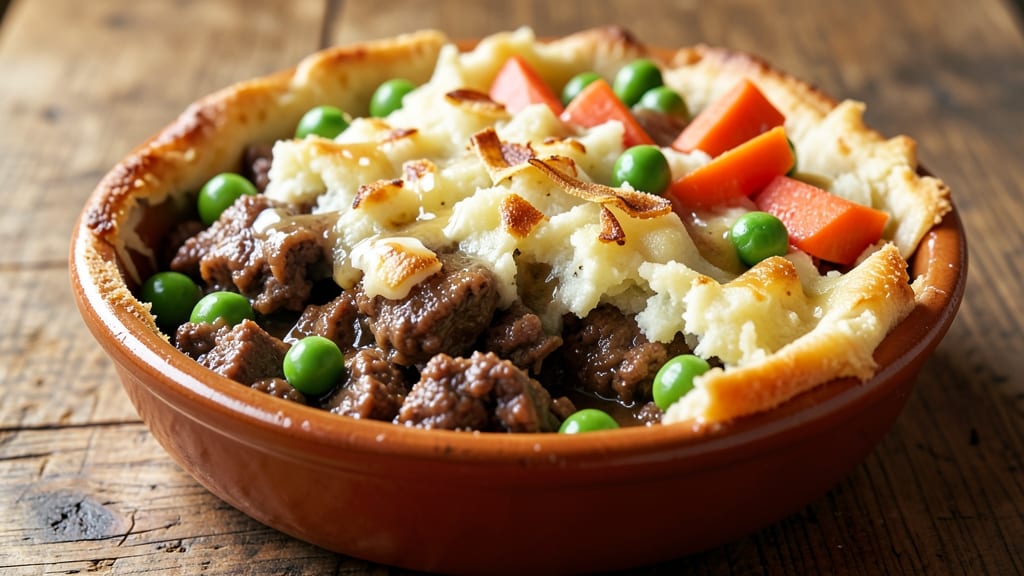
This traditional cottage pie recipe delivers the comforting, layered perfection of a classic British Sunday dinner—tender beef, hearty vegetables, rich gravy, and a flaky crown of golden mashed potatoes.
The secret lies in slow-cooked beef that practically melts in your mouth, vegetables softened just enough to blend into the savory filling, and a mashed potato topping that bakes to a crispy, crackling finish.
I've perfected this method over years of testing, ensuring every element comes together for an authentic, restaurant-worthy dish that feels like home.
The beauty of this recipe is its balance—simple ingredients elevated by precise technique. You'll start with ground beef browned to deep richness, then build layers of flavor with carrots, peas, and onions simmered until tender.
A well-made gravy ties everything together, while the mashed potato topping transforms into a golden, crispy crust when baked. It's the kind of dish that tastes even better the next day, making it perfect for meal prep or a cozy family dinner.
The process takes time, but the result is worth every minute.
What you'll end up with is a flaky, crackling crown of mashed potatoes encasing a hearty filling of savory beef, vibrant vegetables, and velvety gravy.
The contrast between the crispy top and the tender filling creates the perfect texture in every bite, while the deep, meaty flavors make this a satisfying main course. This is comfort food at its finest—traditional in every sense, with a method that ensures professional-quality results at home.
Ready to create a dish that feels like a hug in food form?
Serve this classic cottage pie with a simple green salad or crusty bread to soak up the last bits of gravy. The leftovers reheat beautifully, making it an ideal dish for feeding a crowd or preparing ahead. Here's how to bring this timeless recipe to life in your own kitchen.
Ingredients for traditional cottage pie
Simple ingredients elevated by technique—this cottage pie delivers restaurant-quality comfort food at home.
| Ingredient | Amount | Notes |
|---|---|---|
| Ground Beef 🥩 | 1 ½ lb | 80/20 fat ratio preferred |
| Yellow Onions 🧅 | 1 whole | Medium size, diced |
| Carrots 🥕 | 4 medium | Peeled, sliced into rounds |
| Fresh Green Peas 🌱 | 1 cup | Frozen works perfectly |
| Garlic Cloves 🧄 | 3 cloves | Minced for depth of flavor |
| All-Purpose Flour 🌾 | 2 tbsp | For gravy thickening |
| Beef Broth 💧 | 1 ½ cups | Low-sodium preferred |
| Russet Potatoes 🥔 | 2 lb | Starchy variety for best mash |
| Unsalted Butter 🧈 | ½ cup | Cold for flaky topping |
| Whole Milk 🥛 | ½ cup | Full-fat for creaminess |
| Salt 🧂 | 1 ½ tsp | Kosher or sea salt |
| Ground Black Pepper 🌶️ | ½ tsp | Freshly ground preferred |
| Dried Thyme 🌿 | 1 tsp | Or 1 tbsp fresh thyme |
| Worcestershire Sauce 🍯 | 1 tbsp | For umami depth |
The ground beef is where the magic starts. 80/20 fat ratio ensures rich flavor and tender texture—leaner cuts won't brown as beautifully. Most grocery stores carry this pre-ground, but if you're buying chuck roast to grind yourself, look for good marbling. The yellow onions should be sweet, not bitter—Spanish or Vidalia work best. Carrots can be baby carrots if that's what you've got, but whole carrots give you more control over the size. For the peas, frozen is perfectly fine (in fact, I often use it), but fresh peas will give you that bright, sweet flavor if you're in season. The garlic is non-negotiable—minced fresh for the best flavor, but powdered works in a pinch.
No beef broth? Chicken broth with a splash of soy sauce works in a pinch. Running low on thyme? Fresh rosemary at half the amount gives a different but lovely flavor profile. The Worcestershire sauce adds that classic umami kick—if you're avoiding gluten, use a tamari-based substitute. For the potatoes, Yukon Golds will give you a creamier mash, but Russets are perfect for that flaky topping. The butter should be cold when you mix it with the potatoes—room temperature butter will make your topping greasy instead of flaky. And if you're prepping ahead, this is where you'll want to do it—the filling can be made a day in advance and refrigerated.
This pie tastes even better the next day, which is why I always make a double batch. The filling keeps 3-4 days in the fridge, and the mashed potatoes can be prepped ahead and reheated with a splash of milk. For the best results, bake the pie in a 9x13-inch dish—it's the perfect size for a crowd. Leftovers reheat beautifully in the oven at 350°F for 20 minutes, covered with foil. The topping will crisp up again, giving you that perfect texture. Store any leftovers in an airtight container, and you'll have comforting meals all week.
Why You'll Love This Recipe
- One-Pot Magic: I swear by this recipe—just brown the beef, toss in the onions and carrots, simmer, then top with mashed potatoes. No extra bowls, no extra mess. That’s the kind of dinner that lets you breathe while it cooks.
- Garlic-Kissed Comfort: Between us, the garlic and beef create this deep, savory punch that’s impossible to resist. The peas add a bright pop, but honestly? The real star is that rich, herby filling that melts into the fluffy potato top.
- Lunchbox Hero: This recipe is my secret weapon for meal prep. I make a double batch on Sundays—leftovers reheat beautifully, and the kids actually eat their veggies (shh, don’t tell them carrots are hiding in there).
- Budget Winner: Ground beef, onions, and carrots stretch into a hearty meal for four on a tight budget. Plus, if you’ve got extra potatoes or peas lying around, they just blend right in. No wasted ingredients here.
Step-by-step instructions for traditional cottage pie
A classic British comfort dish where tender beef and vegetables are crowned with flaky mashed potatoes.
Cook the Beef and Vegetable Filling
In a large skillet, heat 1 tablespoon of the unsalted butter over medium-high heat. Add the 1.5 lb ground beef and cook, breaking it apart with a wooden spoon, until it loses its raw color and begins to brown—about 5-7 minutes. This step develops deep flavor through the Maillard reaction.
Push the beef to one side of the pan and add the diced yellow onions. Cook for 3 minutes until softened, then add the minced garlic cloves and cook for 30 seconds until fragrant. Return the beef to the pan and stir in the sliced carrots and 1 cup fresh green peas. Cook for another 3 minutes until the carrots begin to soften.
Sprinkle the 2 tbsp all-purpose flour over the mixture and stir vigorously for 1-2 minutes to coat the beef and vegetables evenly. This creates a natural roux for thickening. Pour in the 1.5 cups beef broth and 1 tbsp Worcestershire sauce, then add the 1.5 tsp salt, 0.5 tsp ground black pepper, and 1 tsp dried thyme. Bring to a simmer and cook for 10-12 minutes until the liquid reduces slightly and the sauce thickens to a gravy-like consistency. The filling should be moist but not soupy—this ensures the potatoes will absorb flavor without becoming soggy.
Prepare the Mashed Potato Topping
While the filling simmers, peel the 2 lb russet potatoes and cut them into 1-inch chunks. Place them in a pot of cold, salted water and bring to a boil. Reduce heat to medium and cook for 12-15 minutes until the potatoes are fork-tender. Drain thoroughly and return them to the pot.
Add the 0.5 cup unsalted butter and 0.5 cup whole milk to the warm potatoes. Using a potato masher or ricer, mash until smooth but slightly lumpy for texture. Season with an additional 0.5 tsp salt if needed—russet potatoes often require more seasoning after mashing. The mixture should be light, fluffy, and hold its shape when spooned.
Transfer the mashed potatoes to a mixing bowl and set aside. Here's the trick for flaky topping: spread the mashed potatoes evenly on a baking sheet and let them cool to room temperature for 10 minutes. This prevents the potatoes from steaming when baked, which keeps the crust crispy rather than gummy.
Assemble and Bake the Cottage Pie
Preheat your oven to 400°F. Spread the beef and vegetable filling evenly in a 9x13-inch baking dish, creating a flat surface for the potato topping. Use a spatula to smooth the top—this ensures even baking and a uniform crust.
Spoon the cooled mashed potatoes over the filling, pressing down gently but firmly with the back of a spoon to create a smooth, even layer. The potatoes should cover the filling completely, with no gaps. Use a fork to create decorative ridges or a crisscross pattern on top for extra flakiness.
Bake for 30-35 minutes until the potato topping is golden brown and the filling is bubbling at the edges. The center should still feel slightly soft when pressed—this indicates the filling is heated through without drying out. If the top browns too quickly, tent loosely with aluminum foil for the last 10 minutes of baking.
Rest and Serve
Remove the cottage pie from the oven and let it rest for 10 minutes before serving. This resting period allows the filling to set slightly and the flavors to meld. The potatoes will firm up as they cool, creating that perfect flaky texture on the outside while remaining creamy inside.
Slice into 6 equal portions and serve immediately. The traditional presentation includes a generous dollop of mashed potatoes on top of each serving, ensuring every bite delivers both the savory filling and the creamy crown. Pair with a simple green salad or steamed vegetables for a complete meal.
Pro Tips For Making Traditional Cottage Pie
- Brown the Beef Properly: Dump that raw ground beef in a cold pan and you’re just asking for a bland filling. Heat the pan until it’s smoking hot—no, really, let it get there—then break up the beef in batches. You want deep, crusty edges on those chunks, not just pink meat floating in grease. I learned this the hard way when my first cottage pie tasted like meatloaf.
- Dice the Onions Small: Skip the lazy chop and you’ll end up with chewy onion bits ruining the texture. Aim for 1/4-inch dice—small enough to disappear into the filling but big enough to hold their shape. If you’re in a rush, pulse them in the food processor, but don’t overdo it or they’ll turn to mush.
- Don’t Overcook the Peas: Fresh peas? Toss them in at the very end—just 2 minutes before serving. Overcook them, and they’ll turn to mush, turning your filling into a sad, watery mess. If using frozen, thaw and drain them first, then stir them in gently. Your future self will thank you.
- Preheat the Oven High: That crust won’t crisp up if you’re baking it at 375°F like some lazy recipe says. Crank it to 425°F for the first 15 minutes—yes, even if you’re nervous about burning it. Then drop to 375°F to finish. The high heat locks in moisture while the crust gets that golden, buttery crunch. Trust me, it’s worth the risk.
Pro cooking tips for this dish
Beef Browning Mastery
The secret to deep flavor starts with perfectly browned beef. Cook the 1.5 lb ground beef in a skillet over medium-high heat until it loses its raw color—this is where the Maillard reaction creates rich, caramelized flavors.
Avoid stirring constantly; let the beef form small sear marks. I use a cast-iron skillet for even heat distribution, but any heavy pan works. 🔥
Vegetable Prep Tricks
Slice carrots into even rounds so they cook uniformly. For onions, dice them into ¼-inch pieces for quick cooking. The key is to soften them just enough to blend into the filling—overcooking turns them mushy.
I add a pinch of salt to the vegetables while they sauté to draw out moisture and enhance flavor. 🥕
Gravy Consistency
After adding the 2 tbsp flour, stir vigorously for 1-2 minutes to fully coat the beef and vegetables. This creates a natural roux that thickens the gravy beautifully.
The liquid should reduce to a gravy-like consistency—not too thick, not too thin. If it's too thick, add 1-2 tbsp beef broth to loosen it up. 💧
Mashed Potato Texture
For the perfect flaky topping, mash the potatoes until smooth but slightly lumpy. Use a potato ricer if you have one—it gives the creamiest texture. The trick is to cool the mashed potatoes to room temperature before baking.
This prevents steaming and ensures a crispy crust. Spread them on a baking sheet for 10 minutes before assembling. ✨
Even Baking Technique
Spread the filling evenly in your 9x13-inch baking dish to create a flat surface for the potato topping. Press down gently but firmly on the mashed potatoes to eliminate air pockets.
For extra flakiness, use a fork to create ridges or a crisscross pattern. Bake at 400°F until the top is golden brown and the filling is bubbling. 🌟
Resting for Perfection
Never skip the 10-minute rest after baking. This allows the filling to set slightly and the flavors to meld. The potatoes will firm up, creating that perfect contrast between crispy exterior and creamy interior. Slice carefully with a sharp knife for clean portions. 💪
Nutrition facts
Frequently asked questions
Can I make cottage pie ahead of time?
The filling can be prepared up to 3 days ahead and stored in an airtight container in the fridge. For the best results, assemble and bake the pie just before serving. If you need to prep everything in advance, make the mashed potatoes separately and reheat them with a splash of milk before spreading them on top. The flavors actually improve after resting!
What's the best way to reheat leftovers?
For perfect texture, cover the pie with aluminum foil and reheat at 350°F for 20-25 minutes. This prevents the potato topping from drying out. If you're reheating individual portions, microwave them for 1-2 minutes covered with a damp paper towel, then finish under the broiler for 1-2 minutes to restore crispiness.
Can I substitute the beef with another protein?
For a vegetarian version, use 1 lb mushrooms (cremini or portobello) and 1 lb lentils instead of beef. For chicken, try 1.5 lb ground chicken but reduce cooking time by 2-3 minutes as it browns faster. The key is maintaining the same filling texture—just ensure your protein is fully cooked and seasoned well.
Why did my potato topping get soggy?
Soggy topping usually happens when the filling is too wet or the potatoes weren't cooled properly. Make sure your filling has a gravy-like consistency (not soupy) and spread the mashed potatoes on a baking sheet to cool to room temperature before assembling. Also, avoid overfilling your baking dish—it should be ¾ full before adding the potato topping.
How do I make this recipe gluten-free?
Replace the all-purpose flour with 2 tbsp gluten-free flour blend for thickening the gravy. Use tamari instead of Worcestershire sauce, and ensure your beef broth is gluten-free. For the mashed potatoes, regular potatoes are naturally gluten-free, but check your butter and milk labels for hidden gluten. The rest of the recipe remains unchanged!