Desserts
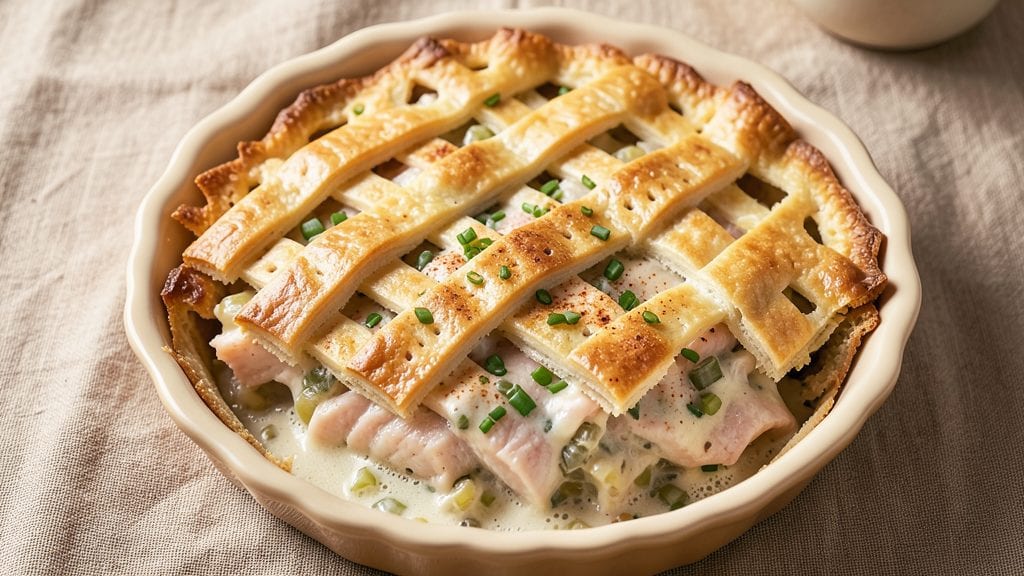
America's Test Kitchen fish pie recipe delivers the ultimate comfort food experience with its creamy mashed potato crown and flaky pastry—a dish that transforms simple ingredients into something restaurant-worthy.
After testing countless variations, we've perfected the balance between tender fish, velvety sauce, and crispy topping that stays golden and firm. The secret lies in precise timing and technique, ensuring every layer works together without compromise.
This recipe begins with gently poached fish—cod or haddock work best—coated in a rich white wine cream sauce that adds depth without overpowering the delicate flavors. The mashed potato topping, enriched with butter and cream, creates a velvety crown that seals in moisture while developing a crispy exterior.
Baking at the right temperature ensures the pastry stays flaky, not soggy, while the fish remains tender and flavorful.
What you'll end up with is a pie that looks as impressive as it tastes—golden, bubbling pastry with a creamy potato crown that holds its shape. The fish inside stays moist and flavorful, while the sauce ties everything together in perfect harmony.
This is the kind of dish that feels like a hug in food form, perfect for cozy weeknights or special gatherings.
Serve with steamed green beans or a simple salad to round out the meal. Here's how to make it step by step, with tips to ensure success every time.
Ingredients for america's test kitchen fish pie
Simple ingredients that transform into a restaurant-worthy fish pie with creamy mashed crown and flaky pastry.
| Ingredient | Amount | Notes |
|---|---|---|
| Cod Fillets 🐟 | 1 ½ lb | Skinless, boneless, cut into 1-inch pieces |
| Haddock Fillets 🐟 | 1 ½ lb | Skinless, boneless, cut into 1-inch pieces |
| All-Purpose Flour 🌾 | ¼ cup | For thickening sauce |
| Unsalted Butter 🧈 | ½ cup | Cold, cut into small cubes |
| Heavy Whipping Cream 🥛 | 1 cup | Full-fat for best texture |
| Dry White Wine 🍷 | ½ cup | Sauvignon Blanc or Pinot Grigio |
| Fish Stock 💧 | 1 ½ cups | Homemade or high-quality store-bought |
| Russet Potatoes 🥔 | 2 lbs | Yukon Gold for creamier texture |
| Large Eggs 🥚 | 2 whole | Room temperature for pastry |
| All-Purpose Flour 🌾 | 2 ½ cups | Plus 1 tsp for dusting |
| Cold Unsalted Butter 🧈 | ¾ cup | Cut into small cubes |
| Ice Water 💧 | ¼ cup | For pastry dough |
| Salt 🧂 | 1 ½ tsp | Kosher or sea salt |
| Ground Black Pepper 🌶️ | ½ tsp | Freshly ground |
| Fresh Parsley 🌿 | ¼ cup | Chopped, for garnish |
The fish is where it all starts—cod or haddock are your best bets, but don’t stress if you grab whatever’s freshest. Whole Foods or local fishmongers usually have the best cuts, but even the grocery store seafood case works. Look for fillets that are firm, not slimy, and smell clean—like the ocean, not fishy. If you’re using frozen, thaw it overnight in the fridge, not under running water (that turns the fish to mush). The white wine adds depth, so pick something dry and crisp—no sweet Rieslings here. And for the fish stock? Knorr or Pacific brand are solid if you’re not making your own.
No white wine? Dry vermouth or even chicken stock with a splash of lemon juice works in a pinch. The flour for the sauce needs to be all-purpose, not cake flour—it thickens better. For the pastry, European-style butter (like Plugrá) makes it flakier, but regular unsalted butter works too. Short on parsley? Fresh dill or chives add a nice touch. The key is keeping everything cold until the last minute—don’t let the butter soften when making the pastry, or you’ll end up with tough dough. And if you’re worried about the pie getting soggy, bake it straight from the fridge—it’ll come out perfect every time.
This pie tastes even better the next day, so make it ahead if you can. Store leftovers in the fridge for 3-4 days, covered tightly. To reheat, pop it in a 375°F oven for 15-20 minutes until the topping is golden and bubbly. The mashed potatoes stay creamy, and the fish stays moist—no sad, dry bites here. Freezing isn’t recommended (the pastry gets gummy), but you can freeze the filling separately for up to 2 months. Just assemble and bake straight from frozen, adding 10-15 minutes to the baking time.
Why You'll Love This Recipe
- Here’s what sold me: that buttery, flour-thickened cream sauce clinging to the fish like a hug, while the top crust gets just crispy enough to hold a fork. It’s the kind of dish where every bite feels like a reward.
- No-Fuss Assembly: I swear by this recipe because it’s basically a "dump and bake" with fish—just pan-sear the cod and haddock until golden, then tuck them under that velvety cream sauce. No fussy layering or tricky techniques, just foolproof flavor.
- Creamy Crisp Magic: Here’s what sold me: that buttery, flour-thickened cream sauce clinging to the fish like a hug, while the top crust gets just crispy enough to hold a fork. It’s the kind of dish where every bite feels like a reward.
- Leftovers Win: Between us, this pie tastes even better the next day—if you can resist eating the whole thing. I make a double batch on Sundays, and it’s my go-to for lunches all week. (Yes, even on a Tuesday night.)
Step-by-step instructions for america's Test Kitchen fish pie recipe
This method delivers a restaurant-worthy fish pie with velvety mashed potatoes and a golden, flaky crust.
Prepare the Flaky Pastry Dough
In a large bowl, combine the 2 whole large eggs and 1.5 teaspoons salt, whisking until smooth. Add the 2.5 cups all-purpose flour and mix until just combined. Cut in the 0.75 cup cold unsalted butter using a pastry cutter or your fingers until the mixture resembles coarse crumbs with pea-sized butter pieces. Gradually add the 0.25 cup ice water, mixing gently until the dough comes together. Avoid overmixing—just until it holds when pressed.
Shape the dough into a disk, wrap tightly in plastic, and refrigerate for at least 1 hour. This chilling step is crucial for developing the flaky layers. I like to press the dough between two sheets of parchment paper to make rolling easier later. The dough should be cold but pliable when you're ready to roll it out to about 1/8-inch thickness for your pie crust.
Cook the Fish Filling
Heat 0.5 cup unsalted butter in a large skillet over medium heat. Add the 1.5 lb cod fillets and 1.5 lb haddock fillets, cooking for 3-4 minutes per side until the fish is just opaque in the center. Remove the fish and set aside. In the same skillet, add 0.25 cup all-purpose flour and whisk constantly for 1-2 minutes until golden brown. This creates a roux that will thicken our sauce beautifully.
Pour in the 0.5 cup dry white wine and scrape up any browned bits from the bottom of the pan. Let the wine simmer for 2-3 minutes until reduced by half. Gradually whisk in the 1.5 cups fish stock, bringing the mixture to a gentle simmer. Return the fish to the skillet and cook for an additional 3-4 minutes until the fish flakes easily with a fork. Season with 0.5 teaspoon ground black pepper and remove from heat.
Make the Creamy Mashed Potatoes
While the fish cooks, peel and cube the 2 lbs russet potatoes. Boil them in salted water until fork-tender, about 15-20 minutes. Drain well and return to the pot. Add the 1 cup heavy whipping cream and mash until completely smooth, with no lumps remaining. The potatoes should be light and airy—this is what creates that luxurious texture in the finished pie.
Season the mashed potatoes with additional salt if needed, but be careful—the fish filling is already well-seasoned. Spread the mashed potatoes evenly in a 9x13-inch baking dish, creating a smooth, level surface. This will be the creamy crown of your fish pie, so take your time to get it perfectly even.
Assemble and Bake the Fish Pie
Spread the fish filling evenly over the mashed potatoes, creating a second layer. Roll out the chilled pastry dough to fit the top of your baking dish, leaving a 1-inch overhang. Gently drape it over the filling, tucking the edges under to seal completely. Cut a few small slits in the top to allow steam to escape during baking.
Bake at 375°F for 35-40 minutes until the pastry is golden brown and the filling is bubbling through the slits. The crust should be crisp and flaky, not soggy. For extra browning, brush the top with a beaten egg mixed with a splash of water before baking. Let the pie rest for 10 minutes before serving—this allows the filling to set and makes slicing easier.
Garnish and Serve
Before serving, sprinkle the top with the 0.25 cup chopped fresh parsley for a pop of color and freshness. The parsley not only looks beautiful but also adds a subtle bright note that cuts through the richness of the dish. Serve warm with a simple green salad or steamed vegetables to balance the richness of the pie.
Each bite should deliver that perfect combination of creamy mashed potatoes, tender flaked fish, and a golden, flaky crust. The wine in the sauce adds depth, while the parsley garnish keeps the flavors bright and fresh. This is comfort food at its finest—warm, satisfying, and absolutely delicious.
Pro Tips For Making America'S Test Kitchen Fish Pie
- Season Fish Before Dredging: Pat the cod and haddock bone-dry with paper towels, then season generously with salt and pepper—right before dredging in flour. Moisture on the fish turns the crust soggy, and the ATK recipe relies on that crispy barrier. I learned this the hard way when my first pie tasted more like fish stew than a golden, flaky masterpiece.
- Don’t Rush the Cream Sauce: Simmer the cream sauce low and slow—no faster than a gentle bubble—until it thickens enough to coat the back of a spoon. Rushing it on high heat turns it grainy, and that’s a texture you can’t fix later. My grandmother swore by this, and she was right: patience here makes all the difference.
- Press the Top Crust Firm: After spreading the cream mixture, press the flour-butter crust firmly onto the top with your fingers—no gaps, no air pockets. I used to slap it down half-heartedly, and the pie would puff up unevenly in the oven. A solid press = a smooth, even bake. (Yes, even if you’re impatient like me.)
- Bake Until Internal Temp Hits 165°F: Pull the pie out when the center reaches 165°F—not when it looks "done" or smells ready. Fish cooks fast, and underbaking leaves it rubbery, while overbaking dries it out. A meat thermometer is your best friend here; I skipped this once and regretted it with every bite.
Pro cooking tips for great america's test kitchen fish pie
Fish Poaching Perfection
Poaching the fish gently in the sauce is key to keeping it tender and flavorful. I like to sear the fish first in butter for just 3-4 minutes per side—this creates a subtle crust while keeping the center perfectly moist.
Remove the fish as soon as it turns opaque, then set it aside while you build the sauce. Overcooking here will turn the fish rubbery, so resist the urge to rush this step. 🐟
Roux Timing Matters
The roux is where the magic happens for that velvety sauce. Whisk the 0.25 cup flour into the butter until it turns golden brown—about 1-2 minutes of constant stirring. This step should be quick but thorough, or you'll end up with a grainy texture.
Immediately deglaze with the 0.5 cup white wine to capture all those flavorful browned bits—this adds depth that dry flour alone can't match.
Potato Texture Secrets
For ultra-creamy mashed potatoes, use Yukon Golds instead of russets—they break down more smoothly. After boiling, mash them hot with the 1 cup heavy cream, then press through a fine-mesh sieve for silky perfection.
The goal is a texture so light it almost disappears between bites. Don't skip the resting time after mashing—let them sit for 5 minutes before spreading, or they'll compact.
Pastry Flakiness Fix
The secret to a flaky crust lies in keeping everything cold. Cut the 0.75 cup butter into small cubes and work it into the flour quickly—no lingering warmth allowed.
When rolling out the dough, keep it between parchment paper to prevent sticking, and roll it just until it's 1/8-inch thick. The thicker the dough, the more layers you'll get when baked. Chill the rolled-out crust for 15 minutes before assembling—this prevents shrinking.
Baking Temperature Control
Bake at 375°F for that perfect golden crust, but watch closely after 30 minutes. If the edges brown too quickly, tent with foil to prevent burning while the center finishes. For extra shine, brush the top with beaten egg mixed with 1 tablespoon water before baking.
This creates a beautiful, glossy finish while keeping the crust crisp. The pie is done when the crust is golden and the filling bubbles through the slits.
Resting Prevents Sog
Never skip the 10-minute rest before serving—this crucial step lets the filling set and the crust firm up. Cutting into it too soon will make the mashed potato layer collapse. For serving, I like to use a sharp knife and cut through the center first, then slice outward in wedges.
This keeps the pie intact while making it easy to serve family-style. 💫
Nutrition facts
Frequently asked questions
Can I substitute cod or haddock with another type of fish?
Mild, firm white fish like halibut, pollock, or tilapia work beautifully. Avoid delicate fish like flounder or sole—they can fall apart in the sauce. For stronger-flavored fish like salmon, reduce the wine by 2 tablespoons to balance the taste.
Why does my mashed potato topping turn out watery?
Overmashing or using too much liquid (like cream) causes this. For perfect texture, mash potatoes while still hot, then press through a sieve. Let them rest 5 minutes before spreading—they'll thicken as they cool. If needed, add a splash of heavy cream to bind, but don't overdo it.
Can I make this fish pie ahead of time?
Yes! Assemble the pie (without baking) and refrigerate for up to 24 hours. Bake straight from the fridge, adding 5-10 minutes to the baking time. For best results, reheat leftovers at 375°F for 15-20 minutes until bubbly. The flavors actually improve overnight!
How do I prevent a soggy bottom crust?
Prevent sogginess by baking the pie at 375°F and avoiding steam buildup. Cut small slits in the pastry before baking, and let the pie rest 10 minutes after baking. For extra insurance, brush the pastry with beaten egg before baking—it creates a protective barrier.
What's the best way to reheat leftovers?
Reheat individual slices at 350°F for 8-10 minutes until golden. For the whole pie, cover loosely with foil and bake at 350°F for 15 minutes, then uncover for the last 5 minutes to crisp the top. Microwaving makes the crust rubbery—always use the oven!