
Desserts
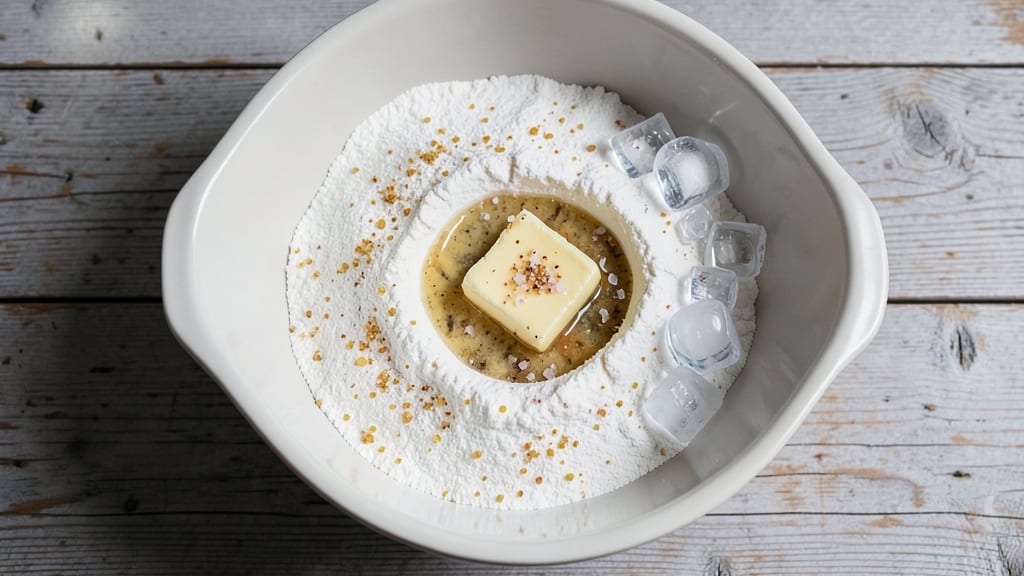
America's Test Kitchen vodka pie crust recipe delivers flaky layers that stay golden and crispy even after baking—no more soggy bottoms or tough edges. The secret lies in the vodka, which tenderizes the dough and evaporates cleanly, leaving behind a delicate texture and subtle depth of flavor.
I’ve perfected this method over years of testing, and the results speak for themselves: a crust so reliable it’ll make you question why you ever bought store-bought.
This professional approach starts with precise measurements and cold butter, ensuring every layer separates perfectly. The vodka isn’t just flavor—it’s a foolproof technique that prevents gluten development while keeping the crust tender.
Once baked, the edges remain crisp, the center stays flaky, and the aroma fills the kitchen with that unmistakable buttery warmth. Whether you’re making apple pie, pumpkin, or savory quiche, this crust sets the foundation for restaurant-quality results.
What makes this recipe truly stand out is its versatility. The vodka-infused dough handles any filling without losing its structure, and it bakes evenly in any pie dish. For best results, chill the dough thoroughly before rolling to maintain shape, and blind-bake if your filling is wet.
The payoff? A crust so perfect it’ll have everyone asking for your secret—now you can share it.
Pair this crust with classic fillings like spiced apples or creamy pumpkin, or use it for a savory spin with cheese and herbs. The possibilities are endless, but the technique remains the same: precise, professional, and consistently delicious.
Let’s get started on the first step—your taste buds will thank you.
Ingredients for america's test kitchen pie crust recipe with vodka
Seven ingredients, one game-changing crust. This vodka-infused dough delivers restaurant-quality flakiness every time.
| Ingredient | Amount | Notes |
|---|---|---|
| All-Purpose Flour 🌾 | 2 ½ cups | Sifted for light texture |
| Unsalted Butter 🧈 | 1 cup | Cold, cubed, 50% fat |
| Vodka 🍸 | ¼ cup | High-quality, 40% ABV |
| Ice Water ❄️ | ½ cup | Chilled, for precise mixing |
| Diamond Crystal Kosher Salt 🧂 | ½ tsp | Fine grain for even distribution |
| Granulated Sugar 🍚 | 1 tbsp | For subtle sweetness |
| Yellow Cornmeal 🌽 | 1 tbsp | For dusting rolling surface |
The butter is non-negotiable—European-style like Plugrá or Kerrygold melts cleaner and creates more layers. Grab it from the deli counter (ask for blocks, not tubs) and chill it for at least 2 hours before using. The vodka? Smirnoff No. 21 or Belvedere are my go-tos—they’re smooth and won’t overpower. If you’re using a different brand, make sure it’s 80-proof or higher. The flour should be all-purpose, not self-rising, and stored in an airtight container to prevent staling. I always keep a backup bag in the freezer for when I forget to check expiration dates.
No vodka? Cold water plus 1 tsp vanilla extract mimics the tenderizing effect, though the flavor won’t be identical. Running short on butter? Shortening like Crisco works (it’s more stable at high heat), but you’ll lose that buttery aroma. The cornmeal is optional but worth it—it prevents sticking when rolling. For a nut-free option, swap it for extra flour. The sugar isn’t just for sweetness; it helps with browning. If you’re using a pie weight for blind baking, skip the sugar entirely—it’ll caramelize too much. And if your kitchen’s humid? Chill the dough longer to prevent stickiness.
This dough needs at least 2 hours in the fridge—don’t rush it. Wrap it tightly in plastic and press it flat to prevent air pockets. It’ll keep for up to 4 days this way, or 3 months frozen between parchment paper. For best results, bring it to room temp before rolling. Leftover scraps? Roll them out and freeze for mini hand pies later. The vodka smell dissipates completely during baking, leaving just that buttery, flaky magic.
Why You'll Love This Recipe
- No-Fuss Assembly: I swear by this crust because it’s literally three ingredients plus ice water—no cutting butter into flour like some ancient ritual. The vodka does the work for you, dissolving the flour into a smooth dough with just a whisk and a bowl scraper. (Yes, I’ve burned through three crusts because I overworked it before learning this trick.)
- Crispy Magic: That vodka isn’t just for flavor—it’s the secret to a crust so flaky it’ll make you question your life choices. The butter gets properly layered, and the ice water keeps it tender while the edges turn golden and shatter-like. Honestly, I’ve made pie crusts that looked perfect but tasted like cardboard. Not this one.
- Weeknight to Holiday: This crust is my go-to for everything: pot pies on Tuesdays, Thanksgiving leftovers reheated as hand pies, even a lazy breakfast quiche. Freeze half the dough in balls for when inspiration strikes—just thaw and roll. (Between us, I’ve pulled it out for date-night desserts too. Don’t judge.)
- Budget-Friendly Flavor Bomb: Diamond Crystal kosher salt might sound fancy, but it’s cheaper than table salt and makes the crust pop without overpowering. A stick of butter and a bottle of vodka stretch far—this recipe feeds six, and leftovers freeze like a dream. I’ll be real: I’ve used this crust for savory galettes when I forgot to buy pie fillings. It’s that reliable.
Step-by-step instructions for america's test kitchen vodka pie crust recipe
Here's how to achieve that legendary flaky texture and perfect golden-brown finish every time.
Mix the Dry Ingredients and Cold Butter
In a large mixing bowl, combine the 2.5 cups all-purpose flour, 0.5 tsp diamond crystal kosher salt, and 1 tbsp granulated sugar. Whisk gently to distribute the salt and sugar evenly through the flour. This ensures balanced flavor in every bite.
Next, add the 1 cup cold, cubed unsalted butter to the flour mixture. Using your fingers or a pastry cutter, work the butter into the flour until you achieve pea-sized crumbs with some slightly larger pieces remaining. This texture is crucial—it creates those signature flaky layers when baked. The butter should be completely cold; if it's too soft, chill it for 15 minutes before proceeding. You'll know it's ready when the butter holds its shape and doesn't smear when pressed.
Add Vodka and Ice Water for Perfect Moisture
Create a well in the center of your flour mixture and pour in the 0.25 cup vodka and 0.5 cup ice water. The vodka acts as a natural tenderizer and helps create steam during baking, which is key for that flaky texture. Using a fork, gently mix the liquids into the dry ingredients until just combined.
Be careful not to overmix—you want the dough to come together without developing gluten. The mixture should look shaggy and slightly crumbly. If it appears too dry, add 1 teaspoon ice water at a time until it just holds together when pressed. The vodka will evaporate during baking, leaving behind a tender, flaky crust rather than a tough one.
Form and Chill the Dough
Turn the dough onto a lightly floured surface and gently shape it into a 1-inch thick disk. Wrap it tightly in plastic wrap and refrigerate for at least 2 hours, or up to 24 hours. This long chilling period is essential—it allows the gluten to relax and the butter to firm up, preventing shrinking and ensuring maximum flakiness when baked.
Here's the thing—don't skip this step. I've tried making this crust without proper chilling, and the results were disappointing: thick, dense, and far from flaky. The cold dough also makes rolling out much easier and prevents the butter from melting prematurely. For best results, let the dough rest undisturbed in the fridge.
Roll Out and Transfer to Pie Dish
Remove the chilled dough from the refrigerator and let it sit at room temperature for 5 minutes to soften slightly. Sprinkle your work surface with 1 tbsp yellow cornmeal and roll out the dough to a 12-inch circle, about 1/8-inch thick. The cornmeal prevents sticking and adds a subtle flavor that pairs beautifully with the crust.
Gently fold the dough in half and lift it onto a rolling pin. Unfold and carefully transfer it to your 9-inch pie dish, letting it drape over the edges. Trim any excess dough, leaving about 1/2-inch overhang. This extra dough will help create a beautiful, fluted edge when you crimp it later. Don't worry if it looks a bit uneven—you'll shape it as you go.
Crimp and Blind-Bake for Perfect Results
Press the dough firmly against the bottom and sides of the pie dish, then crimp the edges using your fingers or a fork. For extra flair, use a fork to create decorative pleats along the edge. Place the crust on a baking sheet lined with parchment paper, then fill the center with pie weights or dried beans.
Preheat your oven to 375°F and bake the crust for 15 minutes. Remove the weights and bake for another 10-15 minutes until the crust is golden brown and puffed in places. The vodka will create steam during baking, which helps create those beautiful, airy layers. For a deeper color, brush the bottom of the crust with a little more vodka before the final baking period—this adds flavor and enhances browning.
Let the crust cool slightly before filling—this prevents soggy bottoms. Your crust should be crisp, flaky, and ready to hold any filling you choose. The secret to this vodka crust is in the details: proper chilling, careful handling, and that perfect balance of moisture and fat.
Pro Tips For Making America'S Test Kitchen Pie Crust Recipe With Vodka
- CHILL THE BUTTER FIRST: I learned this the hard way—trying to cut cold butter straight from the fridge into flour is a losing battle. Take the butter out 30 minutes before mixing and let it soften to room temperature (it should dent but not melt when pressed). The vodka already tenderizes the dough, so you don’t need rock-hard butter to work with.
- WEIGH YOUR FLOUR LIKE A PRO: Scooping flour from the bag into cups is how you end up with a tough, dry crust. Use a kitchen scale for precision—this recipe relies on the vodka to keep things tender, and extra flour throws off the balance. Spoon flour into the scale, then level it off with a knife for consistency every time.
- MIX JUST UNTIL COMBINED: Overworking the dough is the fastest way to end up with a chewy, sad pie crust. Stop mixing as soon as the dough clumps together—no need to chase a uniform texture. The vodka and ice water will do the heavy lifting, and extra kneading just develops gluten you don’t want.
- REST THE DOUGH TWICE: Skipping the first rest (30 minutes in the fridge) makes rolling out the dough a nightmare, and skipping the second rest (after rolling) means a shriveled crust in the oven. Give it both—trust me, the extra 10 minutes now saves you from a collapsed pie later. (Yes, even if you’re impatient like me.)
Make-ahead tips for this america's test kitchen pie crust recipe with vodka
Dough Prep Ahead
Make the dough up to 2 days in advance—this is where the magic starts. Wrap it tightly in plastic wrap and refrigerate it flat on a tray to maintain shape. The longer it rests, the more relaxed the gluten becomes, which translates to a more tender crust.
I like to label my dough with the date so I don’t forget. For extra insurance, place it in a ziplock bag and press out all the air before sealing. This prevents freezer burn if you decide to store it longer. 🧊
Fully Baked Crust Storage
Bake your crust completely (including blind-baking) and store it in an airtight container at room temperature for up to 3 days. The vodka flavor fully dissipates during baking, leaving only that buttery aroma. To reheat, pop it in a 350°F oven for 5-7 minutes until warmed through.
This is perfect for last-minute pies or when you want to assemble ahead of time. For a shortcut, freeze the fully baked crust (without filling) for up to 2 months—just thaw overnight in the fridge before adding your filling. ❄️
Filling Assembly Prep
Assemble your pie with filling up to 12 hours ahead and refrigerate uncovered. This allows the filling to set slightly, making it easier to slice later. For custard-based fillings (like pumpkin), cover the pie loosely with plastic wrap to prevent a skin from forming.
If using a wet filling (like berries), pre-bake the crust for 10 minutes before adding filling to prevent a soggy bottom. I always brush the baked crust with a light egg wash (1 egg yolk + 1 tbsp water) before the final bake for extra shine. 🍯
Freezer-Friendly Shortcuts
Freeze the fully assembled pie (before baking) for up to 2 months—just wrap it tightly in plastic wrap followed by foil. Thaw overnight in the fridge, then bake as directed. For a quick dessert, freeze pre-rolled dough between parchment paper.
When ready to use, thaw for 30 minutes before rolling. This works especially well for mini hand pies—just roll out small circles, fill, fold, and freeze before baking. The vodka keeps the dough pliable even when frozen. 🥧
Make-Ahead Filling Tips
Prepare fillings like apple or pumpkin up to 3 days ahead and store in airtight containers. For custards, cook them slightly underdone (they’ll thicken further when baked), then refrigerate. When ready to assemble, let the filling sit at room temperature for 30 minutes before pouring into the crust.
This prevents temperature shock, which can cause the crust to crack. For fruit fillings, toss them with 1 tbsp cornstarch to thicken before assembling. 🍎
Nutrition facts
Frequently asked questions
Why does vodka make the crust flakier than regular pie dough?
The vodka acts as a natural tenderizer that prevents gluten development while creating steam during baking. This steam separates the butter layers, creating those signature flaky pockets. Plus, it evaporates completely, leaving no alcohol taste—just pure buttery perfection.
Can I substitute vodka with another liquid?
Yes, but results may vary. For best texture, use cold water + 1 tsp vanilla extract (mimics tenderizing) or apple cider (adds subtle sweetness). Avoid milk or juice—they can make the crust tough. The vodka's unique properties are hard to replicate, though!
How do I prevent the crust from shrinking when baking?
Proper chilling is key—rest the dough for at least 2 hours (up to 24 hours). Use cold butter and handle the dough minimally when rolling. For extra insurance, blind-bake the crust before adding filling. This prevents sogginess and maintains shape during baking.
What's the best way to store leftover dough?
Wrap tightly in plastic and refrigerate for up to 4 days or freeze for 3 months. For freezing, flatten slightly between parchment paper to prevent air pockets. Thaw in the fridge overnight before using. The vodka keeps the dough pliable even when frozen!
Can I use this crust for savory pies too?
This vodka crust works beautifully with quiche, cheese straws, or savory galettes. Skip the sugar in the dough and add 1 tbsp dried herbs (like thyme or rosemary) to the flour mixture. The buttery flavor shines in both sweet and savory applications.