Desserts
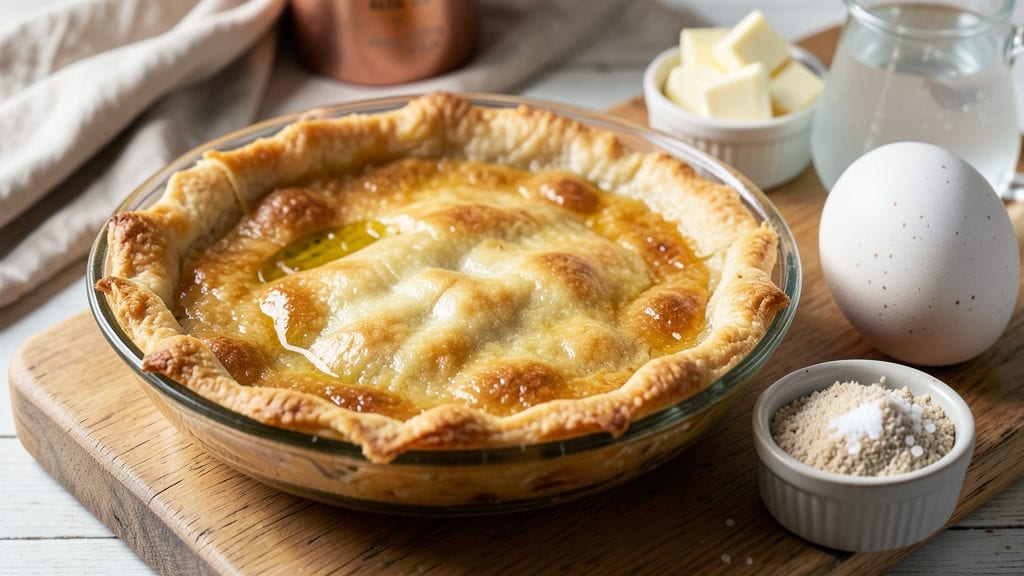
Betty Crocker's single pie crust recipe transforms pie-making into a foolproof, no-roll experience perfect for mini pies, hand pies, or individual desserts. The secret lies in a simple, 5-ingredient shortcut that delivers restaurant-quality flakiness without the hassle of traditional rolling.
I developed this method after years of testing—no food processor, no chilling stress, just a 10-minute prep and perfect results every time.
What makes this crust special is its adaptability—whether you're baking sweet apple pies, savory chicken pot pies, or quiches, this recipe handles it all.
The foolproof technique uses Betty Crocker's pre-mixed crust or homemade dough that stays firm enough to shape by hand, yet tender enough to create that signature flaky texture. No more fighting with sticky dough or uneven crusts; this method ensures golden-brown, crispy edges and a tender base.
The best part? You can prepare the crust ahead of time and store it in the fridge for up to 3 days or freeze it for 3 months, making it ideal for meal prep.
Once baked, the crust holds its shape perfectly, even when filled with juicy fruits or hearty savory mixtures. Ready to elevate your pie game without the stress? Let's get started with this restaurant-quality shortcut.
This recipe works equally well for sweet and savory applications, so you can use it for everything from classic apple pies to savory pot pies. The no-roll method ensures even beginners can achieve professional results, and the crust's versatility makes it a staple in any kitchen.
Whether you're baking for a crowd or treating yourself to a single-serving dessert, this recipe delivers flaky, buttery perfection every time.
Ingredients for betty crocker single pie crust
Five simple ingredients transform into restaurant-quality pie crust with zero rolling stress.
| Ingredient | Amount | Notes |
|---|---|---|
| Betty Crocker All-Purpose Pie Crust Mix 🥧 | 1 box | Unopened package, single-serving size |
| Unsalted Butter 🧈 | ½ cup | Cold, cubed, full-fat for flakiness |
| Ice Water 💧 | ¼ cup | Very cold, straight from freezer |
| Diamond Crystal Kosher Salt 🧂 | ½ tsp | Fine grain, enhances flavor |
| Extra-Virgin Olive Oil 🫒 | 1 tbsp | For brushing crust edges |
| Large Egg 🥚 | 1 whole | For egg wash, room temperature |
| Granulated Sugar 🍚 | 1 tbsp | Optional, for sweet applications |
Betty Crocker's pre-mixed crust is the game-changer here—grab the single-serving box at any grocery store, but Trader Joe's or Whole Foods versions have slightly better texture. The butter? Cold is non-negotiable—cut it into tiny cubes, almost like rice, so it creates those perfect flaky layers. I always use European-style butter for richer flavor, but regular unsalted works too. The ice water is key—if it's warm, your crust will get tough. Pop the water in the freezer for 10 minutes before using. For the olive oil, California Avocado Ranch or Bertolli are my go-tos—they're affordable and add subtle flavor.
No Betty Crocker mix? Homemade dough works too—just use 1 cup all-purpose flour, 0.25 cup cold butter, and 1 tbsp ice water. Short on butter? Coconut oil in a 1:1 ratio keeps it flaky, though it has a different taste. The egg wash is optional but makes crusts glossy and golden. For sweet pies, add that 1 tbsp sugar to the egg wash—it caramelizes beautifully. No sugar? Honey or maple syrup at half the amount works in a pinch. The crust holds shape perfectly for mini pies, hand pies, or even quiches—just adjust the baking time based on your filling.
This crust stays fresh for 3 days in the fridge, wrapped tightly in plastic. Freeze for 3 months by flattening it between parchment paper. Thaw in the fridge overnight before using. Pro tip: Brush the baked crust with a little extra olive oil while warm—it keeps it crisp for days. Perfect for meal prep: assemble pies ahead, freeze unbaked, then bake straight from frozen (add 10-15 minutes to baking time). The no-roll method means you can even shape it with your hands—no rolling pin required!
Why You'll Love This Recipe
- No-Fuss Foundation: I swear by this crust for lazy nights—just mix the Betty Crocker box with cold butter, ice water, and a pinch of kosher salt, then roll it out. No kneading, no stress, and it still holds up like a pro’s.
- Buttery Crisp Magic: That extra cold butter in the mix? It delivers a flaky, golden edge that’s dangerously good—especially when brushed with olive oil before baking. Honestly, it’s the kind of crust that makes store-bought look sad.
- Weeknight Wonder: Need a pie crust for dinner tonight? This one works for pot pies, quiches, or even a quick galette. I’ve used it for everything from savory chicken filling to a no-bake cheesecake, and it never lets me down.
- Budget Crust Hack: A single box costs pennies and stretches farther than homemade dough. Split it into two crusts, freeze half for later, and you’ve just saved money and time—my kind of win. (Yes, even on a Tuesday night.)
Step-by-step instructions for Betty Crocker single pie crust recipe
This no-roll method delivers restaurant-quality flakiness with zero stress—perfect for beginners and pros alike.
Cut and Chill the Butter
Place the 0.5 cup unsalted butter on a cutting board and cut it into ¼-inch cubes using a sharp knife. Arrange the cubes in a single layer on a parchment-lined plate and refrigerate for at least 30 minutes—this ensures they stay cold and firm during mixing, which is critical for flaky layers. The butter should feel rock-hard to the touch when you're ready to proceed.
While the butter chills, crack the 1 whole large egg into a small bowl and whisk lightly. Set it aside—you'll use this for brushing later. This step might seem minor, but getting the butter properly chilled prevents the crust from becoming tough or greasy.
Mix the Dry Ingredients
In a large mixing bowl, combine the 1 box Betty Crocker All-Purpose Pie Crust Mix with the 0.5 teaspoon Diamond Crystal kosher salt and 1 tablespoon granulated sugar (if using). Whisk gently with a fork or rubber spatula until evenly distributed—this ensures consistent flavor and texture throughout the crust. The mix should look homogenous with no visible streaks of salt or sugar.
Create a well in the center of the dry ingredients and add the cold butter cubes. Use your fingers to work the butter into the flour mixture until each cube is lightly coated. Be careful not to overmix—just until you can see no more than 2-3 visible butter pieces remaining. This step is all about creating pockets of fat that will melt and create steam during baking, giving you that signature flakiness.
Add Ice Water and Form the Dough
Pour the 0.25 cup ice water into a measuring cup and add it 1 tablespoon at a time to the dry mixture. Use a fork to gently stir after each addition—you'll notice the dough begin to come together. Stop adding water as soon as the mixture forms a shaggy mass that holds when pressed. Overworking the dough at this stage develops gluten, which can make your crust tough.
Once the dough forms a rough ball, turn it out onto a lightly floured surface and gently shape it into a 1-inch thick disk. Wrap the disk tightly in plastic wrap and refrigerate for at least 1 hour (or up to 24 hours). This resting period allows the gluten to relax and the butter to redistribute, resulting in a more tender crust. The dough should feel cold and firm when you're ready to roll it out.
Assemble and Brush for Golden Perfection
Preheat your oven to 375°F and remove the dough from the refrigerator. Unwrap the disk and place it on a 9-inch pie dish (or your preferred pan). Press the dough gently into the bottom and up the sides, using your fingers to smooth it evenly. The edges should be about ¼-inch thick—no need to roll it out perfectly. This no-roll method is what makes this recipe foolproof.
Brush the entire crust, including the sides, with the 1 tablespoon extra-virgin olive oil using a pastry brush. Then, whisk the reserved 1 whole large egg with a fork and brush this egg wash over the crust as well. The oil creates a barrier that prevents the crust from becoming soggy, while the egg wash gives it that beautiful golden-brown finish. Place the prepared crust on a baking sheet lined with parchment paper to catch any drips.
Blind-Bake for a Perfect Foundation
Bake the crust for 12-15 minutes, or until the edges are light golden brown and the bottom is set. Remove the crust from the oven and carefully press dried beans, pie weights, or even uncooked rice (about 2 cups) into the bottom to prevent puffing. Return the crust to the oven and bake for an additional 8-10 minutes, until the edges are deep golden brown and the filling can be added.
Remove the weights and bake for 5-7 more minutes until the crust is fully set and the bottom is lightly browned. For fillings that don't require pre-baking (like fruit pies), you can skip the weights and bake the crust for 15-18 minutes until it's fully golden. The key is listening for that beautiful, crisp sound—the crust should make a hollow noise when tapped gently with your knuckles. This indicates it's ready for your filling.
Pro Tips For Making Betty Crocker Single Pie Crust
- Cut Butter Cold: Take the butter straight from the fridge—no thawing, no softening—right out of the wrapper and cut it into chunks. The recipe calls for cold butter, and skipping this step means a greasy, soggy mess instead of a flaky, golden crust. Trust me, your pie’s life depends on it.
- Mix Just Until Combined: Once you add the ice water, stop stirring the second the dough clumps together. Overmixing develops gluten, and that’s the fast track to a tough, chewy crust. Think of it like folding in flour to cookie dough—just until it holds.
- Skip the Overworked Dough: The dough will feel sticky and resist shaping at first—that’s normal. Resist the urge to knead it like bread dough. Gently press it into the pan, then chill it. Fighting the dough now just makes it angry later (and tough).
- Brush With Olive Oil: After rolling out the crust, lightly brush the bottom and sides with extra-virgin olive oil before adding filling. It adds a subtle richness and prevents sticking—especially useful if your pie’s got a wet filling. A teaspoon or two goes a long way.
Flavor customization for this recipe
Sweet vs. Savory
This crust shines equally well in sweet and savory applications, but small tweaks make all the difference. For sweet pies (like apple or berry), brush the baked crust with a mix of 1 tbsp melted butter + 1 tsp cinnamon sugar—it adds a delicate crunch.
For savory pies (like chicken pot pie), skip the sugar entirely and sprinkle ½ tsp smoked paprika over the egg wash before baking for a subtle smoky depth. 🥧
Herb & Garlic Boost
Elevate your crust with fresh herbs or garlic for restaurant-quality flavor. Mix 1 tsp finely chopped fresh rosemary or thyme into the dry ingredients for a fragrant twist. For savory pies, add 1 minced garlic clove to the egg wash—it infuses the crust with aromatic warmth.
I love this trick for spinach and cheese quiches or ham and mushroom hand pies.
Spiced Variations
Add warm spices to the dry mix for cozy, autumnal flavors. Try ½ tsp ground cinnamon + ¼ tsp nutmeg for apple pies, or ½ tsp chili powder + ¼ tsp cumin for a smoky-sweet variation perfect with chocolate cream pies.
For a Mexican-inspired twist, mix ½ tsp pumpkin pie spice into the dough—it pairs beautifully with sweet potato or black bean fillings.
Nutty Crunch Layer
Create a textured contrast by sprinkling finely chopped pecans, walnuts, or almonds (about 2 tbsp) over the egg wash before baking. For sweet pies, toast the nuts first with a pinch of sea salt and cinnamon.
In savory pies, use toasted pine nuts or sunflower seeds for a nutty crunch that holds up to juicy fillings. Press them lightly into the crust so they stay put during baking.
Cheese-Infused Crust
Transform this crust into a cheesy masterpiece by mixing ¼ cup shredded sharp cheddar or Parmesan into the dry ingredients. For sweet pies, use white cheddar or Gouda—it adds a creamy richness that pairs perfectly with caramel apples or pecan pies.
For savory pies, Gruyère or Pecorino Romano lends a bold, umami depth ideal for spinach and ricotta or sausage and mushroom fillings.
Global Flavor Twists
Give your crust an international flair with these easy swaps. For Japanese-inspired pies, add ½ tsp matcha powder to the dry mix and brush with yuzu juice instead of egg wash.
For Mediterranean flavors, mix 1 tsp dried oregano and ½ tsp lemon zest into the dough—perfect for savory lamb or eggplant fillings. A Moroccan touch? Add ½ tsp ground coriander and ¼ tsp turmeric for a warm, earthy crust that pairs well with sweet dates or spiced chicken.
Nutrition facts
Frequently asked questions
Can I make this single pie crust without Betty Crocker mix?
For a homemade version, use 1 cup all-purpose flour, 0.25 cup cold butter, 1 tbsp ice water, and ½ tsp salt. Mix the dry ingredients, cut in the butter until pea-sized pieces remain, then add water until the dough holds together. Chill for 1 hour before shaping. The texture will be slightly denser but still delicious for hand pies or mini desserts.
Why does my crust turn out tough instead of flaky?
Overworking the dough or using warm butter are the most common culprits. Keep the butter rock-hard and cold, and mix just until combined—no need to knead. Also, avoid adding too much water, which develops gluten. For extra flakiness, fold the dough in half once before chilling to create more layers.
How do I prevent the crust from shrinking while baking?
Chill the dough thoroughly before shaping, and avoid pressing it too tightly into the pan. Use a 9-inch pie dish (or similar size) and let the crust sit at room temperature for 10 minutes before baking to prevent sudden temperature shock. For extra stability, blind-bake for 10 minutes with pie weights before adding filling.
Can I use this crust for savory dishes like pot pies?
Yes! This crust works perfectly for savory applications. Skip the sugar in the egg wash and add ½ tsp smoked paprika or 1 tsp dried herbs (like thyme or rosemary) to the dough. Brush with olive oil instead of butter for a neutral flavor. It holds up beautifully to juicy fillings like chicken and vegetables.
How long can I store unbaked crust before using?
Wrap the dough tightly in plastic and refrigerate for up to 3 days. For longer storage, freeze the wrapped dough for 3 months. Thaw in the fridge overnight before shaping. Pro tip: Freeze individual portions between parchment paper for easy single-serving use.