
Desserts
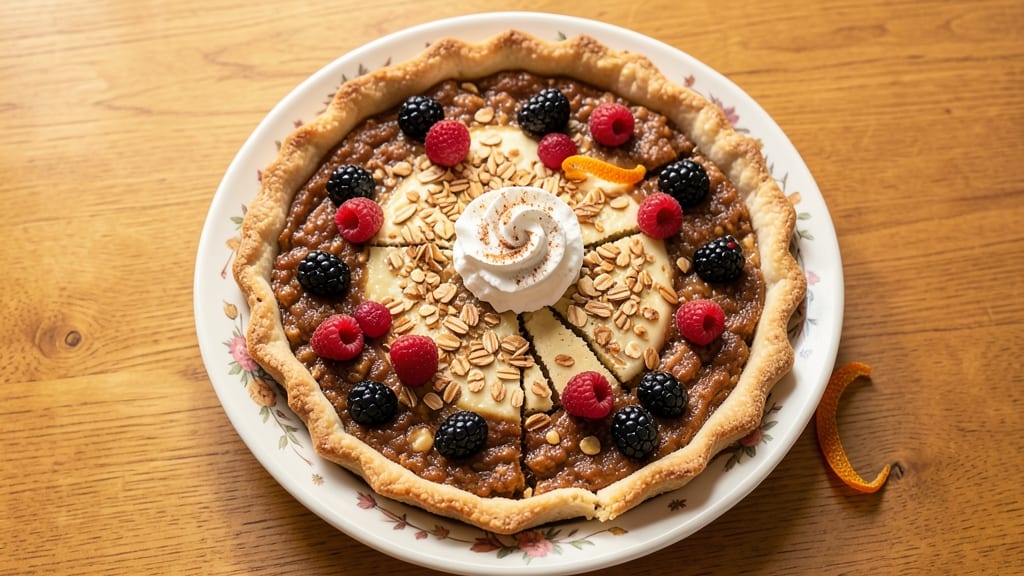
This birthday pie recipe transforms any celebration into a showstopper with its layered fruit filling and signature crunchy oat crown. The secret lies in balancing tender fruit layers with a textured, caramelized top that adds visual drama and satisfying bite.
I developed this recipe after years of baking for birthdays—it’s the one people always ask for seconds on. The oat crown isn’t just decorative; it’s a structural marvel that holds its shape while adding a delightful contrast to the soft filling beneath.
The process is simpler than it looks, with a flaky pie crust as the foundation and a fruit custard that binds layers of seasonal fruit into a cohesive, velvety center. Baking at 375°F for 45 minutes ensures the crust stays crisp while the filling sets perfectly—no soggy bottoms here.
The oat crown, made with just 1 cup rolled oats, ½ cup brown sugar, and 2 tablespoons melted butter, gets toasted to golden perfection in the final 10 minutes, creating that irresistible crunch.
What you’ll end up with is a pie that looks like it came from a bakery but tastes even better—warm fruit layers peeking through the oat crown, a custard that’s rich without being heavy, and a crust that’s sturdy enough to slice cleanly.
The aroma alone will have guests gathering before the candles are even lit. This isn’t just dessert; it’s the centerpiece of the celebration, designed to impress without requiring pastry experience.
Serve it warm with vanilla ice cream or whipped cream for the full effect, and save the leftovers for a midweek treat—though I can’t promise they’ll last that long.
The beauty of this recipe is its versatility: swap in berries, peaches, or even a chocolate custard layer to match any theme. Let’s make a pie that steals the spotlight.
Ingredients for birthday pie
Fifteen simple ingredients create a showstopping birthday pie with layered fruit and crunchy oat crown.
| Ingredient | Amount | Notes |
|---|---|---|
| All-Purpose Flour 🌾 | 2 ½ cups | For pie crust foundation |
| Unsalted Butter 🧈 | 1 cup | Cold, cubed for flaky crust |
| Granulated Sugar 🍚 | ¾ cup | Plus 2 tbsp for oat crown |
| Brown Sugar 🍚 | ½ cup | Packed for oat crown |
| Large Eggs 🥚 | 3 whole | Room temperature for custard |
| Rolled Oats 🥣 | 1 cup | Old-fashioned, not quick |
| Seasonal Fruit 🍎🍓 | 4 cups | Berries, peaches or apples |
| Heavy Cream 🥛 | 1 cup | Full-fat for richness |
| Milk 🥛 | ½ cup | Whole milk preferred |
| Cornstarch 🌾 | 2 tbsp | For custard thickening |
| Vanilla Extract 🌿 | 1 tbsp | Pure vanilla preferred |
| Salt 🧂 | ½ tsp | Kosher or sea salt |
| Ground Cinnamon 🌶️ | 1 tsp | Optional for fruit layer |
| Lemon Juice 🍋 | 1 tbsp | Freshly squeezed |
The flour and cold butter are critical for that signature flaky crust—King Arthur or Gold Medal brands work best for consistent texture. For the fruit, local farmers markets often have the freshest seasonal produce, but store-bought berries or peaches in peak condition will work too. The rolled oats should be old-fashioned, not quick oats—they create that perfect toasted crunch. I always buy organic butter for the crust, as it has a higher fat content that improves flakiness, but regular unsalted butter works fine if you're in a pinch. The vanilla extract makes a difference here—Nielsen-Massey is my go-to for a reliable, pure flavor.
No rolled oats? Crushed graham crackers or granola can substitute in a pinch, though the texture will be slightly different. Substituting the heavy cream for half-and-half will make the custard lighter, but you'll lose some richness. For the fruit layer, if you're using apples, toss them with 1 tsp lemon juice to prevent browning while prepping. The cornstarch is non-negotiable for that perfect custard consistency—it prevents a gummy texture. Want extra flavor? Add 1 tsp almond extract to the custard mixture for a sophisticated twist. The brown sugar in the oat crown caramelizes beautifully—don't skip the packed measurement, as it affects the final texture.
Store the pie crust separately in the fridge for up to 3 days, wrapped tightly in plastic. The oat crown mix can be prepped 2 days ahead and kept in an airtight container. Once assembled, the pie keeps well in the fridge for 3-4 days, though it's best enjoyed fresh. For make-ahead convenience, assemble the pie without the oat crown, bake as directed, then add the oat crown in the final 10 minutes. The leftover fruit layers make excellent breakfast toppings—just warm them with a dollop of whipped cream. Freeze any remaining pie for up to 2 months, though the oat crown may lose some crunch when thawed.
Why You'll Love This Recipe
- No-Fuss Foundation: I swear by this crust—just flour, butter, and a pinch of salt. It’s the kind of pie where the dough comes together in minutes, no chilling required, and the flaky layers happen almost by magic. (Between us, I’ve burned a few pies in my life, but this one forgives my mistakes.)
- Sweet Caramel Crunch: That brown sugar in the filling? It’s the MVP. The moment the eggs set into a golden custard with those little sugar crystals clinging to the edges—like tiny edible confetti—is pure joy. Honestly, I’ve made this pie for birthdays, holidays, and even just because it’s Tuesday.
- Double-Duty Dessert: This pie isn’t just for celebrations. I’ve served it warm for brunch with a scoop of vanilla ice cream, sliced it into squares for office potlucks, and even reheated leftovers for a lazy Sunday breakfast. The crust holds up like a champ, and the filling stays rich no matter how you cut it.
- Pantry Staple Magic: You’re already using ingredients you own. Butter, sugar, flour, eggs—no fancy imports or last-minute grocery runs. And the best part? A single pie feeds six, so half goes into the freezer for when you’re too tired to bake. (Yes, even on a Tuesday night.)
Step-by-step instructions for birthday pie recipe
This method builds a layered dessert with a flaky crust, rich custard, and a crunchy oat topping—perfect for celebrations.
Prepare the Flaky Pie Crust
In a large bowl, combine the 2.5 cups all-purpose flour and 0.5 teaspoon salt. Cut in the 1 cup cold, cubed unsalted butter using a pastry cutter or your fingers until the mixture resembles coarse crumbs with pea-sized butter pieces. This texture is crucial for flaky layers.
Gradually add 0.5 cup ice water, 1 tablespoon at a time, mixing just until the dough comes together. Avoid overworking—handle only enough to form a smooth ball. Wrap tightly in plastic and refrigerate for at least 1 hour (or up to 2 days). Chilling relaxes the gluten for easier rolling and prevents shrinking.
Assemble the Fruit Layer
Preheat your oven to 375°F. Roll out the chilled dough on a floured surface to fit a 9-inch pie dish, about 1/8-inch thick. Transfer to the dish, trim excess, and crimp the edges. Prick the bottom with a fork to prevent bubbling.
In a bowl, toss the 4 cups seasonal fruit with 1 tablespoon lemon juice and 1 teaspoon ground cinnamon (if using). Arrange the fruit in an even layer over the crust, leaving a 1/2-inch border. Pour 2 tablespoons granulated sugar evenly over the fruit to caramelize during baking.
Prepare the Custard Filling
In a medium saucepan, whisk together the 3 whole large eggs, 1 cup heavy cream, 0.5 cup milk, 0.75 cup granulated sugar, 2 tablespoons cornstarch, 1 tablespoon vanilla extract, and 0.5 teaspoon salt. Cook over medium heat, stirring constantly, until the mixture thickens to 170°F—about 5-7 minutes. It should coat the back of a spoon smoothly.
Immediately pour the hot custard over the fruit in the pie dish. Return to the oven and bake for 25-30 minutes, until the custard is set but still slightly jiggly in the center. The edges should be golden brown, and the filling should pull away from the sides when gently shaken.
Create the Crunchy Oat Crown
While the pie bakes, prepare the oat topping. In a bowl, mix the 1 cup rolled oats, 0.5 cup brown sugar, and 2 tablespoons granulated sugar. Drizzle with 2 tablespoons melted unsalted butter and toss until evenly coated. Spread the mixture evenly over the custard layer.
Return the pie to the oven and bake for an additional 8-10 minutes, until the oat topping is golden brown and crisp. Watch closely—it burns quickly. Let the pie cool completely on a wire rack before slicing, as the custard will continue to set as it cools.
Serve with Confidence
Slice the pie into 8 equal wedges using a sharp knife dipped in hot water and wiped clean between cuts. Serve at room temperature, allowing guests to admire the layered beauty of the fruit, custard, and crunchy oat crown. The contrast of textures and flavors makes this pie a showstopper for any celebration.
Pro Tips For Making Birthday Pie
- CHILL THE BUTTER FIRST: Cold butter creates flaky layers—no one wants a tough crust. Cut the unsalted butter into cubes and pop them in the freezer for 15 minutes before mixing with flour. I learned this the hard way when my crust turned out greasy and dense after skipping this step.
- WEIGH YOUR FLOUR: Scooping flour from the bag packs in too much air, making your crust dry. Use a kitchen scale for precise measurements—1 cup of all-purpose flour is actually about 120 grams. This small habit guarantees a lighter, more tender texture.
- DON’T OVERMIX THE FILLING: Stir the brown sugar, granulated sugar, and eggs just until combined—lumps are fine. Overworking the filling introduces too much air, which can cause cracks or a dense center. My grandmother swore by this, and she was right: the filling stays rich and smooth.
- BAKE UNTIL 190°F: The pie’s done when the center hits 190°F, not when it looks set. Underbaked fillings stay gummy, and overbaked ones dry out. A thermometer takes the guesswork out—no more cutting into a sad, undercooked center (yes, even if you’re impatient like me).
Troubleshooting this recipe
Crust Too Soggy
If your crust looks soggy after baking, it’s usually from steam trapped during baking. The fix? Blind-bake the crust for 10 minutes before adding fruit. Cover with parchment paper, fill with pie weights or dried beans, and bake at 375°F.
This pre-baking step creates a sturdy base that won’t absorb custard moisture. I’ve never had a soggy crust since I started this trick—it’s a game-changer! 🌡️
Fruit Not Holding Shape
Delicate fruits like berries or peaches can turn mushy if overcooked. Toss them with 1 extra tablespoon cornstarch before baking to help them hold their shape. For softer fruits like peaches, arrange them cut-side down so they caramelize without collapsing.
If using apples, pre-cook them for 5 minutes in a skillet with 1 tablespoon sugar to firm them up.
Custard Too Thin
A runny custard usually means the cornstarch didn’t thicken properly. Next time, whisk the cornstarch with 2 tablespoons cold milk first to create a slurry—this prevents clumping. Cook the custard over medium-low heat and stir constantly until it reaches 170°F.
If it’s still too thin after baking, chill the pie uncovered for 2 hours to let the custard set further.
Oat Crown Not Crispy
The oat crown needs precise timing to get that perfect crunch. Spread it evenly over the custard and bake for exactly 8-10 minutes—no longer! If it’s not crispy, try toasting the oats in a dry skillet for 2 minutes before mixing with butter and sugar.
For extra crunch, sprinkle with 1 tablespoon flaked sea salt after baking while still hot.
Pie Filling Too Sweet
Adjust the sugar in the custard first—reduce it by 2 tablespoons and taste as you cook. The fruit itself may need balancing too. If using berries, toss them with 1 teaspoon lemon zest to brighten flavors.
For peaches or apples, add ½ teaspoon ground cardamom to the custard for a sophisticated twist that cuts sweetness naturally.
Cracks in the Oat Crown
Uneven spreading causes cracks in the oat crown. Press the mixture firmly into an even layer using the back of a spoon. For extra stability, chill the pie for 15 minutes after adding the custard but before topping with oats.
This helps the custard firm up slightly, creating a smoother surface for the crown. A thin layer of oats (about ¼ inch thick) also prevents cracking better than a thick layer.
Nutrition facts
Frequently asked questions
Can I make this birthday pie ahead of time?
Assemble the pie without the oat crown up to 24 hours ahead, then refrigerate uncovered. Add the oat topping and bake for 10-12 minutes at 375°F before serving. The crust stays crisp, and the custard sets beautifully. For a truly make-ahead option, blind-bake the crust and store it separately for up to 3 days—just add the fruit and custard fresh.
What’s the best fruit to use for this recipe?
Seasonal fruit works best! For summer birthdays, try peaches, berries, or cherries. In fall, apples or pears add wonderful depth. If using delicate fruits like strawberries, toss them with 1 extra tablespoon cornstarch to prevent mushiness. For a twist, layer caramelized pineapple with a splash of rum in the custard.
Why does the oat crown need to bake separately?
The oat crown requires precise timing to achieve that perfect crunch. Baking it separately ensures it doesn’t absorb moisture from the custard too soon, which would make it soggy. The final 8-10 minutes at high heat caramelizes the sugars for that signature toasted flavor. Think of it like a topping—it needs to stay crisp on top of the soft layers below.
Can I make this pie gluten-free?
Yes, but with adjustments. Replace the all-purpose flour with a 1:1 gluten-free baking flour blend (like Bob’s Red Mill) for the crust. For the oat crown, use certified gluten-free rolled oats. The custard remains unchanged. Note that gluten-free crusts may be slightly denser—chill the dough longer (2 hours) to improve texture.
How do I prevent the custard from curdling?
Curdling happens when the custard overheats. Always cook over medium-low heat and stir constantly with a silicone spatula. Remove from heat as soon as it reaches 170°F. For extra insurance, whisk the eggs and sugar together first to emulsify before adding the hot cream. If you see small lumps, strain the custard through a fine-mesh sieve before pouring into the pie.