Desserts
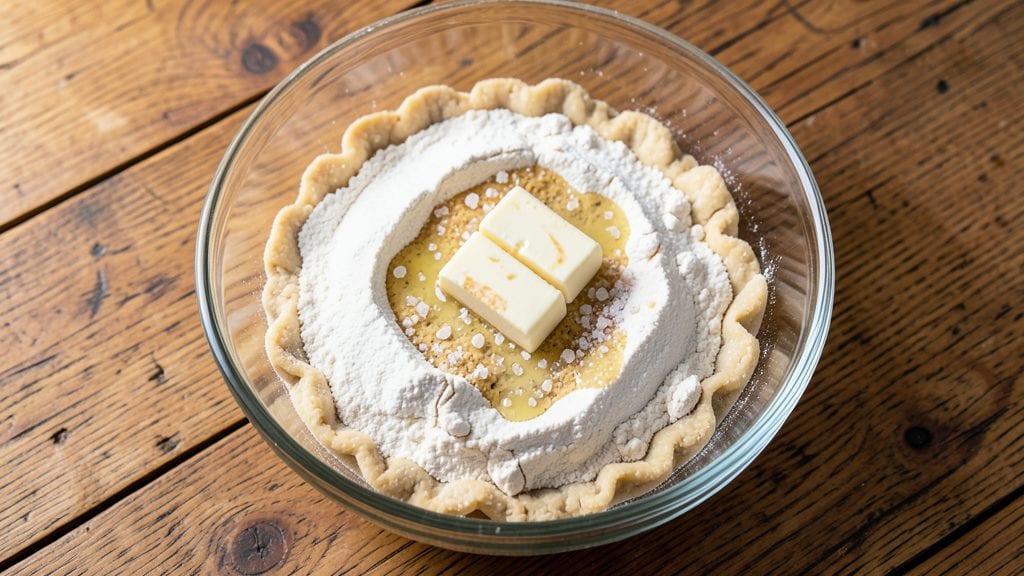
This old-fashioned pie crust recipe with vinegar delivers the kind of flaky, golden perfection my Nonna swore by—where every layer separates like silk and holds its shape through even the longest baking.
Standing on a step stool in her kitchen in Sicily, I learned how vinegar tenderizes the dough while keeping it sturdy enough to hold any filling without shrinking. The secret lies in precise technique and patience, but the results are worth every minute.
The vinegar in this recipe isn’t just for flavor—it’s the foundation of that signature tender crumb. Cold butter gets cut into flour until it resembles coarse meal, then vinegar and ice water bring it together without overworking the dough.
This method ensures flaky layers that stay crisp at the edges while remaining tender inside, no matter what you fill it with. It’s the kind of crust that makes even fruit pies taste like a bakery secret.
What makes this crust truly special is its versatility—equally at home with classic apple pie, rich pumpkin, or even savory options like chicken pot pie. The vinegar’s tang balances sweet fillings beautifully, while the buttery richness ensures every bite is perfectly golden and satisfying.
Once you try this, store-bought crusts will never measure up again.
Ready in just 30 minutes of prep (plus chilling time), this crust is simpler than it seems but delivers restaurant-quality results every time. The key is keeping everything cold and handling the dough gently. Let’s get started—your pies will never be the same.
Ingredients for old fashioned pie crust recipe with vinegar
Flour, butter, vinegar, and patience—these simple staples create the perfect pie crust every time.
| Ingredient | Amount | Notes |
|---|---|---|
| All-Purpose Flour 🌾 | 2 ½ cups | Sifted for light texture |
| Unsalted Butter 🧈 | 1 cup | Cold, cubed, high-fat preferred |
| White Vinegar 🍶 | 2 tbsp | Distilled, not apple cider |
| Ice Water 💧 | ½ cup | Chilled, not cold tap |
| Diamond Crystal Salt 🧂 | 1 tsp | Fine grain preferred |
| Granulated Sugar 🍚 | 1 tbsp | For tenderizing flour |
| Parchment Paper 📄 | 1 sheet | For rolling and baking |
The butter is non-negotiable here—European-style butter with 82% fat gives the best flakiness, but Land O'Lakes or Plugrá work fine too. Grab it from the deli counter if you can, as it stays colder longer. The vinegar? White vinegar is traditional, but apple cider vinegar works if that's what you've got. Just make sure it's not ancient—smell it first. The flour should be all-purpose, not self-rising—that extra leavening throws off the texture. I always sift mine right into the bowl to avoid lumps, and keep everything ice cold until the dough comes together.
No ice water? Cold water from the fridge works in a pinch, but don't use warm—it'll melt the butter too fast. Short on vinegar? Lemon juice at half the amount gives a slightly different tang, but still tenderizes the dough. The sugar might seem odd, but it helps the flour absorb moisture better. Brown sugar works too, but white gives a cleaner taste. If you're making a savory pie, skip the sugar entirely. The salt is key—Diamond Crystal dissolves better than table salt, but kosher works too. Just measure carefully; too much makes the crust tough.
This dough needs to rest—at least 1 hour in the fridge, but overnight is better. Wrap it tightly in plastic and flatten it into a disk before chilling to prevent cracking. It'll keep in the fridge for 3 days or frozen for 3 months. I always roll it out on parchment paper—saves cleanup and prevents sticking. For extra flakiness, brush the baked crust with a little melted butter before adding filling.
Why You'll Love This Recipe
- No-Fuss Mixing: I swear by the vinegar trick—just toss cold butter into flour, add ice water and vinegar, then pulse. No rolling, no stress, no waiting for dough to rest. The vinegar cuts through butter faster than I can say "pie night."
- Crispy Yet Tender: That vinegar secret? It keeps the crust flaky without overworking the dough. You get a golden, shatteringly crisp rim with a melt-in-your-mouth center—exactly how I remember my grandma’s pies tasted.
- Double-Duty Dough: Make a double batch and freeze half. Need a last-minute pot pie? Done. Craving hand pies for a picnic? Done. The vinegar makes it stable enough to handle without cracking, even when I’m not feeling patient.
- Pocketbook-Friendly Luxury: Butter and flour are staples, and vinegar? A dollar at the store. This crust costs next to nothing but feels like a restaurant-worthy treat. Honestly, it’s the kind of recipe that makes me question why I ever paid for pre-made dough.
Step-by-step instructions for old fashioned pie crust
Here's how to make a classic vinegar crust that stays flaky through every bite.
Cut in the Cold Butter to the Flour Mixture
Start by sifting the 2.5 cups all-purpose flour into a large bowl. I like to use a fine-mesh sieve for a light, airy texture. Add the 1 tablespoon granulated sugar and 1 teaspoon diamond crystal salt, then whisk to combine. Cut in the 1 cup cold, cubed unsalted butter using a pastry cutter or two forks. Work quickly but steadily until the mixture resembles coarse crumbs with pea-sized butter pieces—this ensures maximum flakiness.
Don't rush this step. If the butter melts too soon, you'll end up with a tough crust. The goal is to coat each flour particle with butter fat, which creates those signature flaky layers when baked. Press the mixture between your fingers to check—it should hold together but still feel slightly crumbly.
Add Vinegar and Ice Water for Perfect Binding
In a small bowl, mix the 2 tablespoons white vinegar with the 0.5 cup ice water. The vinegar reacts with the flour to create a tender, slightly tangy crust that holds up better than plain water would. Slowly sprinkle this liquid mixture over the flour-butter combination while stirring gently with a fork. Add just enough to bring the dough together when pressed—you might not need all of it, but don't skimp on the vinegar.
Stop mixing as soon as the dough forms a shaggy mass that holds when pressed. Overworking it now will develop gluten and make the crust tough. If the dough feels too dry, add 1 teaspoon at a time of the ice water mixture until it just comes together. The dough should be cool to the touch—warm dough spreads too much in the oven.
Shape and Chill for Maximum Flakiness
Turn the dough out onto a lightly floured surface and divide it into two equal pieces. Gently shape each piece into a disk about 1 inch thick. Wrap each disk tightly in plastic wrap and refrigerate for at least 1 hour (I prefer 2 hours). Chilling relaxes the gluten and firms up the butter, which is crucial for preventing shrinking during baking. The longer it chills, the better the results.
Here's the thing—don't skip this chilling step. I've made this crust without it, and while it still works, the layers won't be as distinct. The cold butter needs time to set properly so it can create those beautiful flakes when the steam hits it in the oven. Pro tip: Place the dough between two sheets of parchment paper before wrapping to prevent sticking.
Roll and Transfer to the Pan
On a lightly floured surface, roll one disk of dough into a 12-inch circle about ⅛ inch thick. I use a rolling pin and keep rotating the dough to maintain even thickness. If it starts to stick, just lift it and re-flour the surface. Gently fold the crust in half and unfold it to check for cracks—this helps prevent shrinking when it goes into the pan.
Carefully transfer the rolled crust to a 9-inch pie dish by sliding it onto the parchment paper, then lifting both together. Unfold the crust and press it gently into the bottom and up the sides of the dish. Trim any excess dough hanging over the edge with kitchen shears. Repeat with the second disk for a double-crust pie or save it for a lattice top.
Blind-Bake for Perfect Results
Preheat your oven to 375°F. For a double-crust pie, crimp the edges with your fingers or a fork to seal. Cut several slits in the bottom crust to allow steam to escape. Line the crust with the 1 sheet parchment paper, then fill it with pie weights or dried beans. Bake for 15 minutes to pre-cook the bottom crust.
Remove the weights and parchment, then bake for another 5-7 minutes until the crust is golden brown and set. This blind-baking step prevents a soggy bottom when you add your filling later. For a single crust, you can skip the weights and just bake until golden. The crust should hold its shape without puffing up too much—this indicates proper chilling and handling.
Pro Tips For Making Old Fashioned Pie Crust Recipe With Vinegar
- Chill the Butter First: That cold butter isn’t just for show—cut it into ¼-inch cubes and freeze them for 10 minutes before mixing. I learned this the hard way when my crust turned out greasy and mealy; cold butter creates flaky layers while warm butter just melts into a sad, dense mess.
- Use Ice Water Sparingly: The vinegar in this recipe already helps bind the dough, so don’t drown it. Add ice water 1 tablespoon at a time until the dough just holds together when pressed—any more and you’ll end up with a gummy, tough crust. (Yes, even if you’re impatient like me.)
- Work Fast After Mixing: Once you add the vinegar and water, the dough starts to toughen quickly. Roll it out immediately on a lightly floured surface, and keep the unused portion wrapped in plastic—don’t let it sit in the bowl. Waiting even 10 minutes makes the dough harder to handle.
- Skip the Over-Rolling: This isn’t pie dough for a delicate tart—it’s meant to be sturdy. Roll it just until it’s about ⅛-inch thick, no thinner. Overworking it heats up the gluten and turns the crust into a chewy, flavorless slab. (Your future self will thank you.)
Wine and beer pairings for this recipe
Sweet Wine Pairings
For fruit pies like apple or berry, a crisp Sauternes from Bordeaux is my go-to—its honeyed sweetness and citrus notes complement the vinegar's tang beautifully. The acidity in the crust balances the wine's richness, creating a perfect harmony.
I also love Moscato d'Asti from Italy, especially with lighter fruit fillings like peach or pear. 🍷
Dry Wine Contrasts
If you prefer dry wines, a Chardonnay with subtle oak (like one from California or Burgundy) works wonders with savory pies like chicken pot pie. The wine's buttery notes mirror the crust's richness, while its acidity cuts through the filling.
For a bold contrast, try a Pinot Noir—its red fruit flavors pair surprisingly well with the vinegar's sharpness.
Beer Pairings
A Belgian witbier with its coriander and citrus notes is my favorite beer match—it refreshes the palate after each bite of the buttery crust. For a malty option, amber ale (like Fat Tire) balances the vinegar's tang while complementing the crust's sweetness.
Avoid heavy stouts or IPAs, which can overpower the delicate flavors. 🍺
Cider Synergy
Don't overlook dry hard cider—its slight tartness mirrors the vinegar in the crust while adding a crisp finish. I recommend Angry Orchard Dry or a local craft cider with apple or pear notes. The cider's acidity enhances the crust's flakiness, making every bite feel fresh and balanced.
After-Dinner Digestifs
Finish with a limoncello or amaretto to cleanse the palate after a rich pie. The citrus in limoncello echoes the vinegar's tang, while amaretto's almond notes add a sophisticated finish. Serve chilled for a refreshing contrast to the warm crust. 💫
Nutrition facts
Frequently asked questions
Why does this recipe use vinegar instead of water?
The vinegar creates a tender, slightly tangy crust that holds its shape better than plain water. It also helps tenderize the flour while balancing sweet fillings beautifully. This traditional technique prevents the crust from becoming tough and ensures those signature flaky layers.
Can I substitute vinegar with lemon juice?
Yes, but use only 1 tablespoon lemon juice instead of 2 tablespoons vinegar. The flavor will be slightly different—more citrus-forward—but it still tenderizes the dough. For a neutral taste, stick with white vinegar.
How do I fix a cracked or shrinking crust?
Gently press the cracks together with your fingers or patch them with extra dough scraps. To prevent shrinking, always chill the dough thoroughly and roll it evenly. Fold the crust in half before transferring to the pie dish—this helps maintain its shape.
Can I make this crust ahead of time?
Shape the dough into disks, wrap tightly, and refrigerate for up to 3 days or freeze for 3 months. Thaw in the fridge overnight before rolling. Pre-chilled dough is easier to handle and bakes more evenly.
What’s the best filling for this crust?
This versatile crust works with anything! Try classic apple or peach pie for sweetness, or savory options like chicken pot pie. The vinegar’s tang balances rich fillings perfectly. For extra flakiness, brush the baked crust with melted butter before adding filling.