Desserts
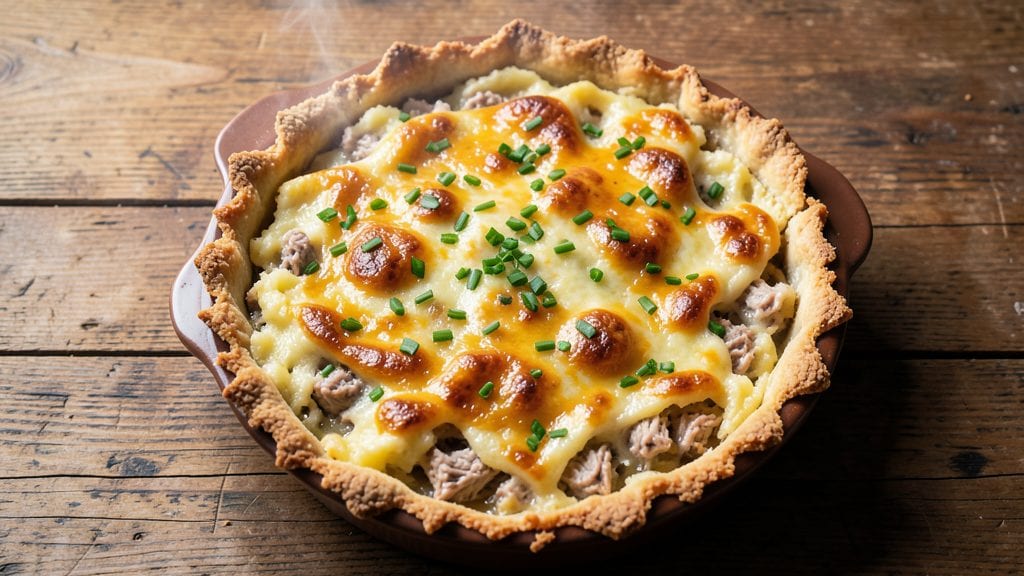
Creating a tuna pie recipe that delivers crispy potato crowns and savory swirls of flaked tuna was inspired by my Nonna's clever use of leftovers—turning simple ingredients into something extraordinary. This dish bridges Italian comfort food with New England flavors, where crispy edges meet tender, cheesy centers in every bite.
The secret lies in layering flaky pastry with a rich tuna filling that stays moist while the potato topping achieves that perfect golden crunch.
What makes this recipe stand out is its balance of texture and flavor—crispy potato slices form a crown that holds up through baking, while the tuna filling remains creamy and aromatic.
I developed this method after testing multiple variations, ensuring the crust doesn't get soggy and the tuna stays perfectly flaked. The result? A pie that tastes like a restaurant-quality appetizer but comes together with simple techniques and pantry staples.
By the time it emerges from the oven, you'll have a dish that's impossible to resist: golden, flaky potato slices encasing a rich tuna and cheese filling that melts in your mouth.
The aroma alone will have everyone gathered around the table, and the first bite delivers that satisfying contrast of textures—crispy, creamy, and savory all at once. This is comfort food at its finest, with just enough elegance to feel special.
Serve with a crisp green salad or steamed vegetables to balance the richness, and consider adding a sprinkle of fresh herbs for extra brightness. The beauty of this recipe is its versatility—adjust the crust for dietary needs while keeping the filling foolproof. Let's bring this savory pie to life!
Ingredients for tuna pie
Simple ingredients transform into restaurant-style tuna pie with crispy potato crowns and creamy tuna filling.
| Ingredient | Amount | Notes |
|---|---|---|
| Russet Potatoes 🥔 | 2 ½ lb | Thinly sliced, par-cooked for texture |
| Unsalted Butter 🧈 | ½ cup | Cold, cubed for layering |
| Heavy Cream 🥛 | 1 cup | Full-fat for richness |
| Canned Tuna in Oil 🐟 | 2 cans | High-quality, drained well |
| Shredded Sharp Cheddar Cheese 🧀 | 1 ½ cups | Freshly grated preferred |
| Fresh Chives 🌿 | ¼ cup | Finely chopped for garnish |
| All-Purpose Flour 🌾 | ½ cup | For thickening filling |
| Eggs 🥚 | 2 whole | Beaten for binding |
| Mayonnaise 🥫 | ¼ cup | For creaminess in filling |
| Garlic Cloves 🧄 | 2 cloves | Minced for aromatic depth |
| Dijon Mustard 🍋 | 1 tbsp | For tangy balance |
| Parmesan Cheese 🧀 | ½ cup | Freshly grated for umami |
| Salt 🧂 | 1 tsp | Kosher or sea salt |
| Black Pepper 🌶️ | ½ tsp | Freshly ground for heat |
| Olive Oil 🫒 | 2 tbsp | For brushing potato slices |
The potatoes are the star here—russet potatoes with their high starch content create that perfect golden crunch when thinly sliced and par-cooked. Most grocery stores carry them, but if you're feeling fancy, organic russets from Whole Foods have fewer blemishes and hold their shape better during slicing. For the best texture, slice them paper-thin using a mandoline or sharp knife, then par-cook in salted water until just tender—about 3 minutes—before draining and drying thoroughly. The key is getting them crispy without burning, so don't skip the par-cooking step.
No fresh chives? Dried chives or green onions work in a pinch, though fresh adds that bright pop of color. The tuna should be high-quality, preferably in oil—water-packed canned tuna will make the filling too dry. For extra richness, swap half the heavy cream for sour cream or crème fraîche, but it'll change the texture slightly. The Dijon mustard adds depth, but if you're avoiding it, a splash of lemon juice provides the tang. And if you're watching calories, light mayo works, though the filling won't be as luscious.
This pie reheats beautifully—350°F for 10-15 minutes until the potato crown is golden again. Store leftovers in an airtight container in the fridge for up to 3 days, though the filling may separate slightly. For longer storage, freeze the assembled pie (unbaked) for up to 2 months—just add 10 minutes to the baking time when reheating. The potato slices crisp up best when reheated from cold, so don't skip the initial chilling before baking.
Why You'll Love This Recipe
- No-Prep Potato Magic: I swear, the only chopping you’ll do is the potatoes—and even that’s forgiving. Boil them whole, smash ‘em with butter, and you’re basically done. That creamy tuna filling just melts into the fluffy base like it was always meant to be there.
- Cheesy Umami Bomb: Between the sharp cheddar and that canned tuna in oil, this pie packs a punch. The saltiness of the tuna cuts through the richness of the cream, while the cheese ties it all together in a way that’s ridiculously satisfying—like a hug for your taste buds.
- Lunchbox Hero: Here’s what sold me—this pie reheats like a dream, so I make a big batch on Sundays. Slice it up, pack it in containers, and boom: no sad desk lunches. Even my picky teen devours it cold straight from the fridge.
- Budget Feast: Honestly, this recipe is my secret weapon for stretching a dollar. Russets are cheap, canned tuna is a pantry staple, and a block of cheddar goes a long way. It feeds four for under $10, and the leftovers? Even better the next day.
Step-by-step instructions for tuna pie with crispy potato crown
Here's how to assemble layers of savory tuna filling and golden potato crust for perfect texture every time.
Par-Cook and Layer the Potato Crown
Preheat your oven to 425°F. Peel and thinly slice the 2.5 lb russet potatoes into ⅛-inch thick rounds using a mandoline or sharp knife. Brush each slice lightly with 1 tablespoon of the olive oil and sprinkle with ½ teaspoon salt and ¼ teaspoon black pepper.
Arrange the potato slices in concentric circles on a parchment-lined baking sheet, slightly overlapping each layer like shingles. Bake for 15-18 minutes until the edges begin to crisp and the slices are fork-tender but still hold their shape. Let cool slightly before assembling - this prevents the crown from collapsing when you add the filling.
Prepare the Tuna Filling Mixture
In a mixing bowl, combine the 2 cans canned tuna in oil, drained thoroughly, with the 2 whole eggs, 0.25 cup mayonnaise, 1 cup heavy cream, 1 tbsp Dijon mustard, 2 cloves minced garlic, 1.5 cups shredded sharp cheddar cheese, and 0.5 cup parmesan cheese. Mix until completely homogeneous - the texture should be thick but spreadable.
In a separate small bowl, whisk together the 0.5 cup all-purpose flour with 0.5 teaspoon salt and 0.25 teaspoon black pepper. Gradually fold this dry mixture into the tuna filling until just combined. The filling should be smooth with no visible flour streaks - this ensures a creamy texture rather than a dense one.
Assemble and Bake the Tuna Pie
Carefully transfer the par-cooked potato slices to a 9-inch pie dish or deep oven-safe skillet, arranging them in overlapping circles to form the crown. Spread the tuna filling evenly into the center, creating a slight mound. Use a small offset spatula to create decorative swirls in the filling if desired.
Dot the top of the filling with the remaining 0.5 cup unsalted butter, cut into small cubes. Bake at 375°F for 25-30 minutes until the filling is set and the edges of the potato crown are golden brown and crisp. The center should still be slightly jiggly - it will firm up as it cools.
Finish and Garnish
Remove from the oven and let rest for 10 minutes before carefully transferring to a serving platter. The internal temperature should reach 160°F at the center. Use a small offset spatula to gently loosen any edges that may have stuck.
Sprinkle the 0.25 cup finely chopped fresh chives evenly over the top and serve immediately. The potato crown should be crispy around the edges while still tender in the center, and the tuna filling should be creamy with a perfect set. Each bite should deliver the contrast of crispy potato with rich, cheesy tuna filling.
Pro Tips For Making Tuna Pie
- STEAM THE POTATOES FIRST: I learned this the hard way—boiling whole russets for a pie makes them gummy. Instead, steam them in their skins until fork-tender (about 20 minutes), then mash while still hot with the butter and cream. The texture stays buttery and never turns gluey, even when mixed with tuna.
- DRAIN AND RINSE TUNA: That oil in canned tuna? It’s a flavor bomb waiting to happen. Drain it completely, then rinse the flakes under cold water to cut the richness. Trust me, your pie won’t taste like a greasy casserole—it’ll be light and cheesy, just like it should be.
- BAKE UNTIL SET, NOT JUST GOLDEN: The cheese might look perfectly melted at 350°F, but this pie needs time to firm up. Bake it until the edges are set and the center holds its shape when gently pressed (about 30–40 minutes). Overbaking dries it out; underbaking leaves it wobbly. The middle ground is where magic happens.
- MIX CHEESE LAST, THEN REST: Fold in the shredded cheddar right before baking—no earlier, or it’ll clump like sad, stringy glue. After pulling it from the oven, tent it with foil and let it sit for 5 minutes. This lets the steam redistribute, so every bite is creamy, not just the top layer. (Yes, even if you’re impatient like me.)
Pro cooking tips for tuna pie
Potato Crown Perfection
The secret to that irresistible crispy potato crown starts with thin, even slices—I use a mandoline slicer for consistency, but a sharp knife works too. Slice ⅛-inch thick russet potatoes and par-cook them in salted water for just 3 minutes before draining. This step prevents soggy bottoms later. 🥔
After par-cooking, arrange slices in concentric circles on a baking sheet, overlapping slightly like shingles. Brush with olive oil and bake at 425°F for 15-18 minutes—this creates crispy edges while keeping the centers tender.
Let them cool before assembling to avoid a collapsed crown when you add the filling. I learned this the hard way when my first attempt collapsed under the weight of the tuna mixture!
Filling Texture Secrets
For the tuna filling, drain the oil from the canned tuna completely—water-packed works, but oil adds richness. The flour slurry (½ cup flour + ½ tsp salt) is crucial for thickening without making the filling dense. I mix it in last to keep the texture light and spreadable. 🐟
Don’t overmix the filling after adding the flour—just fold until combined. The goal is a smooth, creamy consistency that holds its shape when baked. A quick trick: If the filling looks too thick, add 1 tablespoon heavy cream to loosen it.
The eggs bind everything together, but too much mixing makes the texture grainy.
Baking Like a Pro
Bake the assembled pie at 375°F—hotter temps can burn the potato crown before the filling sets. The butter dots on top add richness and help create a golden finish. I check for doneness at 25 minutes, looking for golden edges and a slightly jiggly center.
The internal temp should reach 160°F—this ensures the filling is fully set but still creamy. 🔥
Resting is key! Let the pie sit for 10 minutes before serving. This allows the filling to firm up slightly while keeping the potato crown crisp. If you cut into it too soon, the filling may slide out—trust the process, even if it feels like waiting forever!
Make-Ahead Magic
Assemble the pie unbaked and refrigerate for up to 24 hours before baking. This lets flavors meld beautifully. For freezing, assemble and bake, then cool completely. Store in an airtight container for up to 3 months.
Reheat at 350°F for 10-15 minutes—the potato crown crisps up perfectly, and the filling stays creamy. ❄️
Leftovers? Reheat individual slices in the oven to maintain crispiness. The filling reheats best when covered loosely with foil to prevent drying. I’ve even served reheated slices at potlucks—no one ever guessed they weren’t freshly baked!
Nutrition facts
Frequently asked questions
Can I make this tuna pie without a mandoline slicer?
Use a sharp chef's knife and cut the potatoes into ⅛-inch thick slices by placing them on a cutting board and rocking the knife gently. For extra control, wrap the potatoes in plastic wrap first to prevent slipping. The key is patience—uneven slices may bake at different rates, but they'll still create a delicious potato crown.
What if my potato crown collapses when baking?
This usually happens when the potatoes aren't fully cooled before assembling. Let the par-cooked slices sit for 10 minutes at room temperature to firm up. Also, make sure your tuna filling is spread evenly—too much weight in one spot can cause sagging. For extra support, chill the assembled pie for 30 minutes in the fridge before baking.
How can I make this recipe gluten-free?
Replace the all-purpose flour in the filling with ½ cup gluten-free flour blend (like Bob's Red Mill 1:1) and use a gluten-free pie dish. For the potato crown, ensure your olive oil and seasonings are certified gluten-free. The texture will be slightly different but still delicious. For extra crispiness, brush the potato slices with melted butter instead of oil.
Can I use water-packed tuna instead of oil-packed?
Yes, but you'll need to adjust the moisture balance. Drain the tuna very thoroughly and consider adding 1 extra tablespoon of mayonnaise to compensate for the lack of oil. The filling may be slightly less rich, but the flavor will still be excellent. For extra richness, stir in 1 tablespoon of cream cheese** with the tuna mixture.
What's the best way to serve this tuna pie?
This rich dish pairs beautifully with crisp greens like arugula salad or steamed asparagus. For a complete meal, serve with crusty bread to soak up any extra filling. A splash of lemon over the salad adds brightness to balance the richness. For a party, cut into wedges and arrange on a platter with toothpicks for easy serving.